BLOs do the heavy lifting; group hearings to be conducted locality wise
Source Entity
India Latest News: Top National Headlines Today & Breaking News | The Hindu
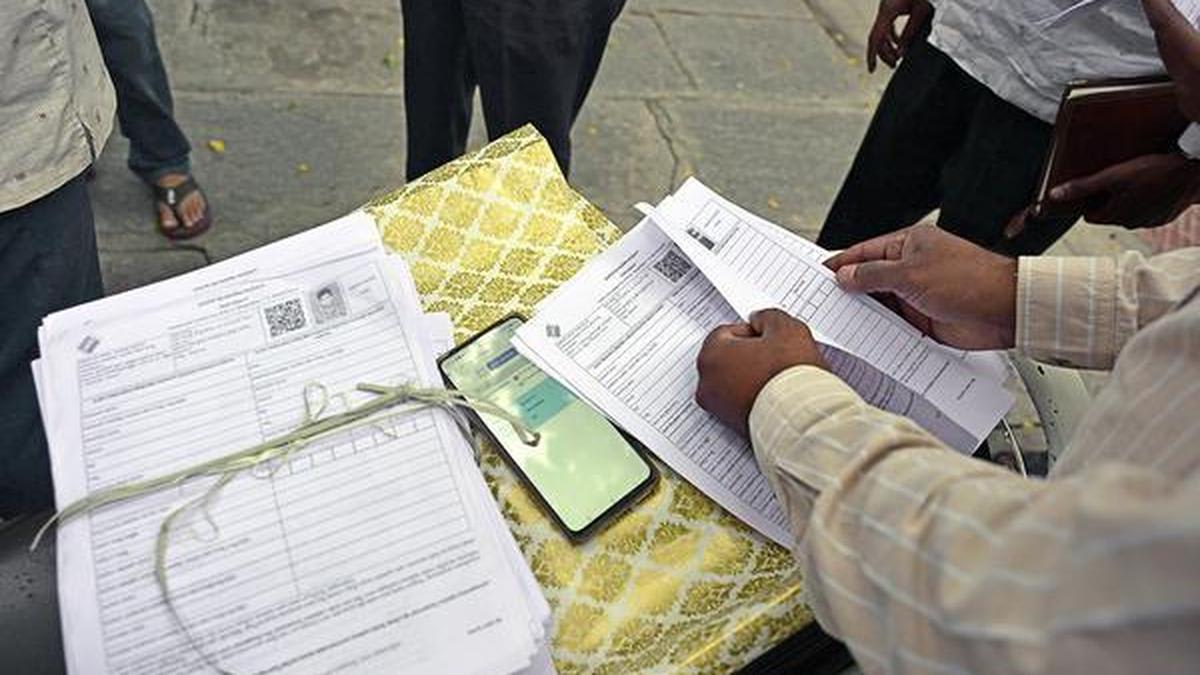
Booth-level officers in Hayathnagar are streamlining voter verification by holding centralized locality-wise hearings. This shift from door-to-door visits to community-based sessions aims to manage the administrative burden of processing electoral notices and forms efficiently.
The Evolving Role of Booth-Level Officers in Electoral Administration
In the heart of Hayathnagar, the administrative machinery of the electoral process is undergoing a practical shift. Booth-level officers (BLOs), the primary link between the Election Commission and the citizenry, are increasingly moving away from the traditional model of door-to-door delivery. Instead, they are adopting a localized, community-hall-based approach to conduct hearings and distribute notices. This transition reflects a necessary adaptation to the sheer volume of paperwork and the logistical constraints faced by frontline election staff during voter verification cycles.
Administrative Challenges and Logistical Realities
The shift to locality-wise hearings is fundamentally a response to the heavy workload placed on BLOs. As indicated by the scene in Hayathnagar, where officers manage bundles of documents spanning a three-to-four-kilometer radius, the manual labor involved in updating electoral rolls is immense. By centralizing operations at a community hall, BLOs can process multiple electors simultaneously rather than traversing vast distances to deliver individual notices. This method allows for a more controlled environment where officers can verify Electoral Photo Identity Cards (EPIC) and Enumeration Forms in one sitting.
Impact on Citizen Engagement
For the elector, this new model requires a proactive approach. Instead of waiting for a knock on the door, citizens are now being summoned to collection points to receive formal notices. While this may cause minor inconvenience to those expecting doorstep delivery, it significantly increases the transparency of the process. When an elector sits down with a BLO to review their documents, it reduces the margin for clerical error and ensures that the information provided in the Enumeration Forms is validated in real-time, directly in front of the applicant.
Broader Implications for Electoral Integrity
The rigorous verification process performed by BLOs serves as the bedrock of a healthy democracy. By meticulously checking the credentials of electors and cross-referencing them against existing databases, these officers prevent anomalies in the voter list. The transition to locality-based hearings ensures that even as the scale of urban electorates grows, the personal verification of data remains a priority. This structured approach helps in maintaining the sanctity of the electoral roll, which is the first step in ensuring free and fair elections.
Future Trends in Election Management
As election management bodies continue to digitize, we can expect a hybrid model to emerge. While the physical presence of BLOs remains essential for verification, the future likely involves more integrated digital tracking of these notices. However, as evidenced by the current situation in Hayathnagar, the human element—the BLO sitting with bundles of paper—remains the most reliable, albeit labor-intensive, method for ensuring that every eligible voter is correctly registered. The move toward localized hearings is a pragmatic solution that balances administrative efficiency with the need for accurate electoral records.
Verification Required?