Blue Origin is going all in on the New Glenn rocket
Source Entity
Eric Berger
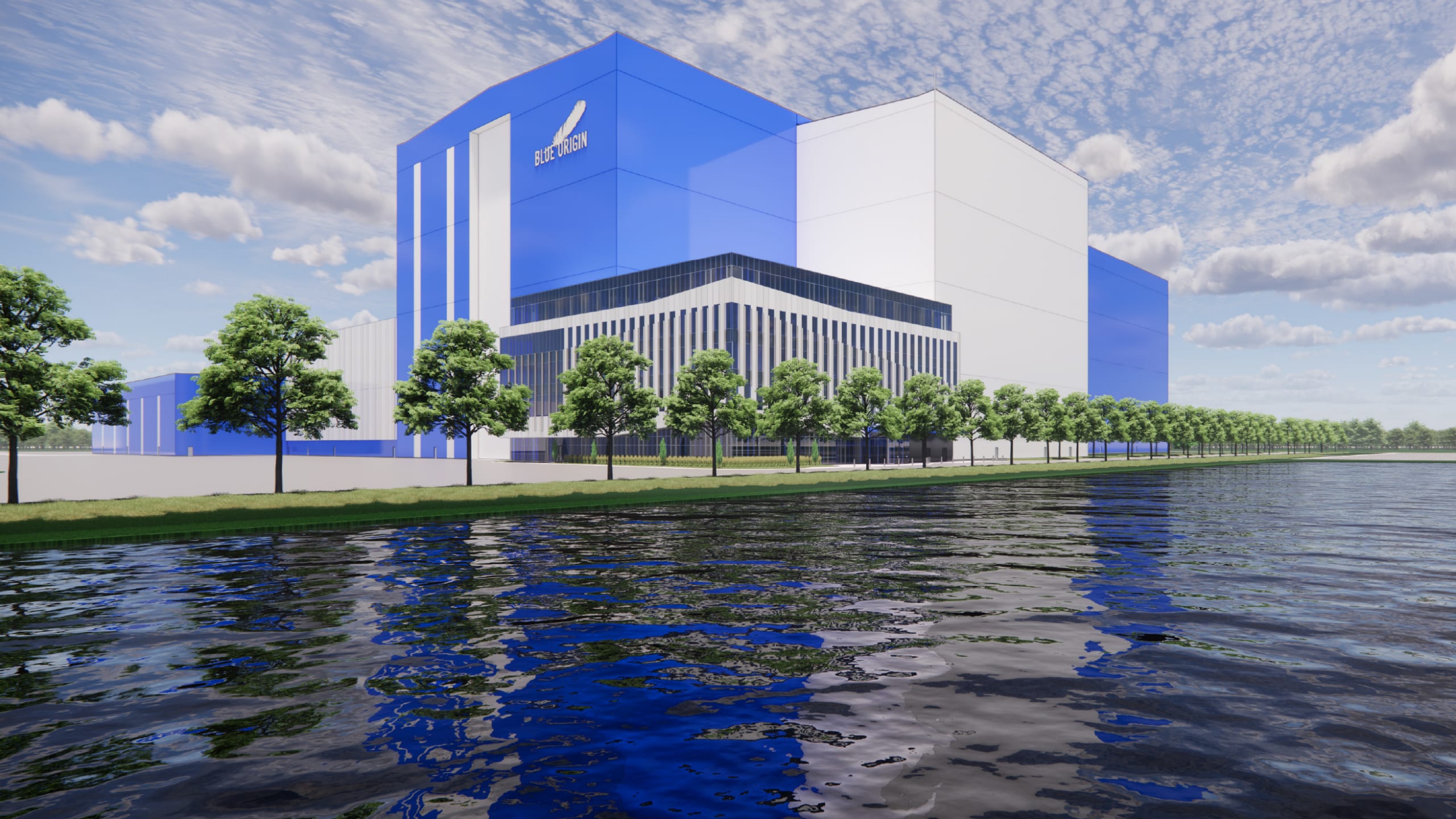
Blue Origin is investing $330 million to expand its Florida launch facilities to support high-frequency New Glenn rocket operations. The expansion includes new launch pads, landing ships, and a high-capacity manufacturing plant to reach a target of 150 launches annually by the end of the decade.
Blue Origin Scales for Heavy-Lift Dominance
Blue Origin has officially unveiled a massive $330 million investment strategy aimed at transforming its Cape Canaveral infrastructure into a high-cadence launch hub. By significantly expanding its Florida presence, the company is signaling its transition from a developmental phase to an operational powerhouse, specifically centered on the heavy-lift New Glenn rocket. The expansion, which includes a major upgrade to its Rocket Park campus, is projected to be fully realized by the summer of 2027.
Scaling Manufacturing and Launch Cadence
At the heart of this expansion is a dramatic shift in production philosophy. Blue Origin is establishing facilities capable of producing up to 150 upper stages for the New Glenn rocket every year. This move is essential for the company’s stated goal of achieving a launch cadence of multiple flights per week by the end of the decade. By localizing the production of these complex components, the company aims to streamline its supply chain and reduce the turnaround time between individual orbital missions.
Expanding Physical Infrastructure
To support such an aggressive flight schedule, the company is doubling its ground-based launch infrastructure. Plans call for the addition of two new launch and landing pads to complement the two currently under construction. Furthermore, the company is bolstering its recovery fleet by procuring two additional landing ships. These vessels will join the existing ship, 'Jacklyn,' to facilitate the retrieval of the New Glenn's reusable first stage, a critical factor in lowering the cost-per-launch profile of the vehicle.
Strategic Partnerships and Future Trends
Beyond mere hardware, Blue Origin is integrating its operations with broader national space interests. The company is developing a new customer integration facility in collaboration with the U.S. Space Force, underscoring the shift toward public-private partnerships in the modern space economy. This facility will play a vital role in preparing diverse payloads for deployment, reflecting the growing demand for reliable access to space from both commercial and government entities.
Implications for the Space Sector
This move represents a fundamental pivot toward industrial-scale space travel. If successful, the ability to launch 150 rockets annually would fundamentally alter the competitive landscape of the heavy-lift launch market. By focusing on reusability and high-frequency operations, Blue Origin is positioning itself to capture significant market share in the satellite deployment and deep space exploration sectors, setting a new benchmark for how aerospace companies must scale to meet the demands of the coming orbital economy.