For the first time, Mumbai civic body turns to wildlife management — for a dam
Source Entity
Pratip Acharya
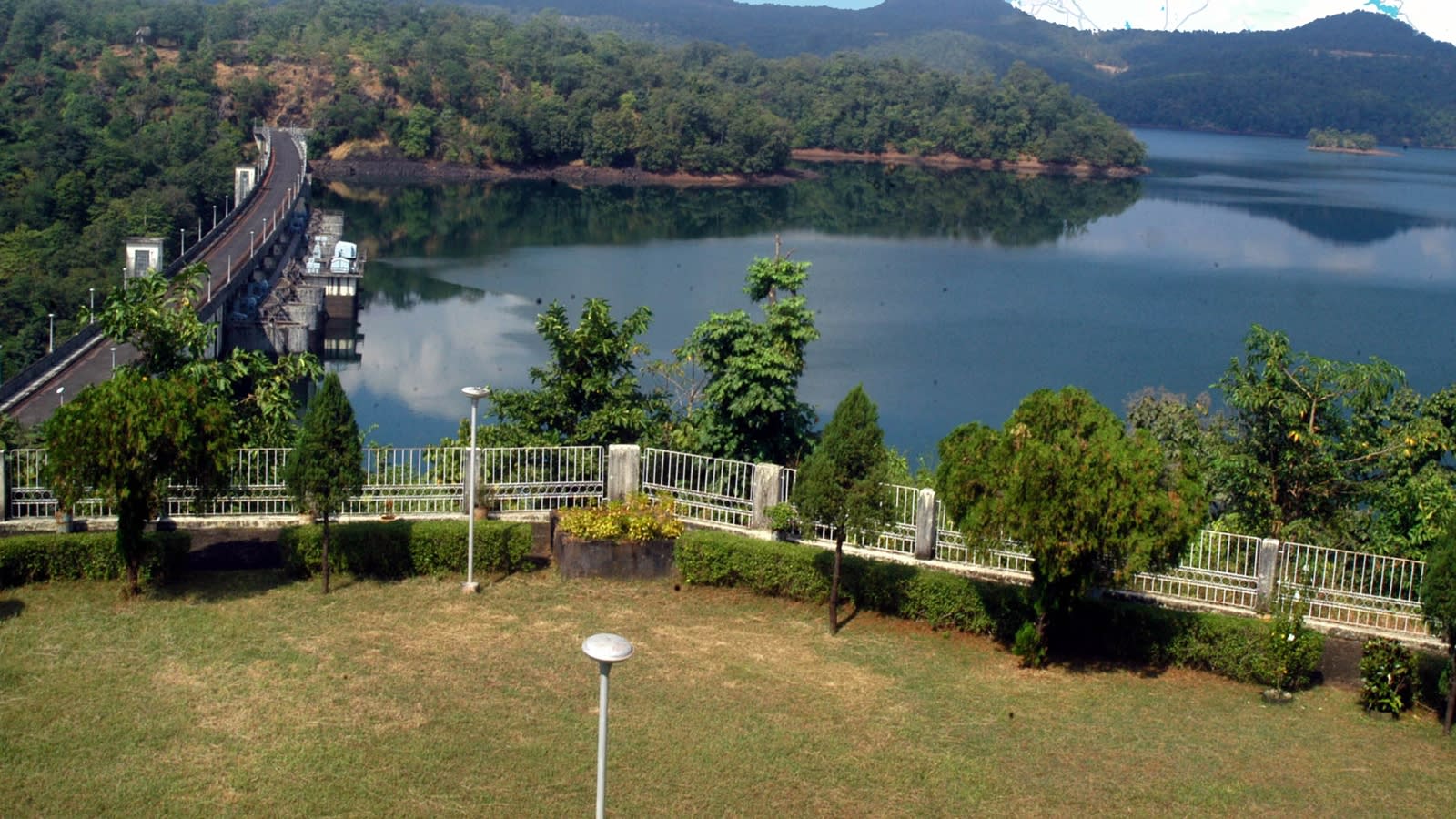
The BMC has received approval to build the Gargai dam in Palghar district to address Mumbai's growing water demands. This project involves unprecedented wildlife management and village relocation efforts to mitigate the loss of 650 hectares of forest land.
A New Frontier for Municipal Governance
The Brihanmumbai Municipal Corporation (BMC), historically recognized for infrastructure staples like road maintenance, sanitation, and utility management, is breaking new ground. By expanding its operational mandate to include wildlife management and tribal village relocation, the BMC is navigating the complex intersection of urban development and environmental preservation. This paradigm shift signals a realization that the survival of India's financial capital is inextricably linked to the ecological health of its surrounding regions.
The Gargai Dam Project: Addressing Water Scarcity
At the heart of this initiative is a Rs 3,065-crore project to construct a dam on the Gargai river in the Palghar district. As Mumbai’s population density continues to exert unprecedented pressure on its existing water infrastructure, the BMC has identified this project as a critical intervention to secure the city's future water supply. The proposal represents a long-term strategic investment designed to alleviate the recurring water stress that frequently plagues the metropolitan region during the dry season.
Environmental Impact and Regulatory Hurdles
The project’s environmental footprint is significant, as it necessitates the submergence of approximately 650 hectares of forest land within the Tansa Wildlife Sanctuary. Spanning both Thane and Palghar districts, this sanctuary serves as a vital ecological corridor. The National Board for Wildlife (NBWL) has granted conditional clearance, mandating that the BMC adhere to strict conservation protocols. This regulatory hurdle highlights the growing tension between the administrative need for urban expansion and the legal protections afforded to biodiversity hotspots.
Integrating Wildlife Management into Infrastructure
What distinguishes the Gargai dam project from traditional civil engineering endeavors is the BMC’s direct involvement in wildlife management. By proactively engaging with the northern stretch of the Tansa forest, the civic body is attempting to mitigate the loss of habitat. This collaborative approach between municipal authorities and wildlife experts marks a departure from standard practices, suggesting that future infrastructure projects in ecologically sensitive zones may require similar high-level environmental management frameworks.
Socio-Economic Considerations: Tribal Relocation
Beyond environmental concerns, the project involves the delicate task of relocating tribal villages. This aspect of the project underscores the socio-economic complexities of large-scale infrastructure development. The BMC's role in managing this transition is critical, as it must ensure that the displacement of these communities is handled ethically and sustainably, balancing the regional necessity for water against the fundamental rights and livelihoods of the local tribal populations.
Conclusion: A Model for Future Urban Development
The Gargai dam project serves as a test case for how India’s richest civic body handles the demands of a growing megalopolis while navigating environmental and social constraints. If successful, the BMC’s integrated approach could provide a blueprint for other urban centers facing similar resource scarcity. However, the ultimate success of this initiative will depend on the BMC’s ability to execute its wildlife and relocation commitments with the same rigor it applies to its traditional civic duties.