US proposes new tariffs: Why India has an edge over its competitors, and at what cost
Source Entity
Ravi Dutta Mishra
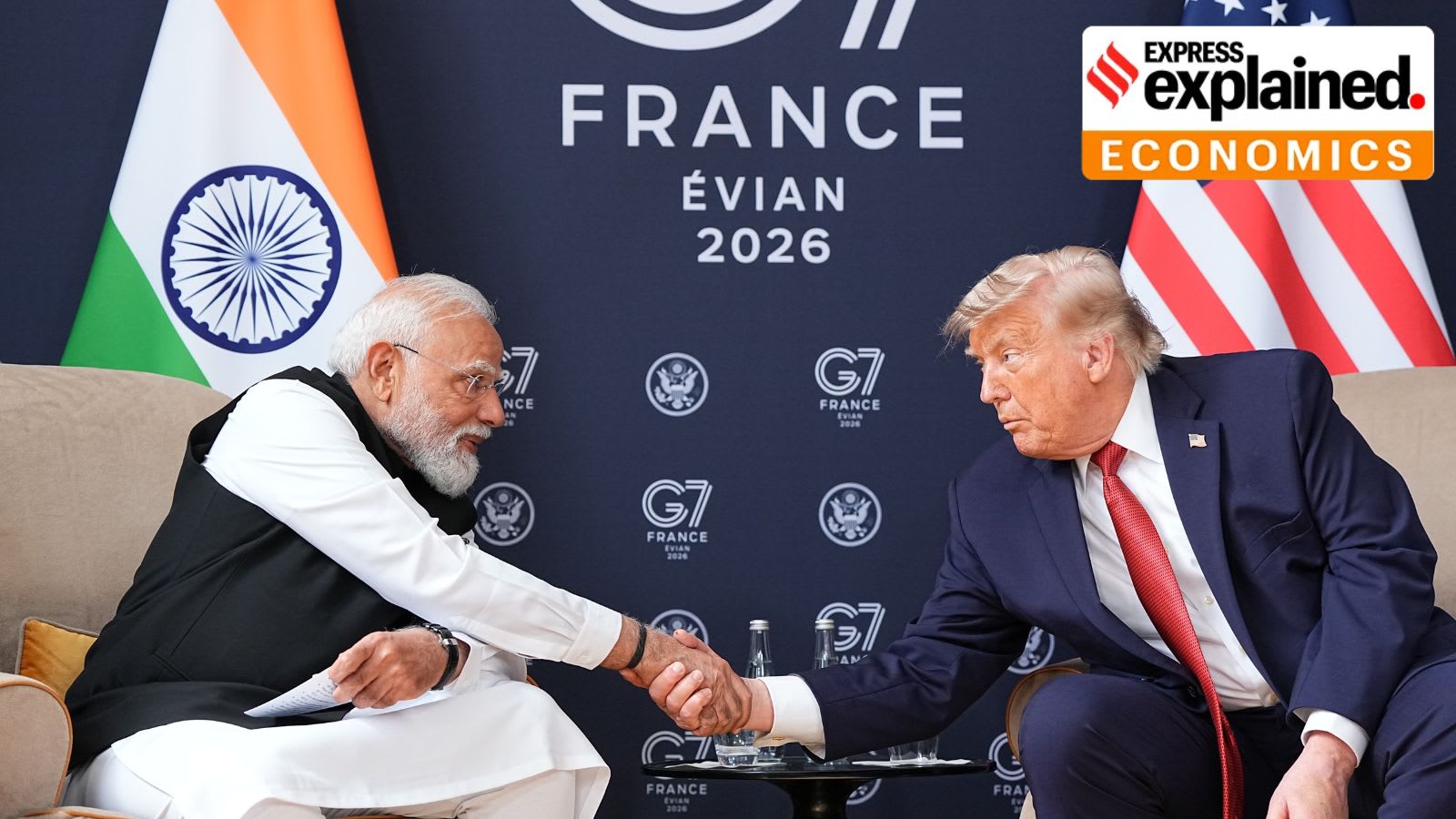
The Trump administration has proposed tariffs on India ranging from 17% to 25% following Section 301 investigations into trade practices. While 25% is the baseline penalty, the rate may reduce to 17% if a formal trade deal is finalized between the nations.
The Shift in US-India Trade Dynamics
The Trump administration has introduced a significant escalation in trade policy, proposing tariffs on Indian goods ranging from 17% to 25%. This move follows an exhaustive eight-month investigation by the Office of the United States Trade Representative (USTR) under Section 301. The investigation scrutinized trade practices across 16 major global partners, identifying India as a primary subject for these new measures.
Understanding the Section 301 Trigger
The core of this policy shift lies in the USTR’s findings regarding 'excess industrial capacity' and perceived unfair trade practices. The investigation highlighted several critical areas of concern, including insufficient labor protections, policies involving financial repression, persistent barriers to market access, and the importation of goods potentially linked to forced labor. By invoking Section 301, the administration is signaling a shift toward more aggressive protectionist measures intended to safeguard domestic US commerce.
The Conditional Tariff Structure
The proposed tariff regime operates on a tiered structure. A 25% duty is currently the proposed baseline for Indian goods, net of existing Section 301 tariffs, though specific exemptions for certain product categories remain a possibility. However, the administration has introduced a strategic 'relief' clause: should India and the United States successfully negotiate and sign a formal trade deal, the duty could be reduced to 17%. This creates a high-stakes incentive for negotiators to resolve long-standing trade disputes.
Broader Strategic Implications
This development is part of a larger global trend, with the US also targeting China with a 45% tariff alongside measures against 14 other trading partners. Notably, countries such as Mexico and Norway currently remain exempt from these specific proposals. For India, the threat underscores the ongoing friction between the desire for deeper integration into global supply chains and the US administration’s 'America First' approach to manufacturing and industrial capacity.
The Future of Bilateral Trade Negotiations
As the India-US trade deal remains unfinalized, these tariffs act as both a hurdle and a catalyst. The administration’s move is clearly aimed at leveraging trade policy to force concessions on market access and labor standards. Whether this leads to a swift resolution or a prolonged trade impasse will depend on the ability of both nations to align on the structural reforms identified by the USTR. Markets will be closely monitoring whether the 17% 'deal-based' tariff becomes the new floor or if the 25% penalty is fully implemented.