BMC death data throws up major mismatch in malaria, dengue figures
Source Entity
The Indian Express
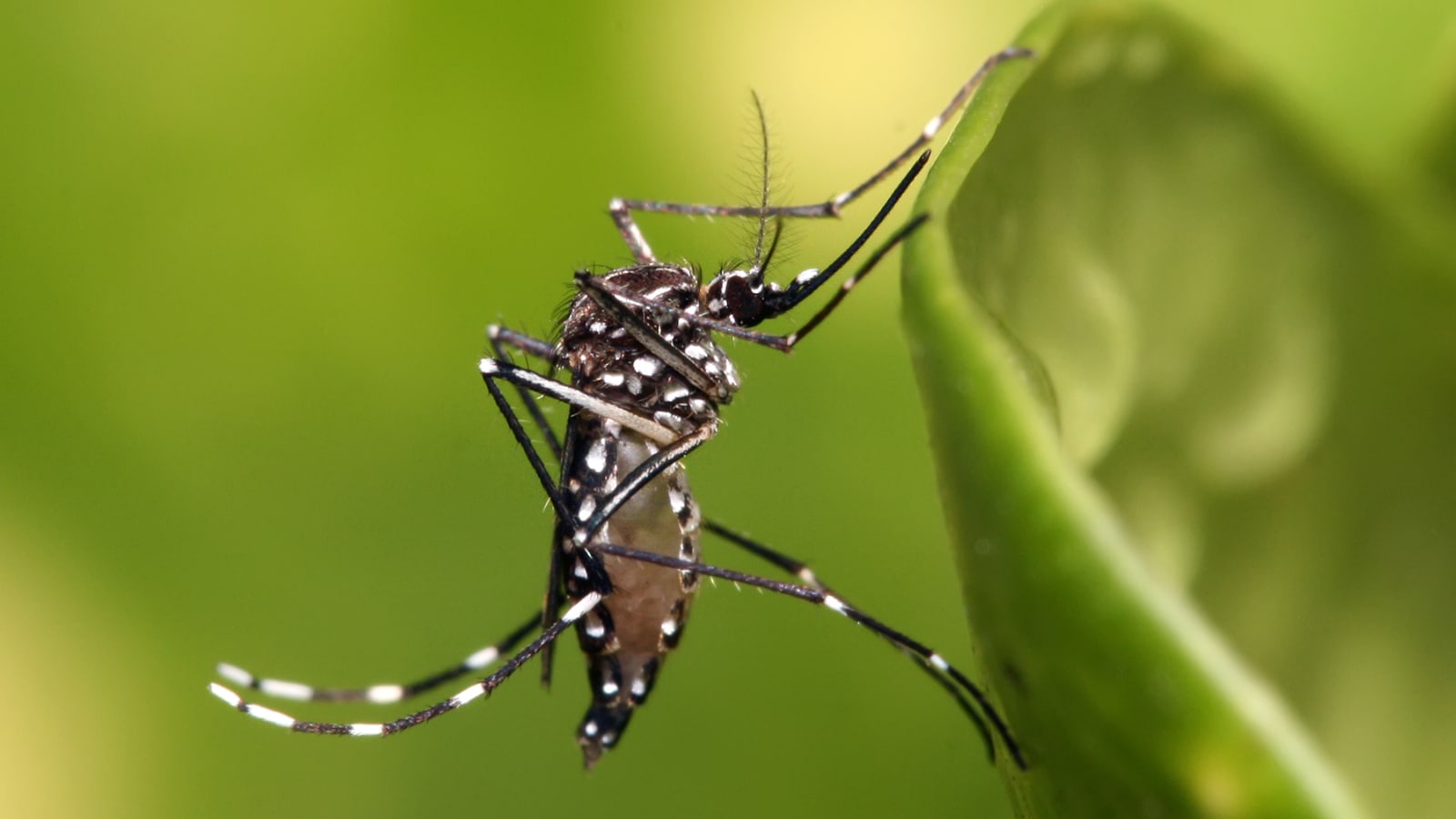
Data obtained via RTI reveals a significant discrepancy between BMC's disease surveillance figures and official death records for malaria and dengue. This massive underreporting suggests systemic failures in how the civic body tracks and communicates public health crises.
Discrepancies in BMC Mortality Data Reveal Critical Surveillance Gaps
The Scale of the Reporting Mismatch
A profound discrepancy has surfaced regarding how the Brihanmumbai Municipal Corporation (BMC) tracks mortality related to malaria and dengue. Data obtained through the Right to Information (RTI) Act by activist Chetan Kothari highlights a startling contrast: while the BMC’s internal disease surveillance system reported only seven malaria deaths and five dengue deaths for 2024, the civic body’s own International Classification of Diseases (ICD)-coded death records show a staggering 93 malaria deaths and 201 dengue deaths for the same period. This suggests that the official figures released to the public and the actual mortality burden are disconnected by an order of magnitude.
Historical Trends of Underreporting
This issue is not isolated to the current calendar year. The RTI findings indicate that this pattern of obfuscation or administrative failure has persisted for several years. For instance, between 2021 and 2023, the disease-wise surveillance data reported only a handful of malaria deaths annually—specifically one in 2021, one in 2022, and two in 2023. In contrast, the ICD-coded death records for those same years reveal substantially higher numbers. This recurring trend suggests that the surveillance system is consistently failing to capture the true impact of vector-borne diseases in Mumbai.
The Role of ICD Coding vs. Surveillance
The reliance on the International Classification of Diseases (ICD) coding provides a more rigorous, standardized method for tracking causes of death. The fact that these records consistently contradict the BMC's disease-wise surveillance data raises significant questions about the methodology used for the latter. It appears that the civic body’s surveillance reporting may be excluding deaths that occur outside of specific hospital settings or failing to update mortality counts once a death is officially certified under ICD standards.
Broader Public Health Implications
When public health data is fundamentally flawed, the capacity for the government to respond effectively to outbreaks is severely compromised. Accurate mortality tracking is the cornerstone of epidemiology; it dictates resource allocation, vector control strategies, and hospital bed management. By significantly underreporting the fatality rates of malaria and dengue, the BMC is likely masking the severity of these health crises, which could lead to inadequate public health interventions and a false sense of security among the population.
Accountability and Future Outlook
The exposure of this data gap through RTI underscores the necessity of institutional transparency. As Mumbai continues to battle seasonal spikes in vector-borne diseases, the reliance on incomplete surveillance data is dangerous. Moving forward, the BMC must reconcile its internal reporting mechanisms to ensure that the data presented to the public matches the clinical reality recorded in death certificates. Without a standardized, unified approach to data collection, the city risks failing to address the true scale of endemic diseases, ultimately endangering public health and stalling necessary infrastructure improvements.