Mumbai’s 39,000 ‘illegal’ slum homes face demolition: BMC sets October 1 deadline
Source Entity
Pratip Acharya
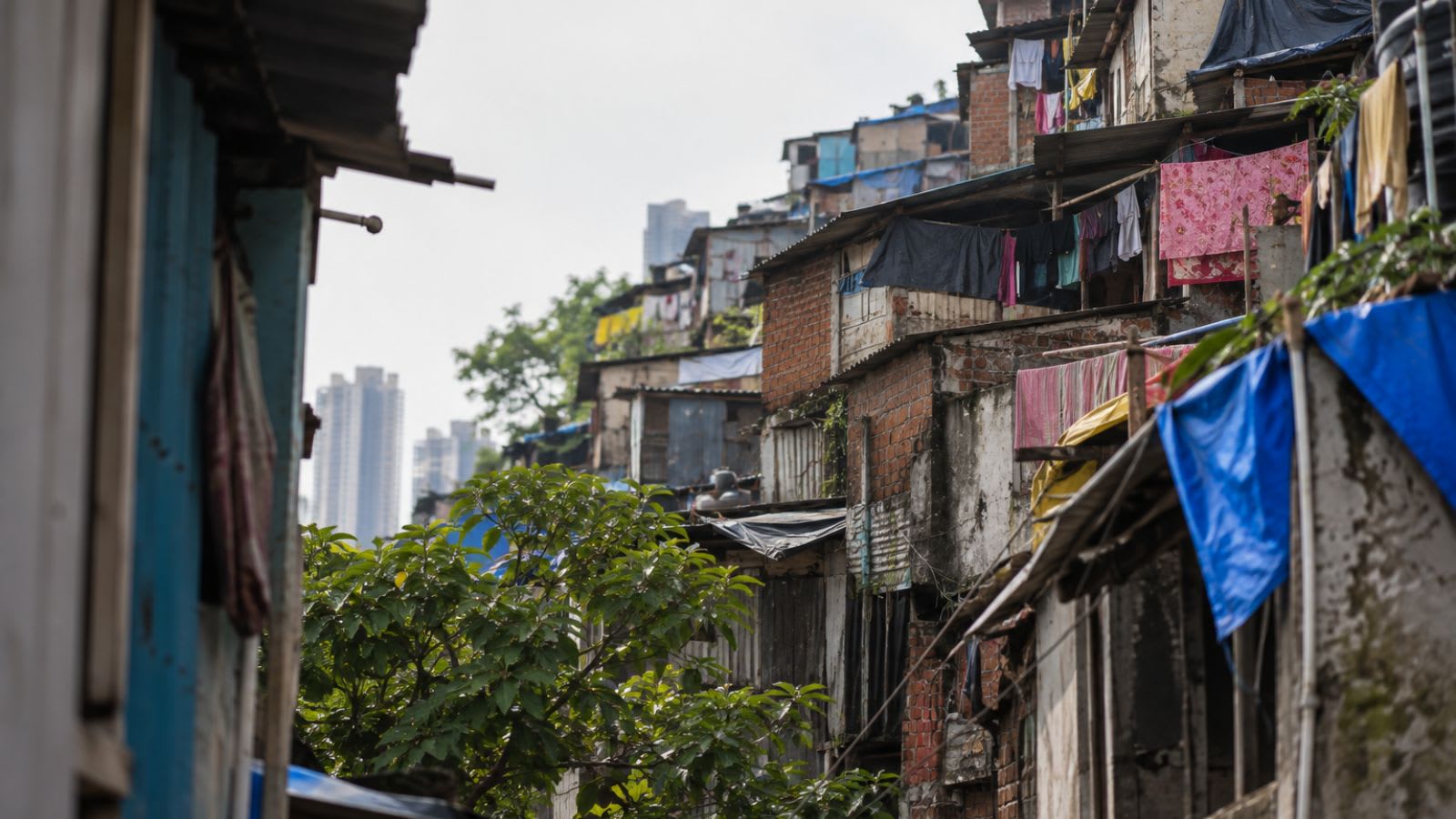
The BMC has initiated a strict three-month drive to demolish unauthorized slum structures in Mumbai exceeding 14 feet in height. This crackdown follows tragic building collapses and landslides that resulted in multiple fatalities during the monsoon season.
Mumbai’s Urban Safety Initiative: The BMC’s Targeted Demolition Drive
A Decisive Response to Urban Peril
In an unprecedented move, the Brihanmumbai Municipal Corporation (BMC) has officially announced a rigorous three-month campaign to identify and remove unauthorized housing structures within Mumbai’s sprawling slum settlements. Starting October 1, the civic body will target structures that exceed 14 feet in height, citing critical safety concerns. This initiative marks a significant shift in how the municipal authority approaches the regulation of informal settlements, moving from reactive measures to proactive structural enforcement.
The Catalyst: Tragedy and Accountability
The impetus for this aggressive timeline stems from a series of harrowing tragedies that plagued Mumbai during the recent monsoon season. In August, a devastating landslide in Kurla claimed the lives of eight individuals residing in precarious, hill-edge settlements. This incident followed closely on the heels of a separate calamity in the Mankhurd area, where six children lost their lives due to a structural collapse exacerbated by heavy rainfall. These events have forced the BMC to confront the lethal intersection of illegal construction and environmental instability.
Addressing Structural Vulnerability
The mandate to target structures 14 feet or taller is a calculated effort to mitigate risks associated with multi-story, unauthorized dwellings that often lack proper engineering or foundational support. By focusing on vertical height, the BMC is attempting to curb the proliferation of makeshift upper floors that significantly increase the burden on existing, often dilapidated ground structures, thereby reducing the risk of catastrophic collapses during the city’s intense rainy season.
The Broader Implications for Urban Planning
Mumbai’s geography, defined by its high population density and limited land availability, has long struggled with the proliferation of informal housing. The BMC’s move highlights the systemic tension between the need for affordable housing for the city's migrant workforce and the imperative of municipal safety standards. This crackdown signals a tightening of oversight that may force a broader conversation about how the city manages its rapid, often unplanned, urban expansion.
Future Trends and Challenges
As the October 1 deadline approaches, the BMC faces the complex challenge of balancing public safety with the humanitarian concerns of displaced residents. While the demolition drive is framed as a necessary measure to prevent further loss of life, it also underscores the urgent need for a more comprehensive urban policy that addresses the root causes of hazardous living conditions. Future trends likely involve increased monitoring of slope-side settlements and more stringent regulations on building materials and height limits in vulnerable zones.
Conclusion
The BMC's decision to launch this intensive demolition drive represents a critical juncture in Mumbai's urban governance. By prioritizing the structural integrity of slum housing, the city aims to prevent future tragedies. However, the long-term success of this policy will depend on the civic body's ability to navigate the humanitarian fallout while simultaneously addressing the structural failures that allowed these hazardous conditions to persist for so long.