IIT-Bombay student death case: Dean Professor removed
Source Entity
India Latest News: Top National Headlines Today & Breaking News | The Hindu
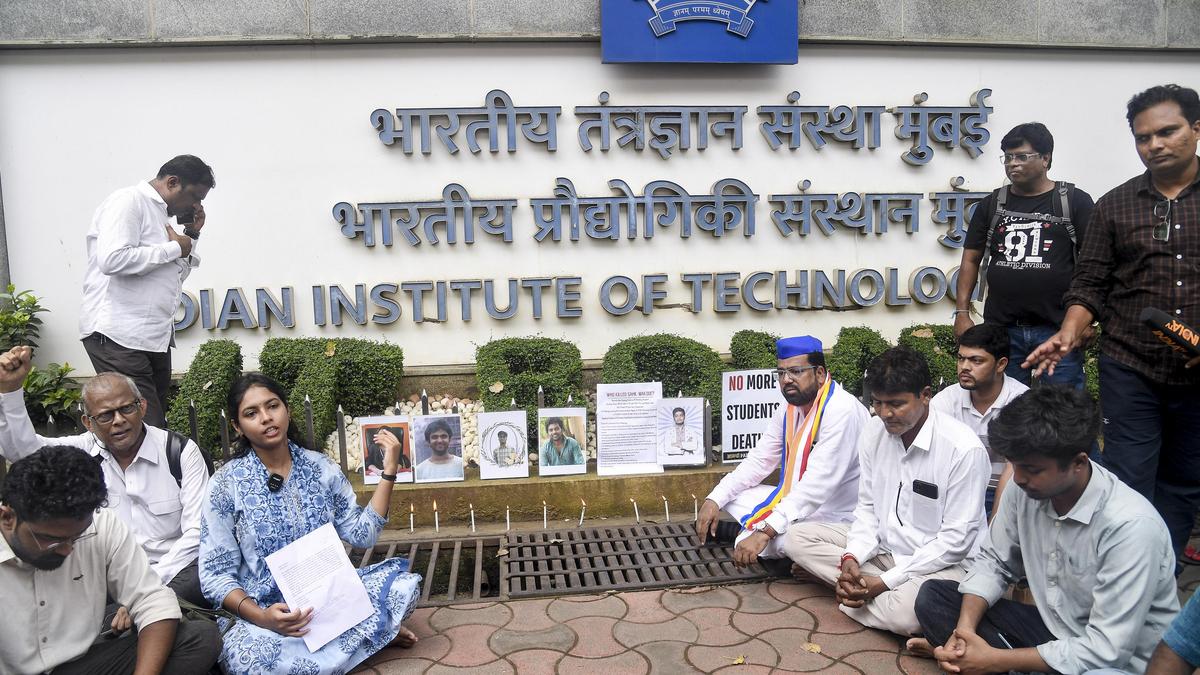
An IIT-Bombay student died by suicide after being caught using AI tools during an exam. The incident has sparked student protests demanding institutional accountability regarding mental health support.
Tragedy at IIT-Bombay: Examining the Intersection of Academic Pressure and Mental Health
The Incident
On the evening of September 18, 2026, a second-year student from the Department of Energy Science and Engineering at the Indian Institute of Technology (IIT) Bombay was found dead in his hostel room. The tragedy occurred just hours after the student was apprehended for using a mobile phone to upload examination questions to an AI platform in an attempt to secure answers. While the institute confirmed that no disciplinary action had been initiated against the student—noting that the instructor had instead engaged in a discussion and counseling session—the event has sent shockwaves through the campus.
Institutional Response and Student Outcry
In the wake of the death, the student body at the Powai campus organized large-scale protests, calling for immediate accountability and a deeper investigation into the circumstances surrounding the student's final hours. The protesters have specifically highlighted a perceived failure of the administration to adequately address the mental health crisis currently plaguing students. For many, the incident is not an isolated event but a symptom of an environment where the fear of academic failure or disciplinary scrutiny can lead to catastrophic consequences.
The Context of Academic Stress
This incident marks the third suicide at IIT-Bombay within a seven-month span, including a death reported at the same hostel on July 28. These recurring tragedies suggest a systemic issue that extends beyond individual academic misconduct. The use of generative AI in an exam setting, while a breach of academic integrity, highlights the immense pressure students face to perform in highly competitive environments. When such pressure is coupled with the fear of being caught, it can lead to acute psychological distress, especially in students already struggling with mental health challenges.
The Role of Technology in Academic Integrity
The use of AI platforms like ChatGPT to bypass traditional examination barriers represents a new frontier for academic institutions. As students increasingly turn to technology to mitigate the stress of rigorous coursework, institutions are forced to navigate the thin line between enforcing academic integrity and providing a supportive environment. The fact that the student was caught using AI underscores the desperation that can accompany high-stakes engineering education, where the margin for error is perceived to be zero.
Looking Toward Systemic Reform
For IIT-Bombay and similar elite institutions, the path forward requires a shift from purely disciplinary frameworks toward a more holistic approach to student welfare. The students' demands for a probe are indicative of a loss of trust in the current support systems. Future trends in higher education will likely require universities to integrate robust, proactive mental health counseling into the very fabric of their academic processes to ensure that students feel safe seeking help before reaching a breaking point.
Conclusion
While the investigation into the specific motives behind the student's decision remains ongoing, the broader implications are clear. The tragedy at IIT-Bombay serves as a somber reminder that academic pressure, when left unmanaged, can have devastating outcomes. The institution now faces the monumental task of balancing its reputation for academic excellence with the urgent, fundamental need to protect the well-being of its students.
Multiple Citing Sources
Verification Required?