Boeing finds software glitch that may disable landing guidance on 737 MAX jets
Source Entity
RAJEEV SINGH
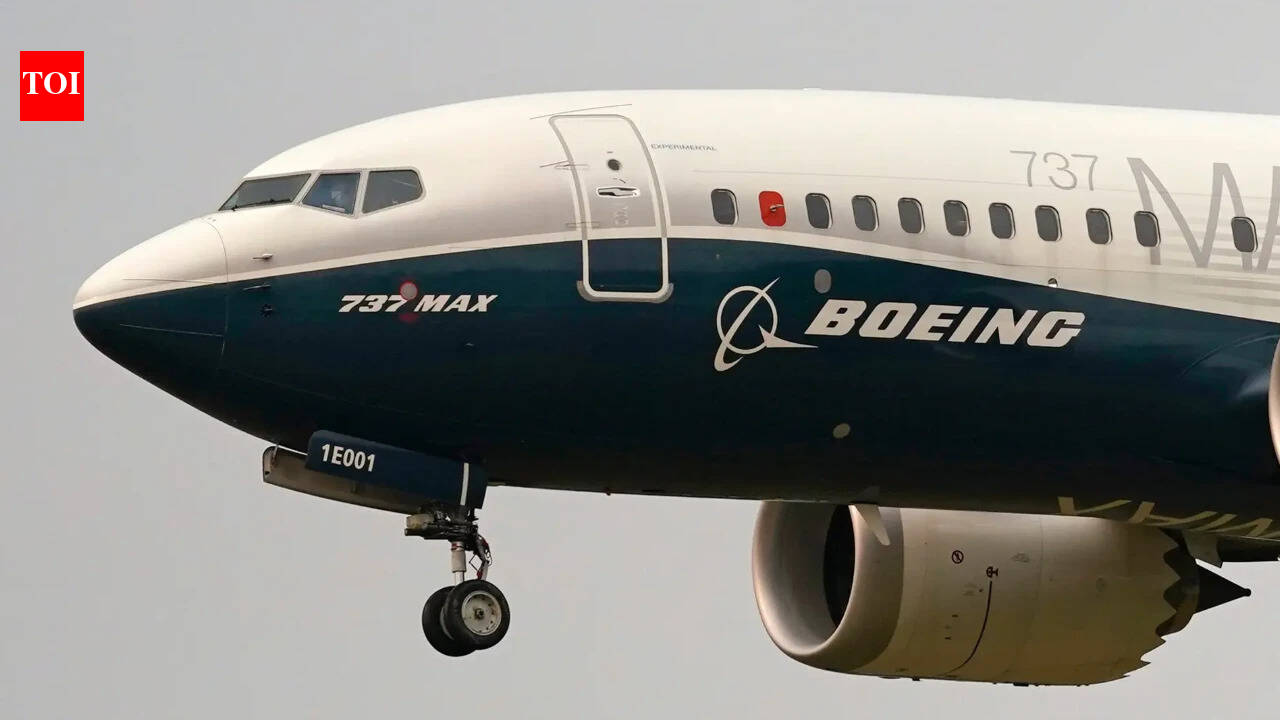
Boeing has identified a software glitch in some 737 Max aircraft that affects automated vertical navigation during specific missed approach scenarios. The manufacturer is working on a permanent fix while regulators assess the situation to ensure continued flight safety.
Boeing 737 Max Navigation Software Glitch: An Analysis
The Nature of the Technical Oversight
Boeing has recently identified a software-related anomaly affecting the automated vertical navigation capabilities of its 737 Max fleet. Specifically, the issue manifests during a 'missed approach' scenario—a standard maneuver where a pilot decides not to land and instead climbs back to a safe altitude. If a pilot attempts to modify the preprogrammed flight path following such a maneuver, the aircraft's automated navigation system may experience a disruption, potentially disabling automated guidance tools for subsequent landing attempts.
Operational Implications and Pilot Procedures
While the glitch is significant in terms of flight systems, Boeing has stated that the aircraft remains safe to fly. To mitigate immediate risks, the manufacturer has disseminated guidance to operators, reinforcing existing pilot procedures for handling missed approaches. Pilots are currently required to take additional manual steps to ensure the aircraft remains properly guided if the automated system experiences this specific navigation failure. This reliance on procedural workarounds underscores the critical importance of pilot training in managing automated flight deck failures.
Regulatory Oversight and FAA Involvement
The Federal Aviation Administration (FAA) is currently conducting an independent assessment of the software issue. By reviewing Boeing’s proposed permanent software update, the regulator aims to ensure that any corrective action fully addresses the underlying logic error without introducing new complexities. The FAA has maintained a posture of strict vigilance, noting that it will take immediate action should it identify any emerging safety concerns that deviate from current assessments.
Contextualizing Within Recent Corporate Scrutiny
This technical finding arrives at a sensitive time for the aerospace giant. Boeing has been under intense public and regulatory scrutiny following the January 2024 Alaska Airlines incident, where a door plug detached from a 737 Max 9 in mid-flight. While this software glitch is distinct from structural or quality control issues, it contributes to a broader narrative of concern regarding the 737 Max family—Boeing’s best-selling aircraft line that has faced multiple hurdles since its certification.
Future Trends and Engineering Outlook
Looking ahead, the aerospace industry is likely to see a heightened focus on software verification and validation processes. As aircraft become increasingly reliant on complex flight management systems, the ability to predict and patch 'edge-case' scenarios—such as route modifications during high-workload phases like missed approaches—will become a benchmark for safety certification. Boeing’s commitment to a permanent software fix is essential to maintaining operator confidence and ensuring the long-term viability of the 737 Max program as it continues to seek approvals for its remaining variants.
Multiple Citing Sources