Don’t export tomorrow’s wheat surplus today
Source Entity
Shweta Saini
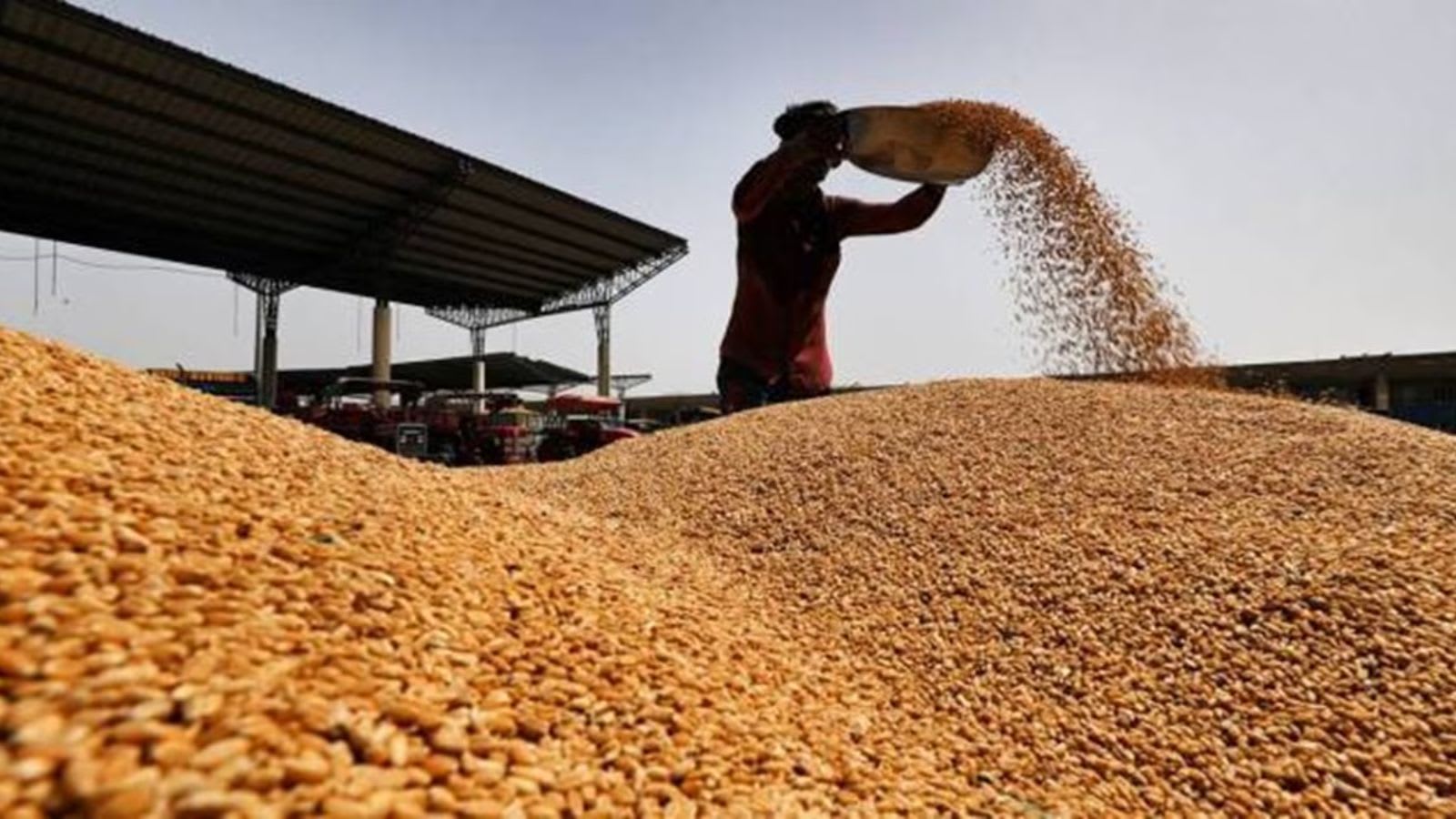
India's wheat export policy faces scrutiny as officials weigh current stockpile abundance against future harvest uncertainties. While current reserves exceed buffer norms, policymakers must balance export freedom with the necessity of ensuring future food security.
The Wheat Export Dilemma: Balancing Current Surplus with Future Security
Current Stockpiles vs. Future Uncertainty
India’s recent policy shift on August 24, moving wheat exports from a "prohibited" status to "free," marks a significant pivot in the nation's agricultural trade stance. While official data indicates a comfortable balance sheet—with production estimates reaching 120.7 million metric tonnes (MMT)—there is a palpable tension between current abundance and the unpredictability of the upcoming sowing season. Trade estimates, which often diverge from government figures by suggesting a production level closer to 110 MMT, highlight the inherent risks of relying on static data when planning long-term export strategies.
The Anatomy of the Current Buffer
Procurement figures have shown resilience, with 35.76 MMT secured, outperforming the previous year's 30 MMT. As of September 1, the Central Pool wheat stocks stood at nearly 48 MMT, which is substantially higher than the mandated October 1 buffer norm of 20.5 MMT. On the surface, this provides a cushion that justifies the government's decision to permit exports following earlier calibrated releases of 2.5 MMT in both February and April. However, this surplus is a snapshot of the past harvest, not a guarantee of future stability.
Defining the Buffer Surplus
A critical distinction must be made between a "buffer surplus" and an "export surplus." The current abundance is the result of a completed harvest cycle, providing a temporary sense of security. The danger lies in conflating these existing stocks with the ability to maintain such levels after the next planting cycle. Because the crop that will replenish these vital stocks is only just beginning its sowing phase, the market remains vulnerable to climate variables and logistical bottlenecks that could impact the next yield.
Strategic Challenges in Policy Formulation
The core challenge for Indian policymakers is determining whether the current data provides enough foresight into the next six months to justify unrestricted exports. Agricultural cycles are inherently volatile, and the decision to export freely today must be tempered by the reality that the next harvest is still in its infancy. With global food markets constantly in flux, India’s domestic food security remains the primary mandate, necessitating a cautious approach to inventory depletion.
Future Trends and Outlook
Moving forward, the government will likely need to maintain a sophisticated monitoring system that reconciles official production data with independent trade estimates. Should the upcoming sowing season face disruptions, the current "free" export status may require rapid recalibration. The future of India’s grain policy will depend on its ability to navigate the fine line between leveraging export revenue and ensuring that domestic reserves remain fortified against potential supply shocks in the coming year.