Boeing posts wider loss than expected as Air Force One costs weigh on results
Source Entity
US Top News and Analysis
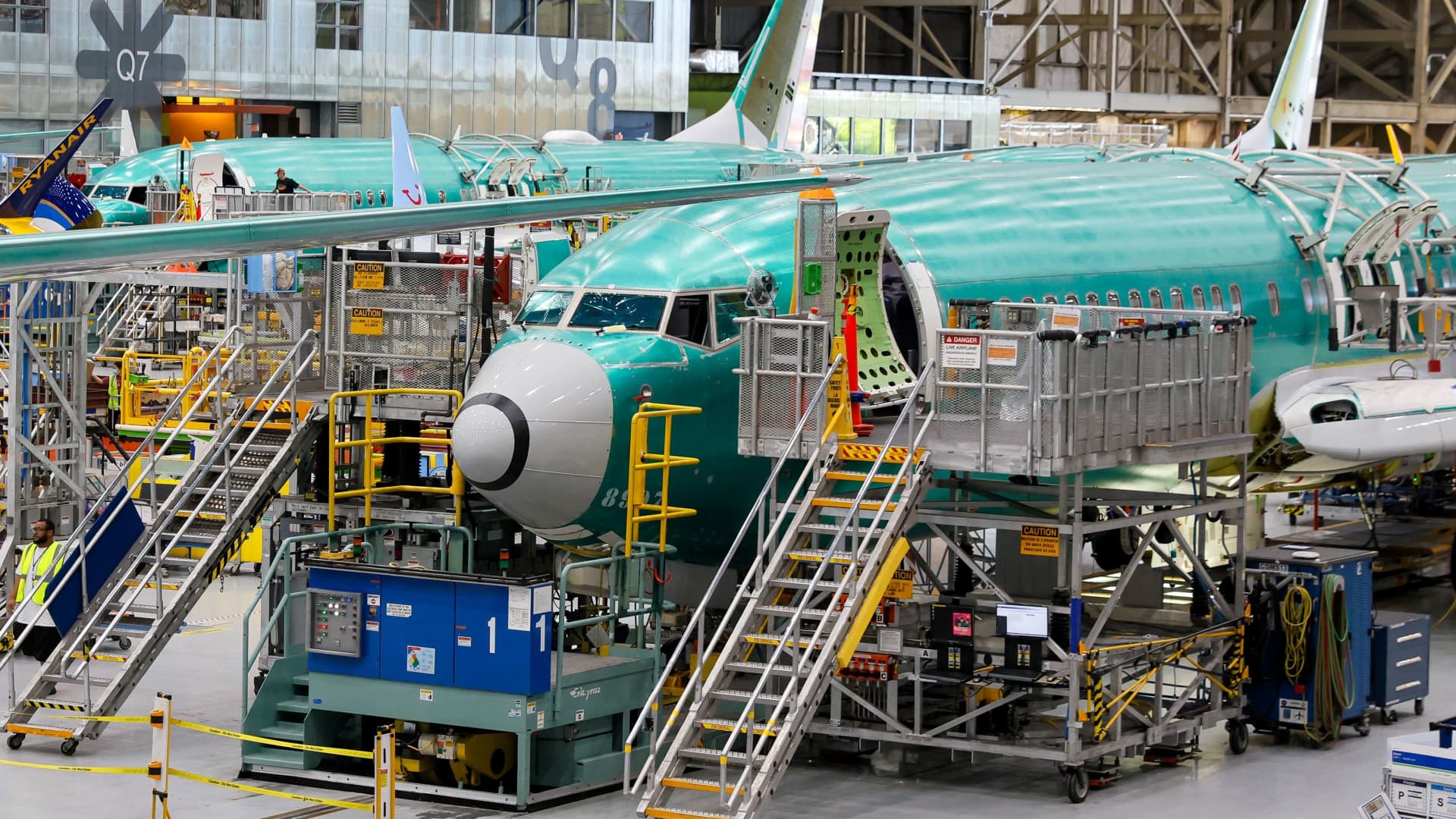
Boeing reported a wider-than-expected second-quarter loss, primarily driven by a $280 million charge related to its delayed Air Force One program. Despite this financial setback, the company saw a stock rally fueled by stronger-than-anticipated overall revenue and a robust defense backlog.
Boeing Faces Financial Headwinds Amid Air Force One Delays
Boeing’s recent second-quarter financial results have underscored a period of significant volatility for the aerospace giant. The company reported a loss that surpassed Wall Street expectations, a development heavily influenced by a $280 million charge tied to the long-delayed Air Force One program. This project, which involves the delivery of two highly modified 747 aircraft to the U.S. government, remains a significant financial drain as the company ramps up investment to meet revised delivery timelines, now pushed to 2028.
The Impact of Defense Program Costs
The $280 million charge is a stark reflection of the complexities inherent in military-grade aerospace manufacturing. Developing the next generation of Air Force One is not merely an assembly task; it requires extensive modifications for security, communications, and survivability, which often result in unforeseen engineering challenges. CEO Kelly Ortberg’s recent communication to staff acknowledged these difficulties, emphasizing that development programs remain unfinished until the final delivery is completed, signaling a culture of cautious optimism despite the fiscal strain.
Revenue Resilience and Market Reaction
Interestingly, the market response to Boeing’s earnings has been nuanced. While the bottom line missed expectations, the company’s stock experienced a rally due to revenue figures that outpaced analyst forecasts. This dichotomy suggests that investors are finding value in the company’s broader operational performance. While commercial airplane sales missed projections—likely due to ongoing production challenges at facilities like the Renton, Washington plant—the defense sector provided a necessary counterbalance.
Navigating a Complex Backlog
Boeing’s ability to lean on its defense backlog during a period of commercial underperformance highlights the strategic importance of a diversified portfolio. The company’s defense business has provided a cushion, offsetting the weaknesses seen in the commercial aviation segment. This backlog represents a pipeline of future work that, if executed correctly, could stabilize Boeing’s financial trajectory as it navigates the current economic environment.
Future Outlook and Operational Challenges
Looking ahead, Boeing remains in a race against both time and internal operational hurdles. The pressure to stabilize the 737 Max production lines while simultaneously managing high-profile government contracts remains a primary concern for stakeholders. The 2028 target for the Air Force One delivery provides a clear, albeit distant, milestone. Success will depend on the company's ability to contain costs on these development programs while scaling up commercial deliveries to meet global demand.
Conclusion
In summary, Boeing’s second quarter was defined by a struggle to balance high-cost development commitments with the need for commercial growth. While the $280 million charge for the Air Force One program highlights the risks of government contracting, the resilience of the company’s revenue and backlog suggests a degree of institutional strength. Investors and industry observers alike will be closely watching whether Boeing can translate its current backlog into consistent profitability in the coming fiscal periods.
Multiple Citing Sources