1 killed, 4 injured as boiler explodes at steel melting unit in Tamil Nadu
Source Entity
TNN
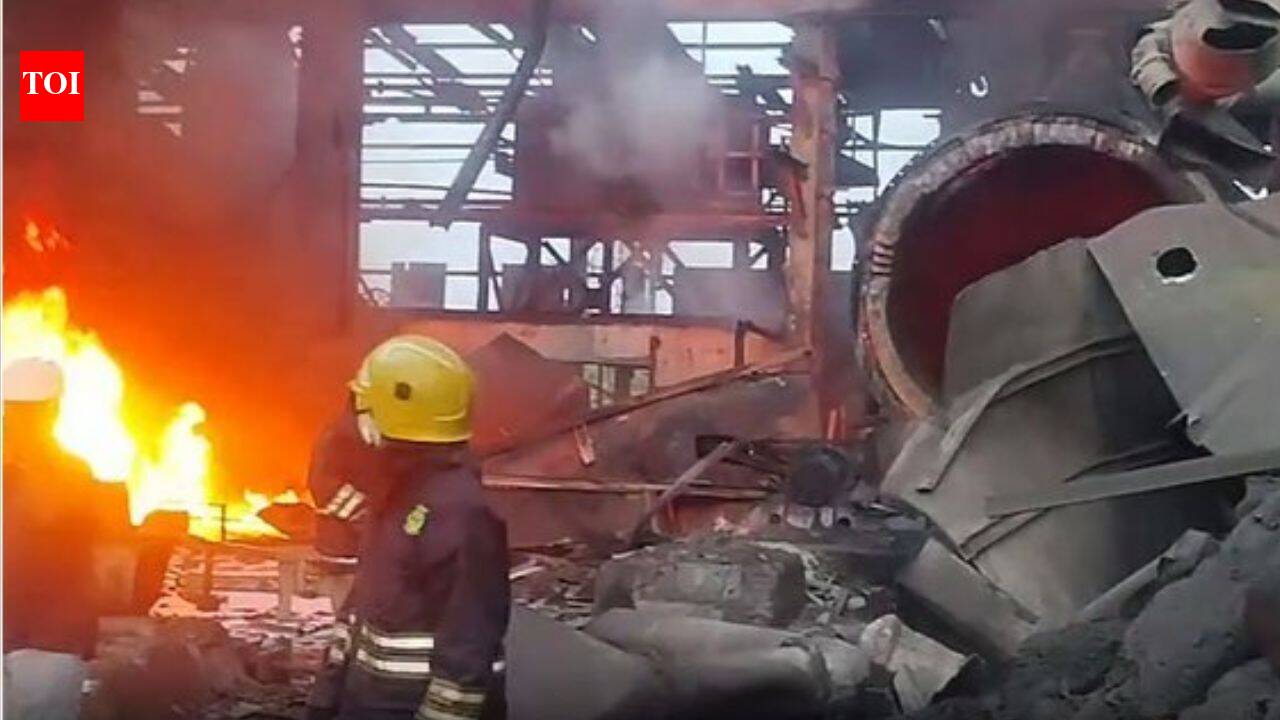
A guest worker died and four others were injured in a boiler explosion. The incident occurred at a steel melting unit in Gummidipoondi's SIPCOT Industrial Estate. The injured workers sustained severe burn injuries and received immediate medical attention. Authorities are investigating the exact cause of the explosion and potential safety lapses. Rescue operations were promptly launched by police and fire services at the scene.
Industrial Tragedy in Gummidipoondi: A Critical Analysis of the SIPCOT Boiler Explosion
An industrial accident at a steel melting unit within the SIPCOT Industrial Estate in Gummidipoondi, Tamil Nadu, has once again highlighted the precarious nature of heavy industrial operations. The explosion of a boiler led to the immediate death of one guest worker and left four others with severe burn injuries. This incident is not merely a localized failure but a symptom of the systemic risks associated with high-pressure thermal equipment in the steel processing sector, where the margin for error is virtually non-existent.
The Mechanics of Boiler Failures in Steel Production
Steel melting units rely heavily on boilers to generate steam or heat required for various stages of smelting and refining. These systems operate under extreme pressure and temperature; any failure in the pressure relief valves, corrosion of the boiler shell, or neglect in routine maintenance can lead to a catastrophic rupture. In the case of the Gummidipoondi incident, the resulting explosion released high-temperature steam and debris, which explains the severe burn injuries sustained by the workers. The prompt response by the police and fire services was critical in preventing further casualties, but the fatality underscores a failure in the primary safety barriers designed to protect personnel from such events.
Vulnerability of Guest Workers in Industrial Hubs
A poignant detail of this tragedy is that the deceased was a guest worker. This brings to light the broader socioeconomic dynamic of Tamil Nadu's industrial zones, where a significant portion of the labor force consists of migrant workers from other states. These workers often face higher risks due to potential gaps in safety training, language barriers that hinder the understanding of emergency protocols, and a precarious employment status that may make them less likely to report safety concerns. The tragedy emphasizes the urgent need for standardized, multilingual safety inductions and comprehensive insurance coverage for the migrant workforce operating in high-risk environments.
Regulatory Oversight and SIPCOT's Safety Framework
The SIPCOT (State Industries Promotion Corporation of Tamil Nadu) Industrial Estates are engines of economic growth, but they also concentrate high-risk industries in close proximity. The ongoing investigation into "potential safety lapses" will likely focus on whether the unit complied with the Indian Boiler Regulations (IBR). Regular inspections by the Inspectorate of Boilers are mandatory to ensure structural integrity. If the unit had bypassed these audits or ignored warning signs of equipment fatigue, it would represent a severe breach of industrial law. This event will likely prompt a wider audit of similar melting units in the region to prevent a chain of similar accidents.
Broader Implications for Industrial Safety in Tamil Nadu
This incident serves as a grim reminder that rapid industrialization must be matched by a corresponding evolution in safety culture. The transition from reactive to proactive safety management—incorporating IoT-based pressure monitoring and automated shut-off systems—is no longer optional for the steel industry. When a boiler explodes, the impact extends beyond the immediate victims to the surrounding industrial ecosystem, potentially causing panic and operational shutdowns in neighboring units. The psychological impact on the surviving workers and the loss of a breadwinner for a migrant family highlight the human cost of industrial negligence.
Conclusion and Future Outlook
In summary, the boiler explosion in Gummidipoondi is a stark wake-up call for the management of steel melting units and regulatory bodies in Tamil Nadu. While the immediate focus remains on medical care for the injured and the legal investigation, the long-term solution lies in stricter enforcement of safety codes and a fundamental shift in how guest workers are integrated into safety protocols. Future trends in the industry must lean toward total automation of high-risk thermal zones to remove human operators from the immediate vicinity of potential blast radii, ensuring that economic productivity does not come at the cost of human life.