BOJ holds rates as underlying inflation aligns with 2% target for first time since 2013
Source Entity
US Top News and Analysis
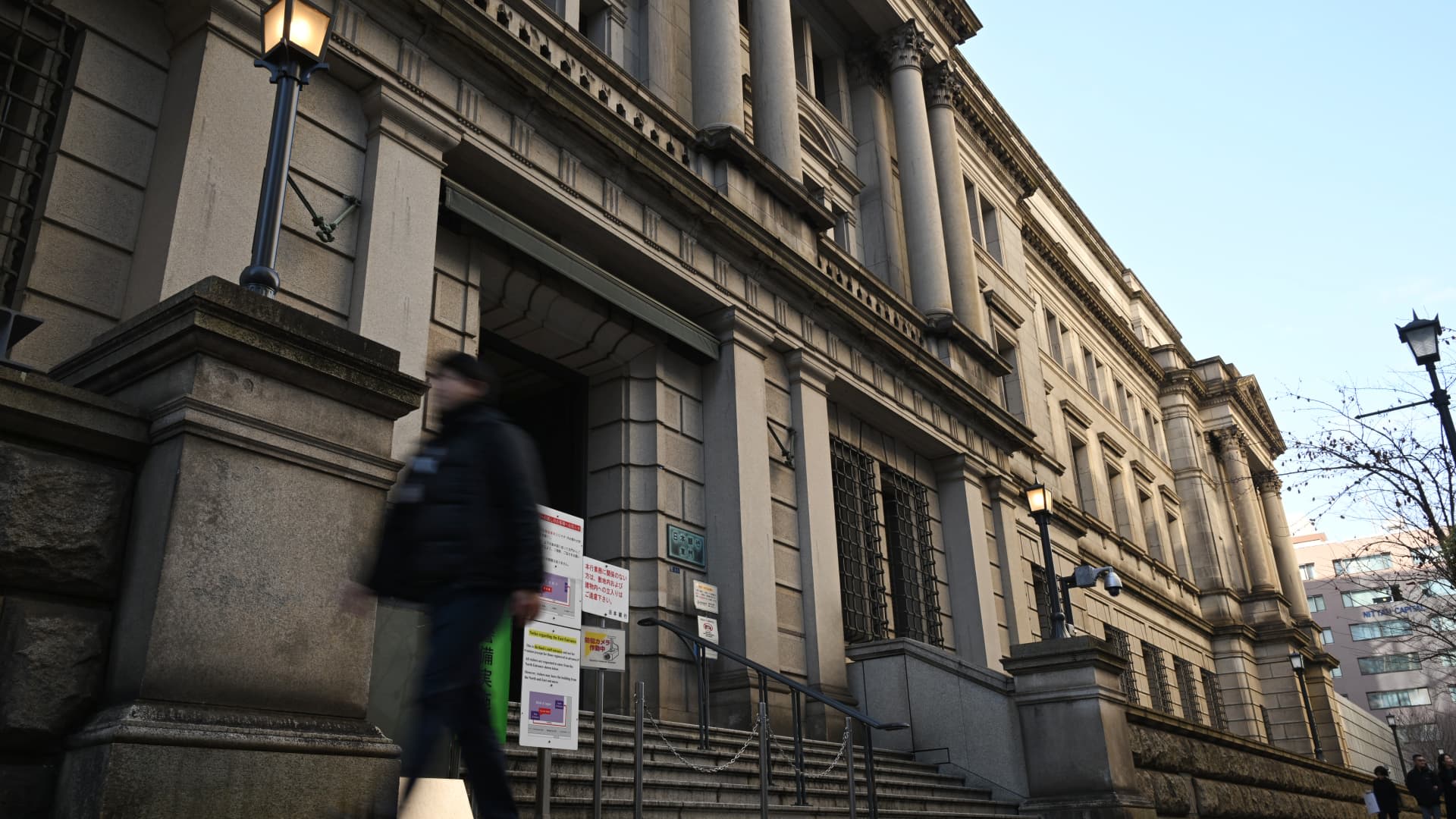
The Bank of Japan has maintained interest rates at 1.25% after confirming that underlying inflation has finally met its long-standing 2% target. This historic milestone marks the first time the goal has been achieved since its 2013 implementation, signaling a potential shift in Japan's monetary policy trajectory.
A Historic Milestone for the Bank of Japan
In a landmark development for the Japanese economy, the Bank of Japan (BOJ) has officially declared that underlying inflation is now "generally consistent" with its 2% target. This assessment, formalized during the bank's late December 2025 meeting, represents the first time the institution has reached this milestone since the target was initially established in 2013. For over a decade, the BOJ had characterized inflation as merely "approaching" this threshold, making this shift in language a monumental signal of economic maturation.
Interest Rate Strategy and Internal Dissent
Despite hitting this inflation goal, the BOJ opted to hold interest rates steady at 1.25%. This level remains the highest the nation has seen since 1995, reflecting a cautious approach to monetary normalization. The decision was not unanimous, however, revealing a fracture within the board. With an 8-1 vote, the policy was maintained, but board member Hajime Takata dissented, advocating for a further hike to 1.5%. This internal disagreement highlights the ongoing debate within the central bank regarding the speed at which Japan should exit its era of ultra-loose monetary policy.
Upward Revisions and Future Inflationary Pressures
Further reinforcing the trend of rising price levels, the central bank has upgraded its inflation forecast for the 2027 fiscal year to 2.6%, up from the previous projection of 2.4%. This upward revision, alongside increased expectations for "core-core" inflation, suggests that the BOJ anticipates price stability to persist above its initial target. By adjusting these forecasts, the bank is signaling to markets that the inflationary environment is becoming more entrenched, which may necessitate further policy adjustments in the coming quarters.
Historical Context and Economic Implications
Japan’s long journey toward 2% inflation has been defined by decades of stagnation and deflationary pressure. Since 2013, the BOJ has utilized various unconventional tools, including yield curve control and negative interest rates, to stimulate the economy. Achieving this target suggests that the structural forces holding back inflation—such as aging demographics and wage stagnation—may be shifting. This transition is not merely statistical; it impacts everything from household purchasing power to the cost of borrowing for Japanese businesses.
Future Trends and Market Sentiment
Looking ahead, the tension between maintaining stability and controlling inflation will likely define the BOJ's 2026 agenda. The dissent from Hajime Takata acts as a bellwether for potential future shifts; if inflation continues to track above the 2% target as suggested by the 2027 forecast, the pressure on the board to raise rates to 1.5% or higher will grow. Market participants will be closely watching for any further changes in language or policy that indicate a move toward a more hawkish stance, as Japan continues to navigate its most significant monetary policy evolution in thirty years.