‘May again indulge in stunts’: Bombay HC refuses to release 17-year-old in Ghatkopar crash
Source Entity
Omkar Gokhale
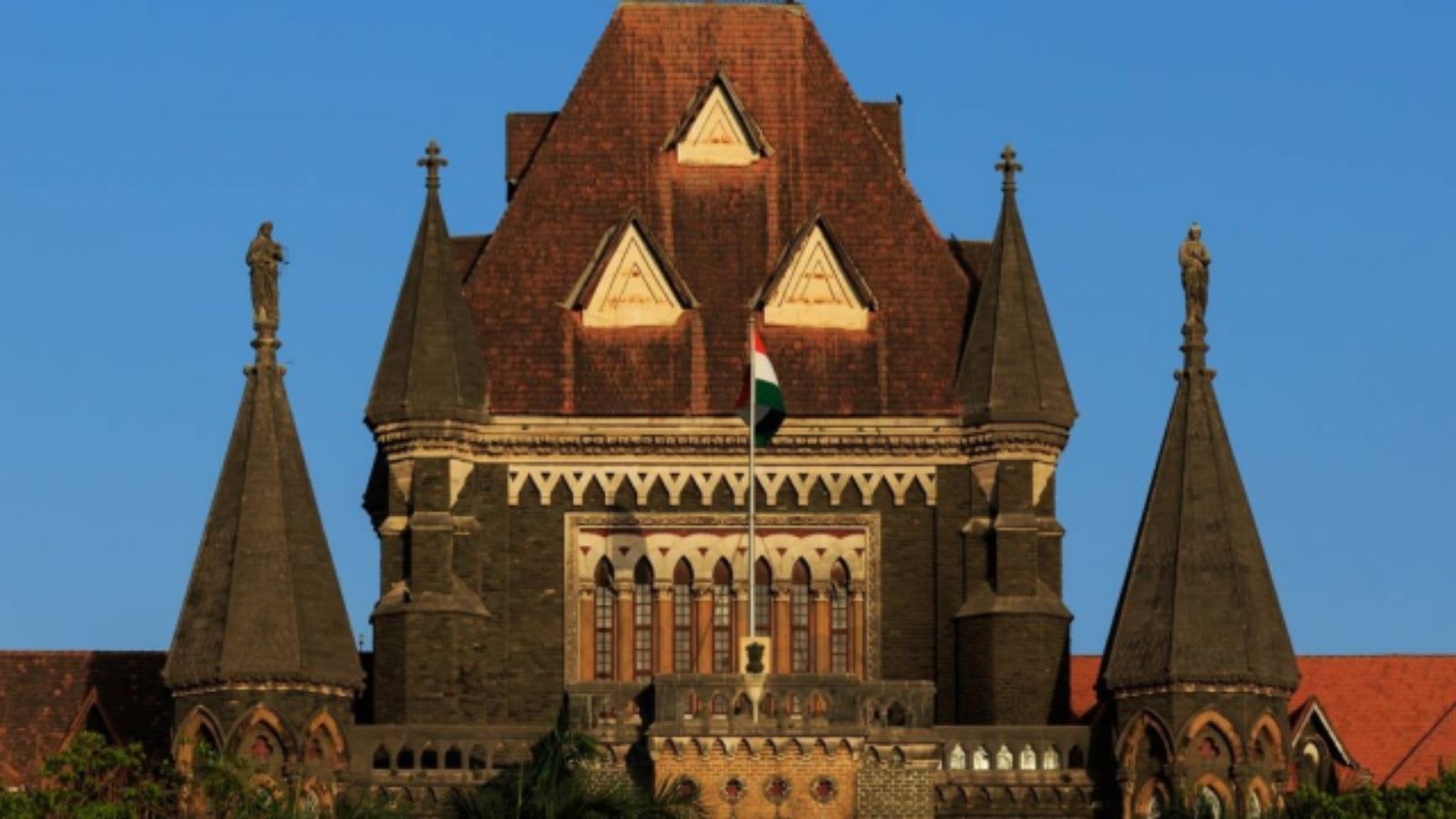
The Bombay High Court has denied bail to a teenager involved in a fatal Ghatkopar car crash, citing risks of repeat dangerous behavior. The court upheld the cancellation of his previous bail, noting the suspect has now reached the age of majority.
Judicial Scrutiny in the Ghatkopar Crash Case
The Bombay High Court’s recent decision to uphold the cancellation of bail for a youth involved in a fatal vehicular incident in Ghatkopar marks a significant moment in the intersection of juvenile justice and public safety. The case, which involves a teenager who was 17 at the time of the incident, centers on a tragic collision where an SUV allegedly rammed into a motorcycle, resulting in the death of 33-year-old businessman Dhrumil Patel and injuring his spouse. By rejecting the plea for release, the judiciary has signaled a firm stance against reckless driving behavior that threatens the sanctity of public thoroughfares.
The Legal Threshold of Majority
Justice Shivkumar G. Dige, presiding over the single-judge bench, highlighted a critical evolution in the case: the applicant has now attained the age of majority. This transition from juvenile status to adulthood has profound implications for how the court assesses the risk of recidivism. The court explicitly noted that the individual’s past behavior—characterized as a 'stunt act'—coupled with his current age, creates a foreseeable danger to society. The judicial reasoning suggests that legal protections afforded to minors are not absolute when the safety of the public is at stake.
Evaluating the Risk of Recidivism
The court’s refusal to grant bail is grounded in the observation that the applicant may once again engage in dangerous stunts with his peers if released. This concern reflects a broader judicial trend of prioritizing public safety over individual liberty when there is evidence of habitual recklessness. By upholding the Sessions Court’s earlier decision, the High Court has effectively overruled the initial bail grant provided by the Juvenile Justice Board (JJB), suggesting that the severity of the offense and the potential for future harm outweigh the benefits of pre-trial release.
Implications for Road Safety and Justice
This case serves as a somber reminder of the fatal consequences of irresponsible driving. The tragedy that befell Dhrumil Patel and his family has become a focal point for debates regarding the accountability of young drivers. The court’s focus on the 'stunt' nature of the event implies a systemic issue regarding the culture of high-speed, reckless vehicular maneuvers in urban settings, and the legal system’s attempt to curb such behaviors through stringent bail conditions.
Future Trends in Juvenile Accountability
As the legal proceedings continue, this case may influence how future cases involving youthful offenders are adjudicated, particularly when the nature of the crime involves high-risk behavior. The rejection of the bail plea on September 9 underscores a shift toward a more cautious approach by the appellate courts when reviewing decisions made by the JJB. Moving forward, the judiciary is likely to maintain a stringent oversight mechanism to ensure that those accused of serious crimes do not pose a continued threat to the public while awaiting trial.
Conclusion
In summary, the Bombay High Court's refusal to grant bail in the Ghatkopar crash case reinforces the principle that personal freedom is contingent upon a respect for public safety. By focusing on the applicant's potential for repeat offenses and his transition into adulthood, the court has prioritized the welfare of the community. This case remains a critical touchstone for understanding the limitations of juvenile leniency in the face of grave, life-altering negligence.