Bonded labour persists even five decades after enactment of law: Judge
Source Entity
India Latest News: Top National Headlines Today & Breaking News | The Hindu
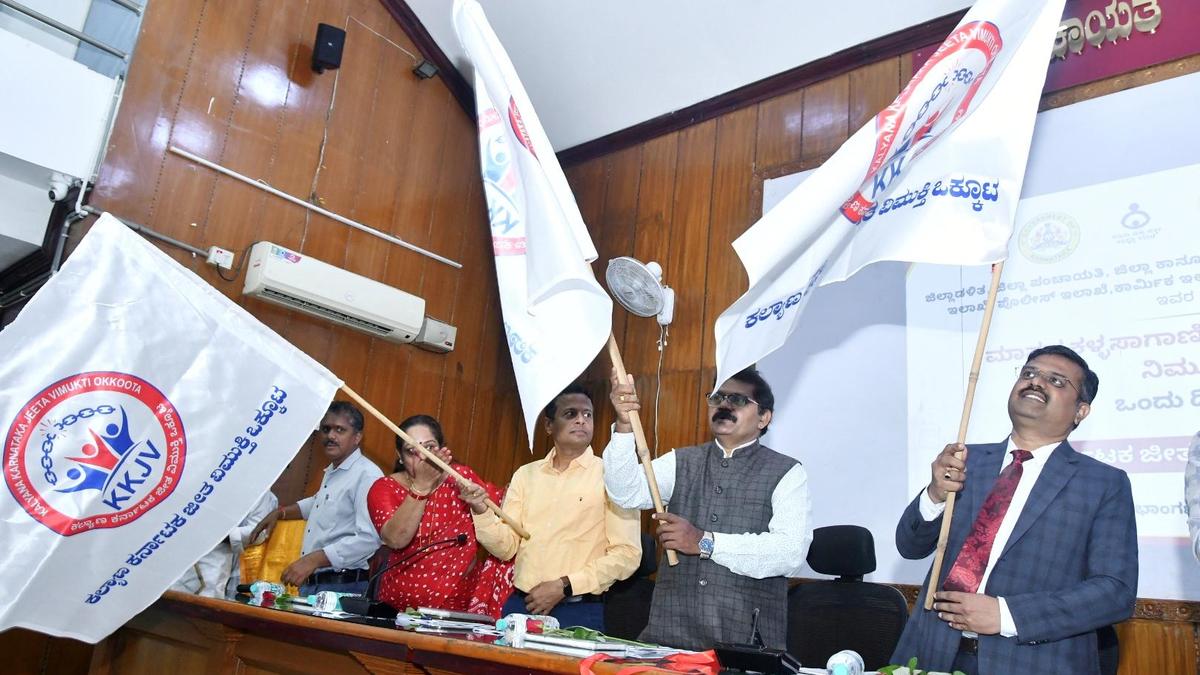
Despite the 1976 Bonded Labour System (Abolition) Act, the practice persists, prompting judicial concern. Authorities emphasize that the government must prioritize the constitutional right to a life of dignity through better identification, liberation, and rehabilitation efforts.
The Persistent Challenge of Bonded Labour in India
Nearly five decades have passed since the enactment of the Bonded Labour System (Abolition) Act, 1976, yet the scourge of modern slavery remains a significant challenge within Indian society. Recent statements by senior civil judge and District Legal Services Authority (DLSA) member-secretary Srinivas Navale highlight a troubling reality: the legislative framework, while robust in its intent, has yet to achieve the total eradication of this exploitative practice.
The Constitutional Mandate vs. Ground Reality
At the core of this issue is the fundamental conflict between the Constitutional guarantee of a life with dignity and the reality faced by vulnerable populations. Mr. Navale emphasized that the state bears a primary responsibility to uphold these constitutional rights. When individuals are trapped in debt bondage, they are effectively stripped of their agency, rendering the state's promise of dignity an abstract concept rather than a lived experience for thousands of citizens.
A Multi-Pronged Approach to Eradication
During a recent workshop focused on human trafficking and bonded labour, the conversation shifted toward the necessary machinery for change. The identification of victims is the first, often most difficult, step in a process that must conclude with comprehensive liberation and rehabilitation. Without a structured support system to reintegrate freed labourers into the economy, there is a high risk of recidivism, where individuals are forced back into exploitative conditions due to a lack of viable alternatives.
The Intersection of Vulnerability
It is important to note that the fight against bonded labour is inextricably linked to other social crises. By launching initiatives alongside campaigns against child marriage, authorities are acknowledging that bonded labour does not exist in a vacuum. It thrives in environments characterized by poverty, lack of education, and systemic inequality. The Kalyana Karnataka Bonded Labour Liberation Federation represents a grassroots effort to combat these overlapping issues through advocacy and community awareness.
Future Outlook and Policy Implications
Moving forward, the eradication of bonded labour requires more than just legal statutes; it demands rigorous enforcement and political will. The judicial focus on this issue serves as a reminder that the 1976 Act is not a relic of the past but a living instrument that requires constant vigilance. Future trends will likely necessitate a greater reliance on district-level legal services to bridge the gap between policy and practice, ensuring that the marginalized are not left behind in the pursuit of national development.
Verification Required?