Boy, 9, chasing kite falls into 45-foot borewell in Rajasthan’s Alwar; rescued
Source Entity
Latest News: Todays Latest News Headlines from India & World | Hindustan Times | Hindustan Times
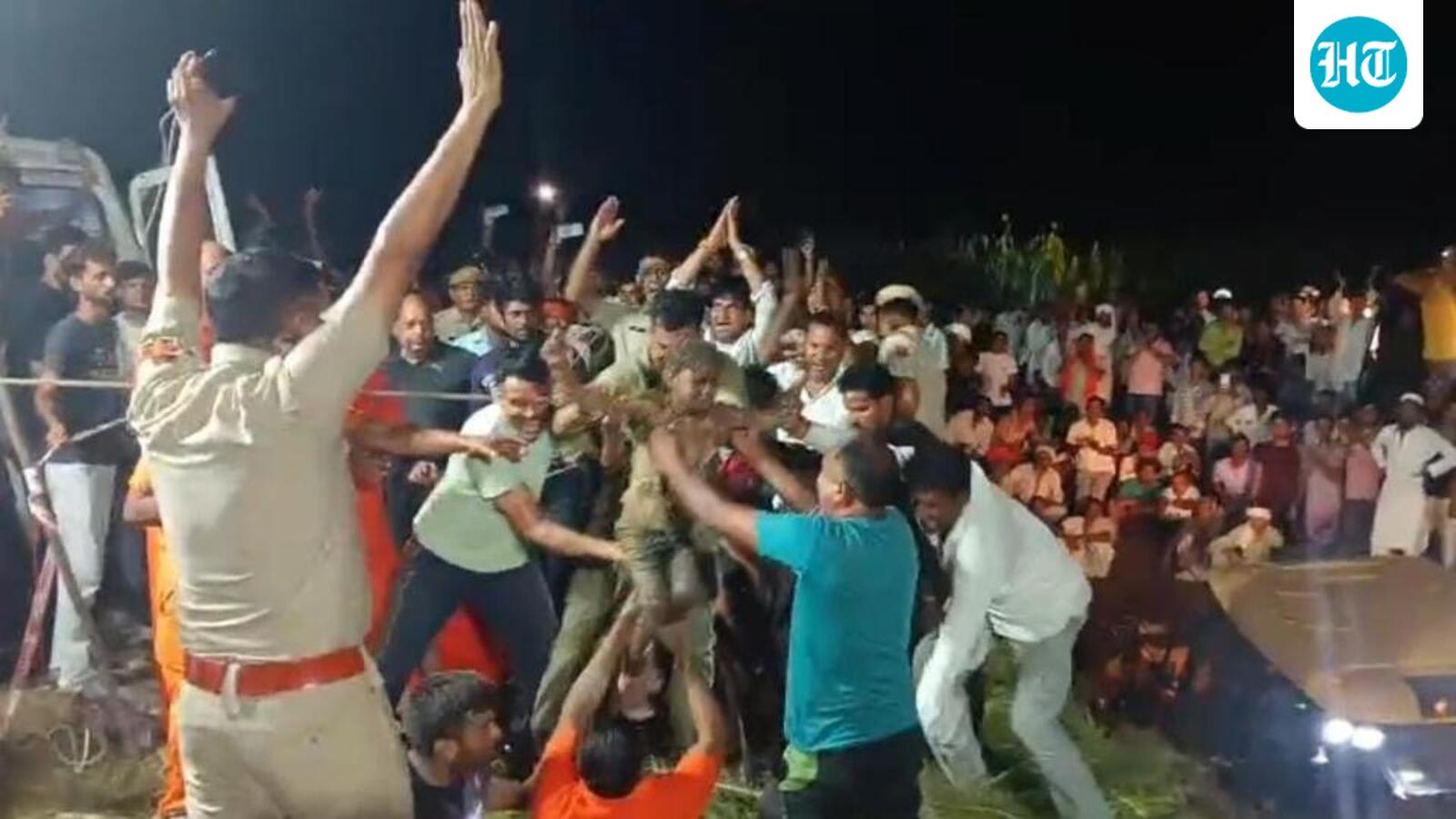
A nine-year-old boy was successfully rescued from a 45-foot open borewell in Rajasthan’s Alwar district after a five-hour operation. The incident occurred while the child was chasing a kite, prompting an immediate response from the NDRF and local administration.
The Alwar Borewell Rescue: A Narrow Escape
A harrowing incident in Butoli, Rajasthan, serves as a sobering reminder of the persistent dangers posed by abandoned or improperly covered borewells in rural India. A nine-year-old boy, distracted while chasing a kite, fell 45 feet into an open shaft when the makeshift stone covering gave way under his weight. This incident highlights the critical intersection of child safety and rural infrastructure management.
The Anatomy of the Rescue Operation
Upon the child's fall, local residents immediately attempted a rescue, reflecting the spontaneous communal response often seen in such crises. When these initial efforts proved insufficient, the district administration and police were alerted. The deployment of the National Disaster Response Force (NDRF) was pivotal, as their specialized training allowed for a cautious and calculated extraction process that prioritized the stability of the borewell walls and the child's physical safety over a five-hour period.
Infrastructure Neglect and Safety Protocols
While the rescue was successful, the underlying cause—an inadequately covered borewell—points to a systemic issue. Across India, thousands of borewells are drilled to combat water scarcity, yet many are left exposed or poorly sealed once they dry up or are no longer in use. The fact that a simple stone served as the primary barrier in this case underscores a dangerous lack of standardized safety protocols for subterranean infrastructure in agricultural regions.
The Role of Local Governance
The involvement of local officials, including the additional police superintendent and the local assembly member, emphasizes the necessity of rapid administrative mobilization. However, reactive measures are not enough. Future trends suggest that local governments must move toward proactive mapping and mandatory capping of all abandoned borewells to prevent such life-threatening accidents from recurring.
Medical Aftermath and Recovery
Following his extraction at 11:30 PM, the boy was immediately transported to the Alwar District Hospital. The medical staff’s confirmation that the child was in good health is a testament to the efficiency of the rescue team. While this story concludes with a positive health outcome, it remains a cautionary tale for families and local authorities regarding the proximity of children to hazardous, unmarked industrial or agricultural sites.
Conclusion
Ultimately, the Butoli rescue operation demonstrates the efficacy of emergency services when coordinated under pressure. To ensure long-term child safety, however, there must be a shift from emergency response to systemic prevention. Stricter enforcement of borewell covering regulations is the only way to ensure that children can play safely in rural landscapes without the constant risk of falling into man-made voids.
Verification Required?