No Road For Ambulance: Sick Andhra Woman Carried 11 km On Cot
Source Entity
NDTV News Search Records Found 1000
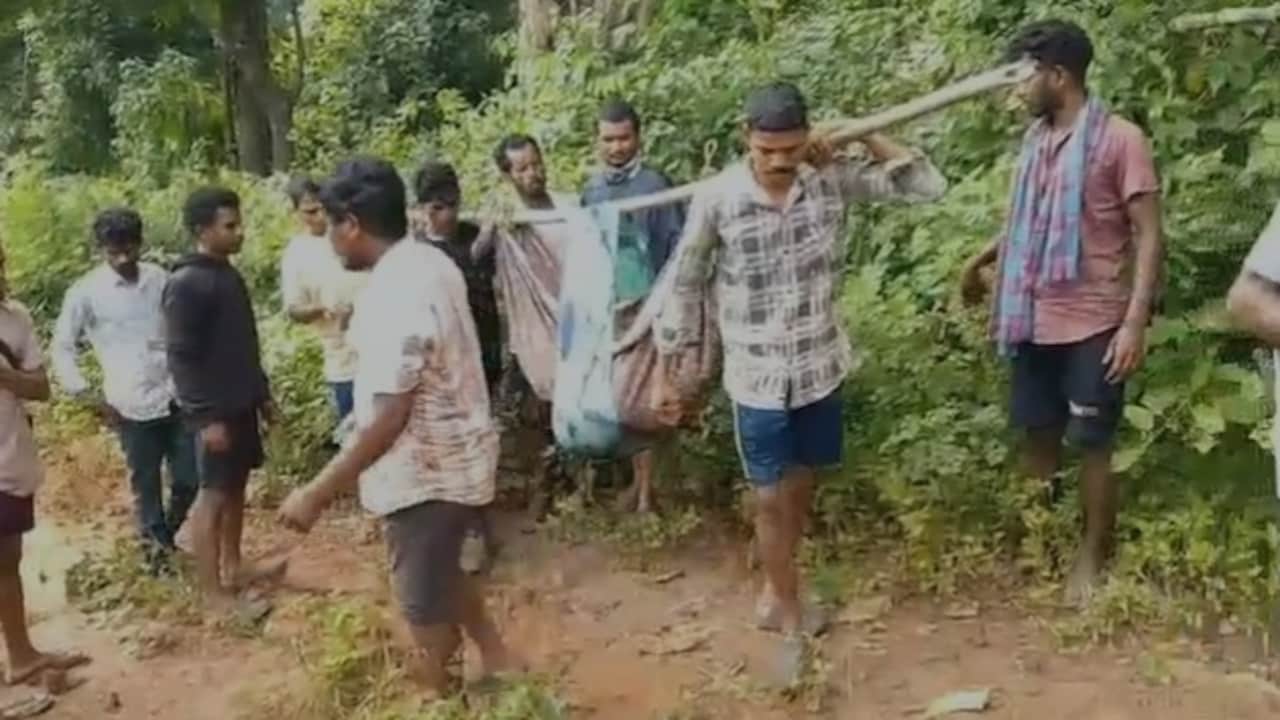
Tribal communities in Andhra Pradesh and Kerala are facing severe medical emergencies as lack of road infrastructure forces residents to carry patients on makeshift stretchers for kilometers. These recurring incidents highlight critical gaps in rural healthcare accessibility and infrastructure development.
The Crisis of Accessibility: India's Rural Healthcare Infrastructure Gap
Recent reports from Andhra Pradesh and the Edamalakkudy region of Kerala have brought to light a harrowing reality for India’s tribal populations: the life-threatening absence of basic road infrastructure. In both instances, sick individuals were forced to be transported over vast distances—11 kilometers in Andhra Pradesh and seven kilometers through dense forests in Kerala—on makeshift bamboo stretchers or 'dolis.' This primitive mode of transport underscores a systemic failure in bridging the gap between remote tribal settlements and modern medical facilities.
The Human Cost of Infrastructure Neglect
In Edamalakkudy, Kerala’s first tribal panchayat, the situation has reached a critical threshold. The recent case of Sumathi, a 40-year-old woman suffering from high fever, marks the fourth such incident within a single month. For the Muthuvan tribal community, these forest trails are not merely paths; they are the only link to survival. When infrastructure is absent, the burden of medical transport falls entirely on the community, turning routine illnesses into potential death sentences due to delayed access to hospital care.
Geographical Isolation vs. Constitutional Rights
These incidents highlight the severe logistical challenges faced by tribal panchayats located in rugged, forested terrains. While the Indian government has initiated various rural road connectivity projects, the implementation in ecologically sensitive or remote zones often stalls due to environmental clearances and terrain complexity. The result is a persistent cycle of isolation where the right to health, guaranteed under the Constitution, is effectively curtailed by the inability to reach a clinic before a condition deteriorates.
The Routine of Desperation
What is perhaps most alarming is the normalization of this practice. The fact that transporting patients on bamboo stretchers has become an 'alarming routine' suggests that local administrative mechanisms for emergency medical response in these regions are non-existent or inadequate. When panchayat officials like Binu M. openly admit that villagers have 'no other option,' it signals a failure of the state to provide basic emergency services, such as specialized all-terrain medical transport or mobile health units, to these marginalized settlements.
Future Trends and Policy Implications
Moving forward, the reliance on manual transport in the face of medical emergencies is unsustainable. Policymakers must shift from standard road-building models to innovative, terrain-specific solutions. This includes the deployment of off-road ambulance services, the establishment of satellite health centers with basic tele-medicine capabilities, and accelerated infrastructure projects that prioritize tribal welfare. Without such interventions, the cycle of tragedy in regions like Edamalakkudy and the tribal belts of Andhra Pradesh will likely continue, further widening the health equity gap in India.
Verification Required?