Who is a ‘distinguished jurist’, and why has India never appointed one to the Supreme Court?
Source Entity
Amaal Sheikh
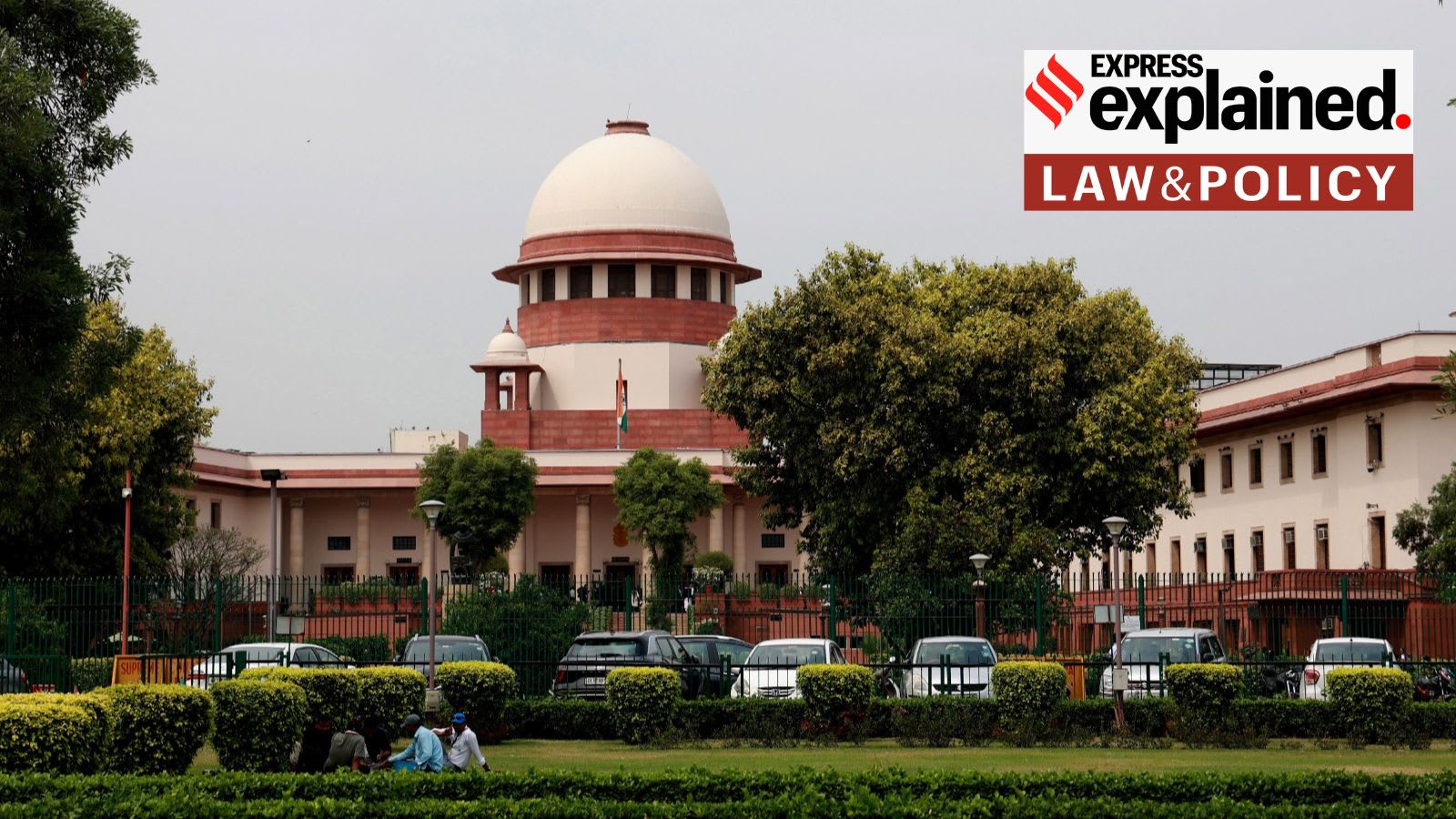
Supreme Court Justice Ujjal Bhuyan has highlighted the long-standing failure to utilize the 'distinguished jurist' provision under Article 124(3) of the Indian Constitution. This constitutional route, which allows legal academics to be appointed as Supreme Court judges, remains unused after 76 years.
The Unused Mandate: Revisiting Article 124(3)
For over 76 years, the Indian Constitution has contained a provision that remains one of its most intriguing, yet dormant, features. Article 124(3) outlines the qualifications for appointment as a Supreme Court judge, providing three distinct paths: serving as a High Court judge for five years, serving as an advocate for ten years, or being, in the opinion of the President, a “distinguished jurist.” Recently, Supreme Court Justice Ujjal Bhuyan brought this “unused mandate” back into the public discourse during the 13th convocation address at the National Law University, Delhi.
Defining the ‘Distinguished Jurist’
The term “distinguished jurist” is not explicitly defined within the constitutional text, leaving its interpretation to the discretion of the executive and the appointing authorities. Historically, the Indian judiciary has been populated almost exclusively by those rising through the ranks of the High Courts or the Bar. The failure to appoint a jurist—typically understood as an eminent legal academic or scholar—suggests a systemic preference for practitioners over theorists, despite the potential value that academic rigor could bring to the highest court of the land.
The Argument for Diversity
Justice Bhuyan’s recent remarks emphasize that the inclusion of a distinguished jurist would significantly “diversify the Bench.” By integrating individuals who have spent their careers analyzing the law, legal philosophy, and constitutional theory, the Supreme Court could benefit from perspectives that differ from those formed solely through litigation. This diversity of thought is essential for evolving jurisprudence, especially in cases involving complex socio-legal questions that require a deep understanding of legal history and academic discourse.
Historical Context and Constitutional Intent
The framers of the Constitution clearly intended for this provision to be an active tool, not a decorative one. By including it in Article 124(3), they sought to ensure that the Supreme Court could draw upon the best legal minds in the country, regardless of whether they had spent time in traditional courtrooms. The fact that this route has never been taken suggests an institutional hesitation or a lack of political initiative to look beyond traditional recruitment pipelines for the judiciary.
Implications for Future Appointments
As the legal landscape in India grows more complex, the call to activate this provision gains relevance. The academic community serves as a vital repository of legal research and critical analysis. Elevating a scholar to the Supreme Court could bridge the gap between abstract legal theory and practical judicial application. While the UPSC and legal educators continue to highlight this provision in academic curricula, the transition from classroom theory to constitutional practice remains a distant reality.
Conclusion
The discourse surrounding the appointment of a distinguished jurist is not merely an academic exercise; it is a challenge to the status quo of judicial appointments. Justice Bhuyan’s intervention serves as a necessary reminder that the Constitution offers paths for institutional growth that have remained neglected for decades. Whether the executive will eventually utilize this provision to broaden the expertise of the Supreme Court remains one of the most significant open questions in Indian constitutional law.
Multiple Citing Sources