Brazil condemns US move to impose 25% tariffs next week
Source Entity
Associated Press
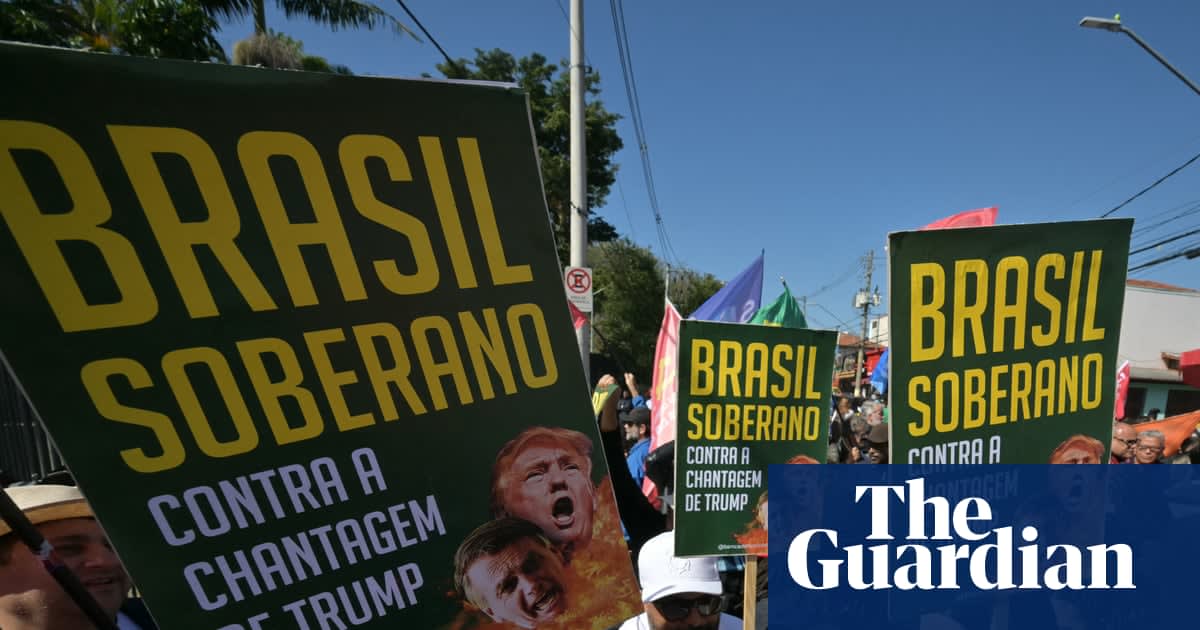
Brazil has formally condemned the US government's decision to impose 25% tariffs on specific Brazilian products, denying allegations of unfair trade practices while facing criticism from US officials over President Lula's policies.
Escalating Trade Tensions: Brazil Repudiates US Tariff Imposition
In a significant blow to diplomatic and economic relations between the two largest economies in the Americas, the Brazilian government has officially condemned the United States' decision to impose 25% tariffs on a variety of Brazilian exports. The move, initiated by the Trump administration, follows an investigation into what the US describes as "unfair trade practices." This escalation marks a volatile shift in bilateral trade, signaling a move toward protectionism that threatens to destabilize the economic interdependence of the two nations.
The Mechanics of the Trade Dispute
The imposition of a 25% tariff is a heavy-handed economic tool typically used to force trading partners to alter their domestic policies or to protect domestic industries from perceived undercutting. By citing "unfair trade practices," the US administration is likely targeting specific sectors where Brazil holds a competitive advantage—potentially in steel, aluminum, or agricultural commodities. Brazil's swift denial of these allegations through President Luiz Inácio Lula da Silva’s office suggests a fundamental disagreement over the interpretation of international trade laws and the legitimacy of the US investigation.
Ideological Friction and Geopolitical Clashes
Beyond the balance sheets, this trade war is deeply rooted in ideological divergence. The commentary from Marco Rubio, who characterized President Lula’s policies as "bad for Americans and bad for Brazilians," highlights a broader political conflict. While the Lula administration emphasizes social welfare and South-South cooperation, the Trump administration's "America First" doctrine prioritizes aggressive bilateral gains and the reduction of trade deficits. This friction suggests that the tariffs are not merely economic corrections but are being used as political leverage to pressure the Brazilian government to align more closely with US interests.
Economic Implications for Brazil
For Brazil, a 25% tariff on key exports could lead to a significant decrease in GDP growth and a widening trade deficit. Because the US is one of Brazil's most critical trading partners, the sudden increase in cost for Brazilian goods makes them less competitive in the American market. This could lead to production cuts in Brazilian industrial hubs, potential job losses, and a forced pivot toward other markets. The Brazilian government's decision to "repudiate" the move indicates that they view this not as a negotiable trade disagreement, but as an affront to their national sovereignty.
Broader Global Trends and Future Outlook
This event reflects a growing global trend of "de-risking" and the weaponization of trade policy. If Brazil chooses to retaliate with its own tariffs on US goods, it could spark a full-scale trade war, potentially pushing Brazil closer to other BRICS partners, specifically China, to offset the loss of US market access. Historically, such disputes are often resolved through WTO mediation or bilateral treaties, but given the current political climate, a diplomatic resolution may be slow. We can expect a period of heightened volatility in currency markets and a strategic realignment of Brazilian trade priorities.
Conclusion
The clash between the US and Brazil over these tariffs is a symptom of deeper political and economic fractures. While the US seeks to enforce its trade standards through punitive measures, Brazil views these actions as unjustified aggression. The outcome of this dispute will likely determine the trajectory of Western Hemisphere diplomacy for years to come, testing whether economic pragmatism can prevail over ideological confrontation.