Drones Intercepted Over Iraq's Erbil, Air Defences Activated As Missile Threat Sparks Panic
Source Entity
Latest News: Today's Latest News Headlines from India & World | Hindustan Times | Hindustan Times
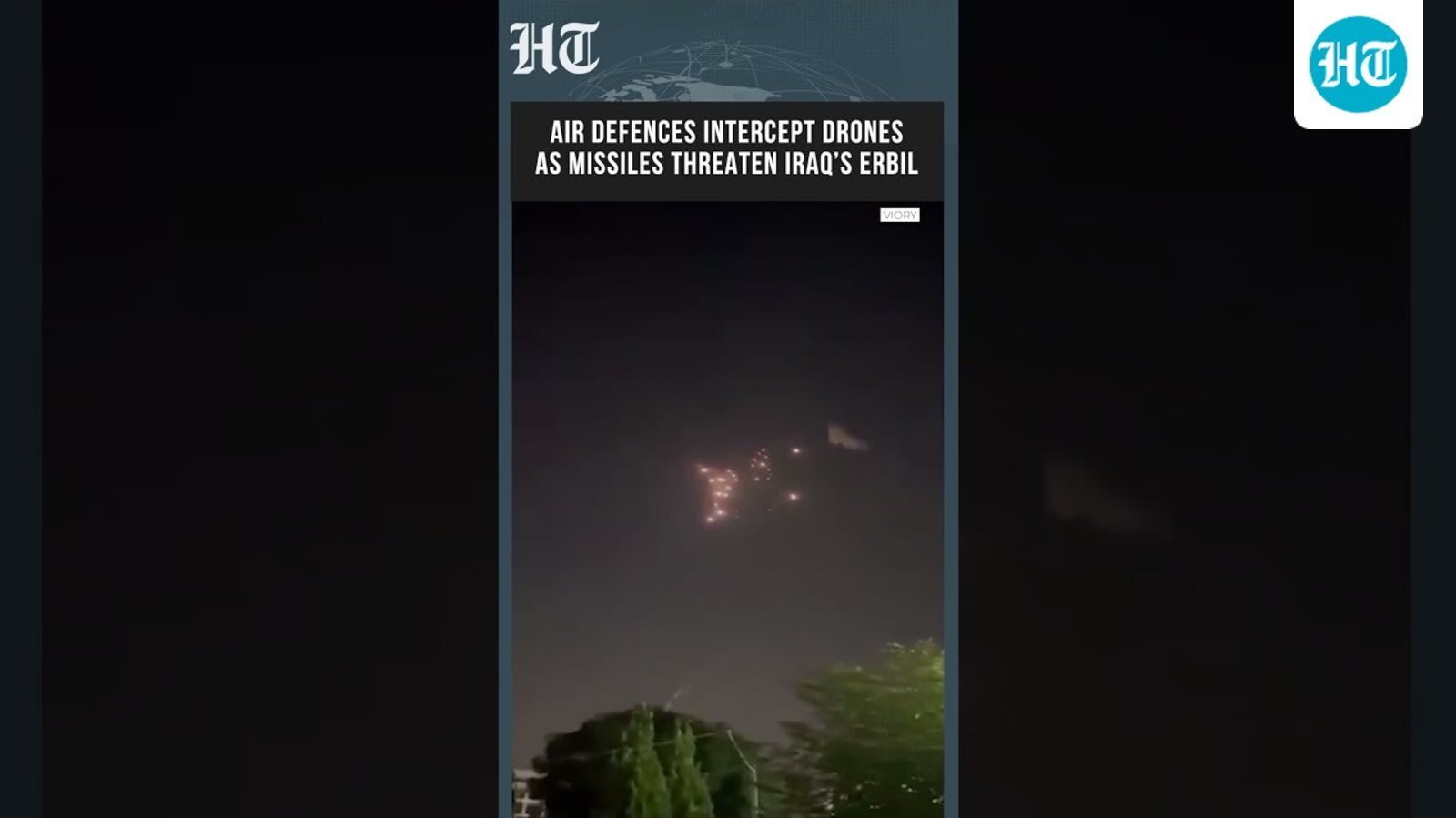
Air defense systems were activated in Erbil, Iraq, following the interception of drones and reports of incoming missile threats, signaling heightened regional instability and the risk of broader conflict in the Middle East.
Escalation in Erbil: Analyzing the Drone Interceptions and Regional Fallout
In a sudden surge of volatility, air defense systems were activated over Erbil, the capital of the Kurdistan Region of Iraq (KRI), following the interception of drones and reports of imminent missile threats. This event has triggered widespread panic among the local population and sent a clear signal of the precarious security environment currently gripping the region. The immediate activation of air defenses suggests a high-alert status, indicating that intelligence services had detected a credible threat, likely originating from non-state actors or regional proxies seeking to disrupt the stability of Northern Iraq.
The Strategic Significance of Erbil
To understand why Erbil is a focal point for such incursions, one must look at its strategic and diplomatic positioning. Erbil serves as the administrative heart of the KRI and hosts a significant presence of international diplomatic missions, most notably the United States Consulate. Because of this, the city often becomes a proxy target for those wishing to send a message to Western powers without initiating a direct state-on-state war. The use of drones in this context allows perpetrators to maintain a degree of plausible deniability while demonstrating the ability to penetrate sophisticated air defense networks, thereby challenging the perceived security umbrella provided by international coalitions.
The Evolution of Drone Warfare in the Middle East
This incident underscores a broader shift in Middle Eastern military tactics: the normalization of Unmanned Aerial Vehicle (UAV) warfare. Drones have transitioned from surveillance tools to primary offensive weapons due to their low cost, ease of deployment, and ability to bypass traditional radar systems. The interception of these drones in Erbil is not an isolated event but part of a larger pattern where asymmetric warfare is used to harass strategic hubs. This trend forces defending forces to invest heavily in short-range air defense (SHORAD) systems, as the cost of intercepting a cheap drone with a million-dollar missile creates a strategic economic imbalance for the defender.
Regional Instability and the 'Wider Conflict' Risk
The reported missile threat and drone activity are inextricably linked to the intensifying tensions across the Middle East. With multiple fronts currently active—ranging from the Levant to the Persian Gulf—Iraq often finds itself as the geographic crossroads of these rivalries. The 'growing instability' mentioned in the reports likely refers to the friction between Iran-backed militias and Western interests. When air defenses are activated in response to such threats, it increases the risk of a 'miscalculation.' A single intercepted drone that is mistakenly identified as a state-sponsored attack could trigger a retaliatory strike, potentially spiraling into a wider regional conflict involving neighboring sovereign states.
Implications for Iraq's Sovereignty and Security
For the Iraqi government and the Kurdish Regional Government (KRG), these security breaches highlight a persistent struggle to maintain absolute sovereignty over their airspace. The reliance on foreign-operated air defense systems to protect Erbil illustrates a gap in domestic capabilities. Furthermore, the psychological impact on the civilian population—characterized by the 'panic' mentioned in the reports—erodes confidence in local governance and stability, which can hinder economic investment and long-term reconstruction efforts in the KRI.
Conclusion: A Fragile Equilibrium
In summary, the drone interceptions over Erbil are more than mere tactical skirmishes; they are symptomatic of a fragile regional equilibrium. The activation of air defenses serves as a necessary deterrent, but it does not address the root causes of the aggression. Moving forward, it is probable that we will see an increase in the deployment of electronic warfare (EW) capabilities in the region to jam drone signals before they reach their targets. Until a broader diplomatic resolution is reached regarding the presence of foreign forces and the activities of regional proxies, Erbil will likely remain a volatile flashpoint in the larger geopolitical struggle for influence in the Middle East.
Verification Required?