US forces disable ‘non-compliant’ vessel in Arabian Gulf
Source Entity
The Indian Express
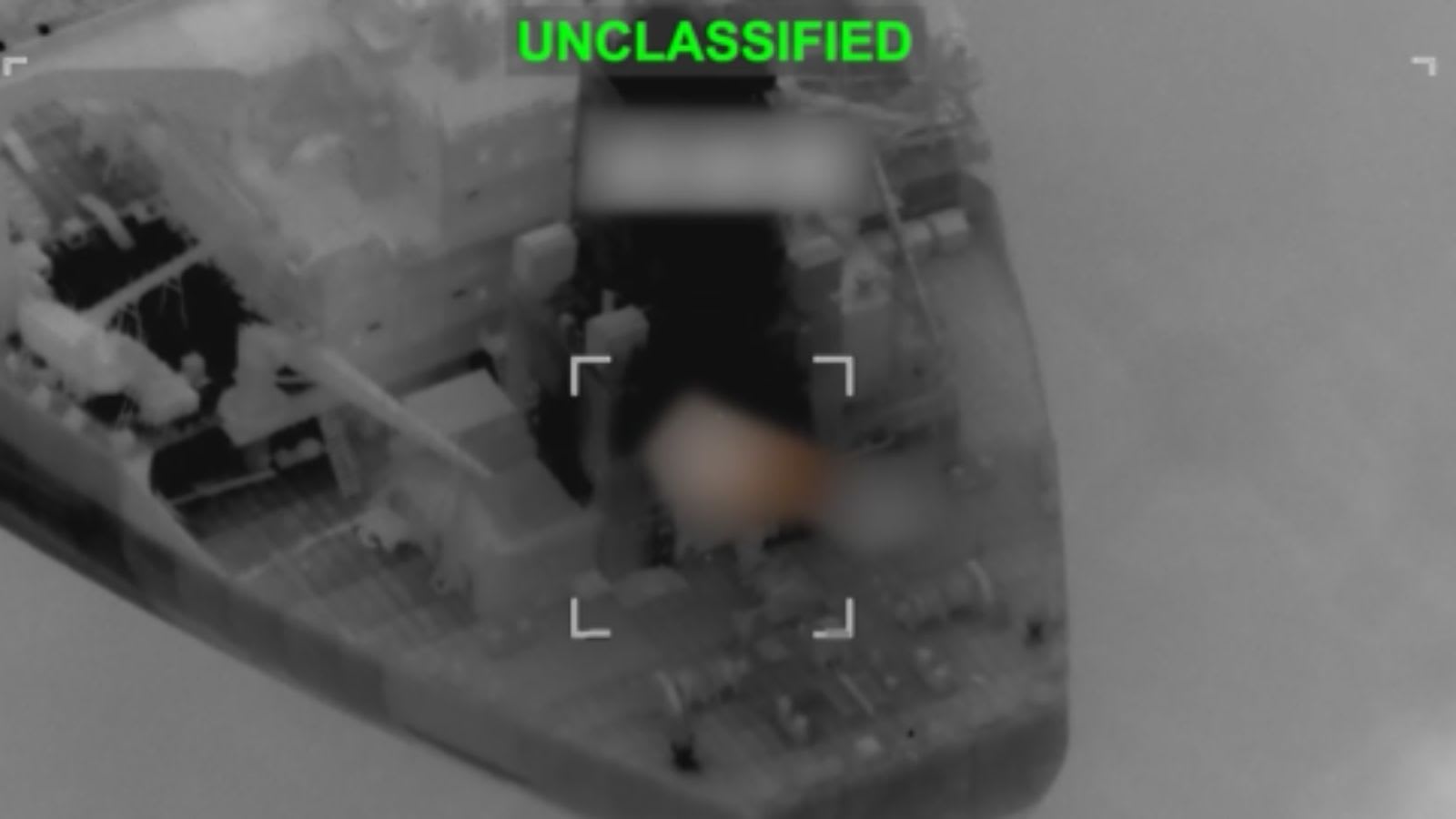
US Central Command (CENTCOM) forces disabled the Curacao-flagged oil tanker M/T Belma in the Arabian Gulf after the vessel attempted to violate a US-led naval blockade.
US Maritime Interdiction: The Disabling of M/T Belma
In a significant demonstration of maritime enforcement, the United States Central Command (CENTCOM) has reported the disabling of the M/T Belma, a Curacao-flagged oil tanker. The vessel was intercepted in the Arabian Gulf after attempting to violate a US naval blockade. According to official reports, the tanker was unladen at the time of the encounter, but its refusal to comply with naval directives led to a tactical intervention. This event underscores the high-tension environment of the Arabian Gulf, where the US maintains a robust presence to ensure regional stability and enforce international sanctions and blockades.
Tactical Execution and Non-Compliance
The term "disabled" in a naval context typically refers to the use of non-lethal or precision force to render a vessel unable to maneuver or maintain its course, forcing it to stop for boarding and inspection. The M/T Belma's classification as "non-compliant" suggests that the crew ignored repeated warnings and hails from US naval assets. Such defiance is often viewed by naval commanders as a deliberate attempt to evade scrutiny, potentially to hide the origin or destination of cargo, or to test the resolve of the blockade. The decision to disable the vessel highlights the US military's commitment to the integrity of its maritime exclusion zones.
The Role of 'Flags of Convenience'
Notably, the M/T Belma is flagged in Curacao. The use of "flags of convenience" (FOC) is a common practice in the global shipping industry, where ship owners register their vessels in countries other than their own to enjoy lower taxes, reduced regulation, or greater anonymity. However, in the context of sanctions evasion and blockade running, FOCs are frequently exploited to mask the true beneficial ownership of a vessel. By analyzing the M/T Belma's registration, analysts can see a recurring pattern in the "dark fleet" of tankers that operate on the fringes of international law to move commodities in defiance of geopolitical restrictions.
Geopolitical Implications for the Arabian Gulf
The Arabian Gulf is one of the world's most critical maritime chokepoints, primarily due to the Strait of Hormuz. Any disruption or escalation in this region has immediate ripple effects on global energy markets. The US naval blockade mentioned in this incident is part of a broader strategic framework intended to limit the capabilities of adversarial actors or to prevent the illicit flow of resources. By aggressively policing these waters, the US signals to both allies and adversaries that its maritime boundaries and policy mandates are non-negotiable, thereby attempting to deter further violations.
Historical Context of Naval Interdiction
This operation does not occur in a vacuum but is part of a long history of US naval activity in the Middle East. From the "Tanker War" of the 1980s to the more recent operations to counter Iranian influence and piracy in the Gulf of Aden, the US has long viewed the Arabian Gulf as a zone of vital national interest. The shift toward disabling non-compliant vessels reflects an evolution in rules of engagement, moving toward a more proactive stance against vessels that exhibit behaviors consistent with sanctions evasion or hostile intent.
Future Trends in Maritime Security
Looking forward, this incident suggests a trend toward increased surveillance and more aggressive interdiction of the "dark fleet." As satellite tracking (AIS) becomes more sophisticated, the ability for tankers like the M/T Belma to "go dark" and evade detection is diminishing. We can expect the US and its coalition partners to increase the frequency of these interceptions, utilizing a combination of drone surveillance and rapid-response naval teams. The focus will likely remain on dismantling the networks that provide the logistical support for blockade-running vessels.
Conclusion
The disabling of the M/T Belma is a clear signal of the US military's intent to maintain strict control over naval blockades in the Arabian Gulf. By targeting a non-compliant, Curacao-flagged vessel, CENTCOM has reinforced the legal and tactical boundaries of the region's maritime security architecture. While the vessel was unladen, the act of defiance itself served as the catalyst for action, ensuring that the blockade remains a credible deterrent against illicit maritime activity.