Breast cancer screening: Mammogram, ultrasound or MRI? Doctor explains which imaging test you need and when
Source Entity
Latest News: Todays Latest News Headlines from India & World | Hindustan Times
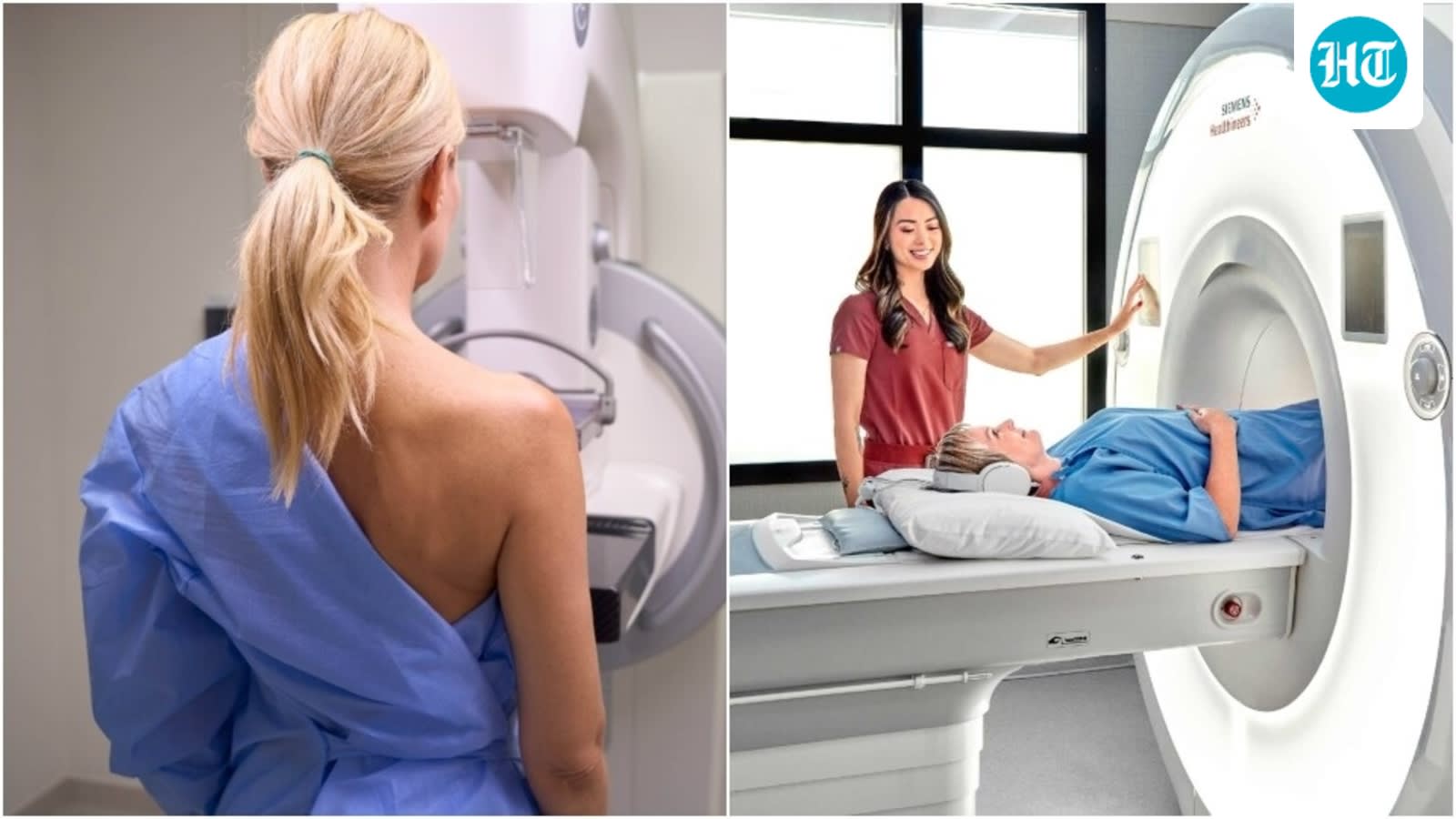
Medical experts emphasize that breast cancer screening tools like mammograms, ultrasounds, and MRIs are complementary rather than interchangeable. The choice of diagnostic imaging depends on individual factors such as age, breast density, personal symptoms, and medical history.
Understanding Breast Cancer Screening Modalities
Breast cancer screening is a critical component of preventative healthcare, yet the variety of available diagnostic tools often leads to patient confusion. As highlighted by medical professionals, the decision to utilize a mammogram, ultrasound, or MRI is not a matter of clinical preference or cost, but a strategic selection based on the unique physiological profile of the patient. These imaging modalities serve distinct functions, and understanding their specific applications is vital for early detection and effective patient outcomes.
The Role of Mammography in Routine Screening
Mammography remains the gold standard for routine breast cancer screening. It uses low-dose X-ray technology to visualize internal breast tissue and is particularly effective at detecting calcifications and masses. Because it is highly efficient at identifying early-stage changes, it serves as the primary tool for population-level screening, especially in women over a certain age. However, its efficacy can be limited in women with dense breast tissue, where the appearance of healthy tissue can obscure potential abnormalities.
Ultrasound and MRI: Precision Imaging
When a mammogram reveals inconclusive results or when a patient presents with specific symptoms, physicians often pivot to ultrasound or MRI. Ultrasound, which utilizes sound waves, is an excellent secondary tool for distinguishing between fluid-filled cysts and solid masses. It provides real-time imaging that is particularly useful for targeted diagnostics. Conversely, MRI uses strong magnetic fields and radio waves to create detailed images. It is frequently employed for high-risk patients or when a more nuanced view of the tissue architecture is required, acting as a powerful adjunct to standard screening.
The Importance of Individualized Care
Clinical decision-making is rooted in the patient's individual medical history. Factors such as genetic predisposition, previous surgeries, and current breast density significantly influence which diagnostic path a doctor will recommend. By assessing these variables, healthcare providers can minimize the risk of false positives while maximizing the sensitivity of the screening process, ensuring that the right patient receives the right test at the right time.
Future Trends in Diagnostic Imaging
As medical technology evolves, the integration of these modalities is becoming more sophisticated. The future of breast cancer screening lies in the transition toward 'personalized screening protocols,' where artificial intelligence may assist in interpreting complex images across multiple modalities. By synthesizing data from mammograms, ultrasounds, and MRIs, clinicians will be better equipped to tailor screening intervals and methods to the individual, ultimately improving the accuracy of early detection and the overall prognosis for patients worldwide.
Verification Required?