Elephant in the room in meetings with Xi Jinping, Vladimir Putin: India’s manufacturing challenges
Source Entity
C. Raja Mohan
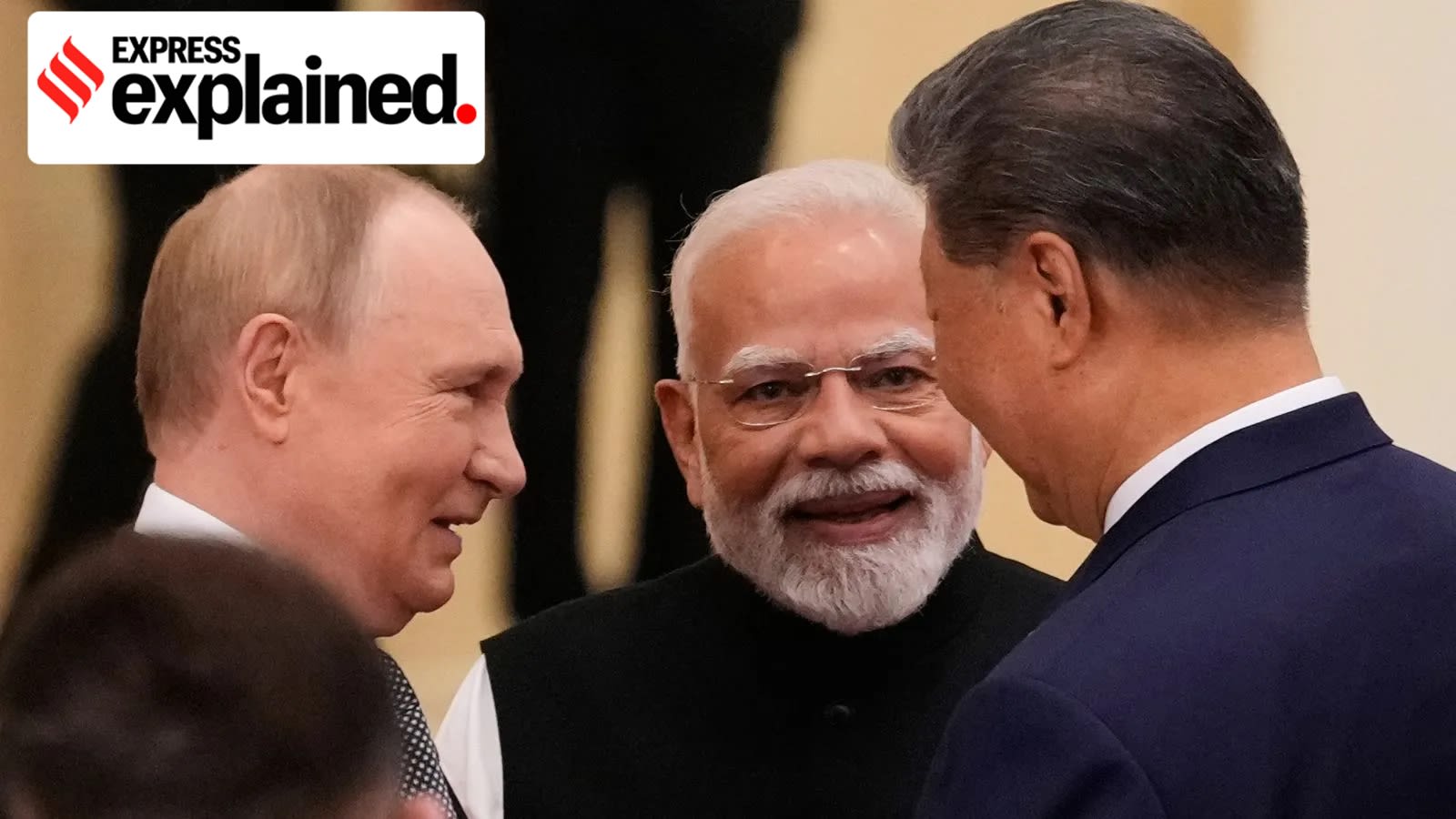
New Delhi is hosting the 18th BRICS Leaders' Summit at Bharat Mandapam on September 12-13, 2026. Prime Minister Narendra Modi will lead discussions focused on global governance, trade, and economic resilience among the 11 member nations.
The 18th BRICS Summit: A Milestone in Global Diplomacy
On September 12 and 13, 2026, New Delhi serves as the global epicenter for the 18th BRICS Leaders’ Summit. Held at the iconic Bharat Mandapam, this high-stakes gathering marks exactly 20 years since the formalization of the grouping. As the host, Prime Minister Narendra Modi is set to welcome leaders from 11 major emerging economies, underscoring India's pivotal role in shaping the trajectory of the Global South and international cooperation.
A Structured Agenda for Global Challenges
The summit is organized into a rigorous two-day schedule designed to facilitate both diplomatic ceremony and substantive policy debate. The first day features a packed itinerary including a formal welcome, a joint tree plantation, and a gala dinner hosted by PM Modi. Central to the proceedings is the closed-door session titled 'Inclusive Global Governance and Strengthening Multilateralism,' which aims to address the shifting dynamics of international relations in an increasingly multipolar world.
Core Pillars of Cooperation
The agenda for the 18th summit is anchored in several critical themes: building resilience, promoting trade and investment, and fostering technological collaboration. Discussions are expected to focus heavily on food and energy security, health infrastructure, and disaster management. By focusing on these vital sectors, BRICS member countries are seeking to fortify their critical supply chains against external shocks, reflecting a collective move toward economic self-reliance and mutual support.
Diplomatic Engagement and Outreach
A notable feature of the 2026 summit is the two-tiered engagement structure. While the first day is dedicated to core BRICS member state deliberations, the second day, Sunday, serves as an outreach platform. Leaders of partner countries and invited guests will join the proceedings, broadening the scope of the conversation to include regional and global governance issues that impact the wider international community.
Future Trends and Strategic Implications
As the summit progresses, the focus remains on the group's ability to navigate complex geopolitical landscapes. The emphasis on 'inclusive governance' suggests a long-term goal of reforming international institutions to better reflect the realities of emerging economies. The potential for bilateral side-meetings, such as the reported interest in a meeting between Prime Minister Modi and President Xi, highlights the summit's secondary role as a venue for resolving regional tensions through direct, high-level dialogue.
Conclusion
In summary, the 18th BRICS Summit in New Delhi represents more than just a diplomatic gathering; it is a strategic assertion of the relevance of emerging economies in the 21st century. By prioritizing collective resilience and multilateral cooperation, the member states are positioning themselves to lead on critical global issues, ensuring that the legacy of the past two decades evolves into a robust framework for future economic and political stability.
Multiple Citing Sources