Watch: Malaysian PM sings Kishore Kumar's 'Khwaab Ho Tum ...' at Brics gala dinner
Source Entity
SUBHADRA SRIVASTAVA
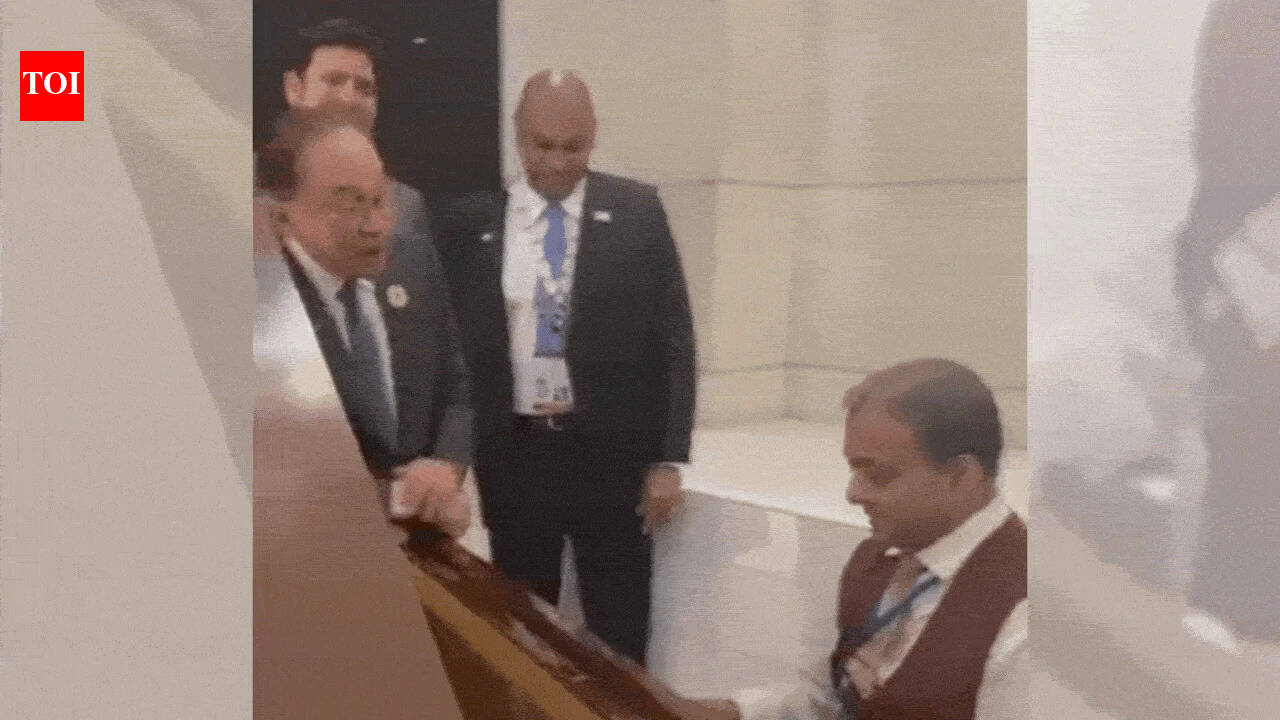
The BRICS summit at Bharat Mandapam served as a significant stage for both international diplomacy and domestic political posturing. PM Modi's hosting of global leaders like Putin and Xi, coupled with viral cultural exchanges, underscores the event's multifaceted impact.
The Geopolitical Significance of the BRICS Summit
The recent BRICS summit held at the iconic Bharat Mandapam in New Delhi has emerged as a pivotal moment for Indian diplomacy. By bringing together world leaders such as Russian President Vladimir Putin and Chinese President Xi Jinping for a high-profile family photo, the summit underscored India’s growing stature as a central mediator in a fragmented global order. The choice of venue itself serves as a symbol of India's modernized infrastructure, projecting an image of a nation ready to facilitate complex multilateral dialogue on the world stage.
Soft Power and Cultural Diplomacy
Beyond the high-stakes policy discussions, the summit served as a stage for soft power projection. A notable highlight was the viral moment featuring the Malaysian Prime Minister singing Kishore Kumar’s classic, 'Khwaab Ho Tum...', during the gala dinner. Such instances of cultural diplomacy are essential in international relations, as they humanize global leaders and foster personal rapport. By engaging with Indian cinema, the Malaysian leadership highlighted the deep cultural links that transcend purely economic or political ties, providing a warmer, more relatable narrative to the summit's proceedings.
Domestic Political Implications
For the ruling Bharatiya Janata Party (BJP), the successful execution of the summit carries significant weight in the domestic political arena. By showcasing a seamless, high-level diplomatic gathering, the government reinforces its narrative of 'Vishwa Mitra'—or friend to the world. Such events are often leveraged to boost the party's image, suggesting that the current administration possesses the necessary gravitas and operational efficiency to manage complex international relationships, thereby consolidating domestic support.
Multilateralism in a Shifting World
The assembly of leaders from disparate geopolitical backgrounds at Bharat Mandapam highlights the continued relevance of the BRICS framework. Despite existing tensions between various member states, the ability to convene for a collective 'family photo' suggests a mutual recognition of the need for a multipolar global dialogue. This gathering serves as a testament to the fact that, despite competing national interests, there is a shared desire to participate in platforms that provide an alternative to traditional Western-led economic and political forums.
Future Trends in Indian Diplomacy
Looking ahead, the success of this summit signals a shift in how India approaches international hosting duties. By integrating cultural touchpoints with high-level strategy, India is effectively branding itself as a unique global hub. The political capital gained from this summit will likely influence future policy decisions, as the government seeks to maintain this momentum in upcoming international engagements, ultimately aiming to balance its strategic autonomy with its role as a bridge-builder between the Global North and the Global South.