Xi's 5-point action plan for Brics may see red flags go up in India
Source Entity
SIDHARTHA
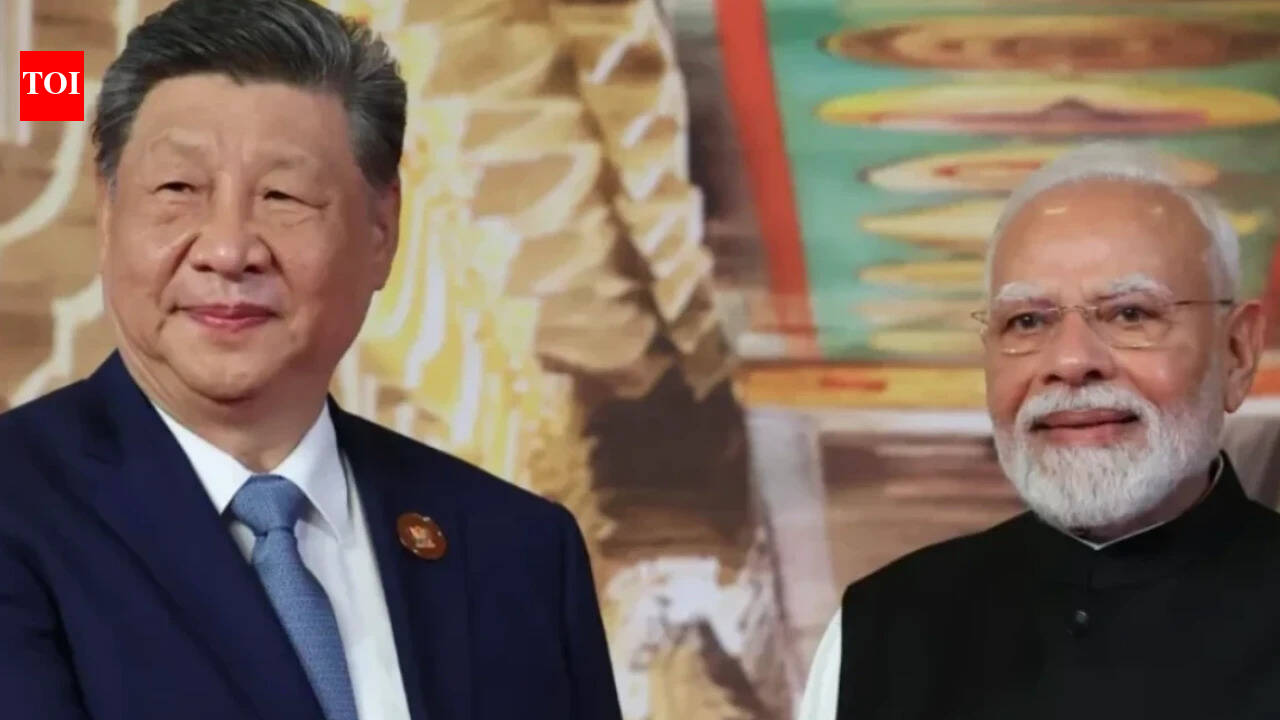
PM Modi and President Pezeshkian met during the BRICS summit in New Delhi to discuss regional stability, economic security, and critical infrastructure. The talks emphasized the India-UAE-linked IMEC project and the urgent need for open, secure maritime trade routes amidst escalating Middle Eastern tensions.
Strategic Alignment at the 2026 BRICS Summit
The 18th BRICS summit in New Delhi has served as a critical platform for high-level diplomatic engagement, specifically focusing on the evolving partnership between India and the UAE, as well as the pressing concerns raised by Iran. Prime Minister Narendra Modi’s discussions regarding the India-Middle East-Europe Economic Corridor (IMEC) underscore a strategic shift toward bolstering energy infrastructure and regional connectivity. This initiative represents a transformative phase in India-UAE relations, aiming to integrate logistical networks that could redefine trade flows across the Eurasian landmass.
The Intersection of Economic and Regional Security
Iranian President Masoud Pezeshkian’s arrival in New Delhi brought a stark focus to the geopolitical volatility currently impacting the Middle East. During the BRICS Business Forum, President Pezeshkian articulated a firm stance, asserting that economic security is inextricably linked to national and regional stability. He highlighted that the extensive sanctions imposed on Iran have entered a 'far more dangerous phase,' which he explicitly attributes to active military aggression by the US and Israel. This rhetoric highlights the friction points that continue to challenge the BRICS bloc’s aspiration for a unified economic framework.
Navigating Maritime Safety and Global Trade
Amidst the backdrop of spiked regional tensions, Prime Minister Modi utilized the summit to emphasize the necessity of secure sea lanes and the protection of seafarers. As Iran and other regional players face economic isolation, the safety of maritime trade routes becomes a paramount concern for India, which relies heavily on these corridors for energy imports and exports. The meeting between PM Modi and President Pezeshkian served as a crucial dialogue point to reiterate the importance of diplomatic engagement in maintaining stable maritime navigation.
The IMEC Vision and Future Trends
Looking forward, the success of the India-UAE cooperation on IMEC will likely depend on the stabilization of the broader Middle Eastern political climate. By prioritizing infrastructure and energy connectivity, India is positioning itself as a vital mediator and economic hub. However, the 'dangerous phase' of economic pressure described by the Iranian leadership suggests that future summits will require more robust conflict resolution mechanisms to ensure that major infrastructure projects are not derailed by regional hostilities.
Conclusion: A Path Toward Multilateral Stability
The convergence of these leaders in New Delhi demonstrates that while BRICS remains a platform for economic cooperation, it is increasingly becoming a forum for managing the security implications of global trade. The commitment to dialogue and the focus on open sea routes signify a collective recognition that economic growth cannot be sustained without a stable security architecture. As India continues to elevate its ambitions with partners like the UAE, the ability to balance these relationships while addressing the grievances of nations like Iran will define the success of India's foreign policy in the coming years.
Multiple Citing Sources