Russia's Putin proposes new insurance system and grain market for Brics nations
Source Entity
Latest News: Todays Latest News Headlines from India & World | Hindustan Times | Hindustan Times
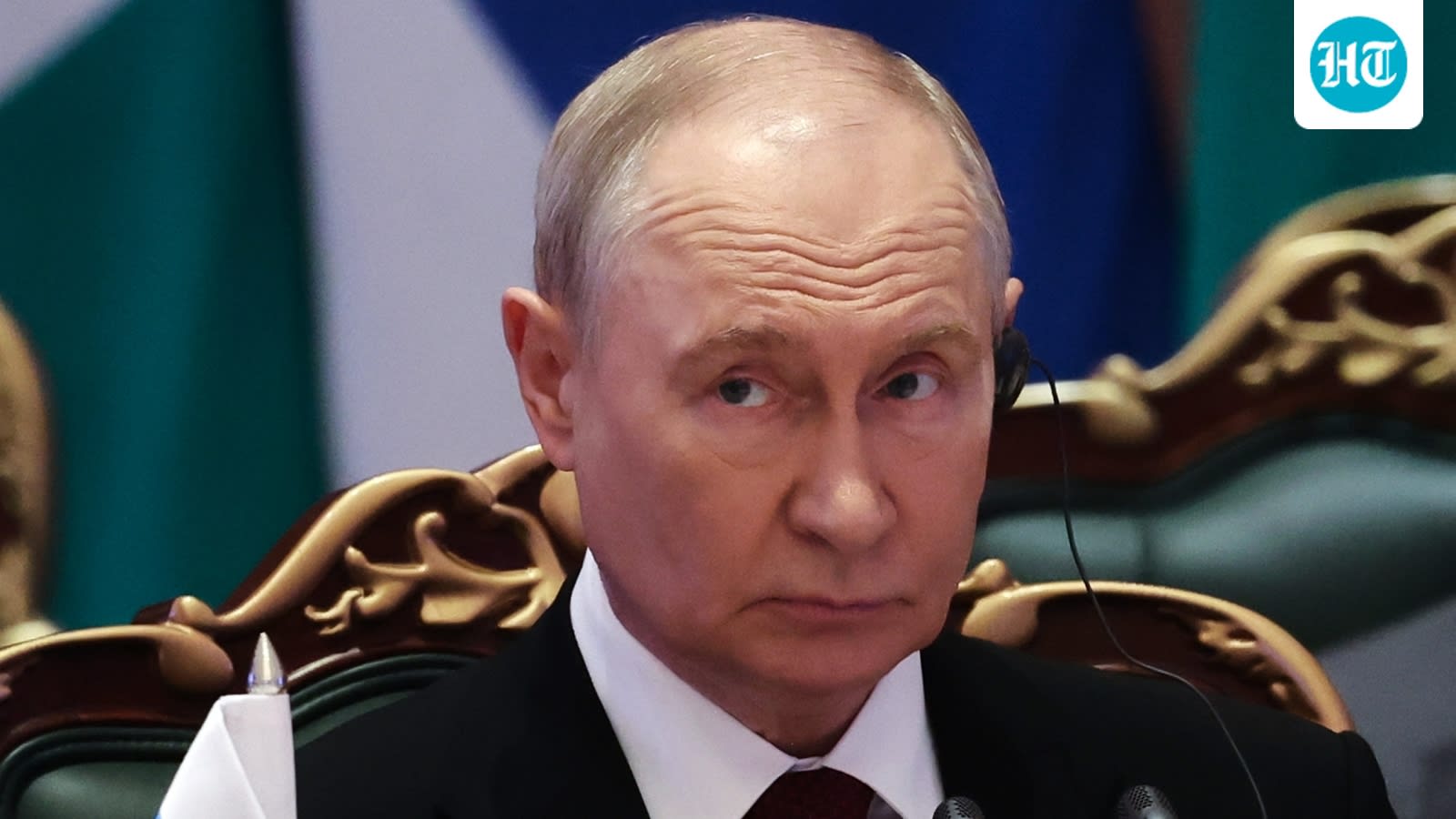
At the 18th BRICS summit in New Delhi, PM Modi and Iranian President Pezeshkian emphasized regional security, economic stability, and the protection of maritime trade routes. The discussions highlighted the growing strategic importance of India-UAE ties and the urgent need for dialogue amidst escalating Middle Eastern tensions.
Strategic Diplomacy at the 18th BRICS Summit
The 18th BRICS summit, hosted in New Delhi, has emerged as a critical focal point for geopolitical recalibration. As global leaders convene, the meeting between Prime Minister Narendra Modi and Iranian President Masoud Pezeshkian underscores the complex intersection of economic ambition and regional volatility. The summit serves as a platform for nations to address the dual challenges of infrastructure development and the preservation of global security architectures.
Advancing the India-UAE Partnership
Prime Minister Modi’s dialogue regarding the India-UAE relationship highlights a transformative period in bilateral ties. By focusing on the India-Middle East-Europe Economic Corridor (IMEC) and shared energy infrastructure, India and the UAE are positioning themselves as central architects of a new trade paradigm. This ambition reflects a broader move to diversify supply chains and stabilize energy flows, which remain critical for India's burgeoning industrial growth and the UAE’s long-term economic vision.
Iran’s Perspective on Economic and National Security
President Pezeshkian’s address at the BRICS Business Forum brought the harsh realities of international sanctions to the forefront. By arguing that economic security is inextricably linked to national and regional stability, Iran is challenging the current global order. The assertion that these pressures have entered a 'far more dangerous phase' due to active aggression from the US and Israel highlights the volatile environment in which these economic discussions are taking place.
The Imperative of Maritime Security
Amidst the rhetoric, Prime Minister Modi’s emphasis on secure sea lanes and the safety of seafarers serves as a pragmatic anchor for the summit. With tensions in the Middle East spiking, the vulnerability of critical maritime chokepoints has become a primary concern for BRICS nations. The call for open sea routes is not merely a diplomatic platitude but a necessary demand for maintaining the global flow of goods, particularly energy commodities that fuel the economies of developing nations.
Balancing Dialogue and Geopolitical Friction
Despite the significant friction caused by regional conflicts, the summit highlights a preference for multilateral dialogue. By facilitating meetings between leaders with divergent geopolitical alignments, the BRICS forum aims to mitigate the risk of direct confrontation. The focus remains on leveraging economic cooperation as a buffer against the 'active aggression' described by the Iranian leadership, seeking pathways to de-escalate tensions through collective economic interest.
Future Trends and Regional Stability
Looking ahead, the success of the IMEC and the stability of the Middle East will depend on the ability of regional powers to maintain open channels of communication. The 18th BRICS summit marks a pivotal moment where economic integration initiatives—such as the infrastructure projects discussed with the UAE—are being stress-tested against the realities of regional security threats. The future trajectory of the region will likely be defined by whether these economic partnerships can provide enough stability to overshadow the prevailing political hostilities.
Multiple Citing Sources
Verification Required?