Minutes After Boris Johnson Leaves, Russian Drone Hits Train Near Ukraine
Source Entity
NDTV News Search Records Found 1000
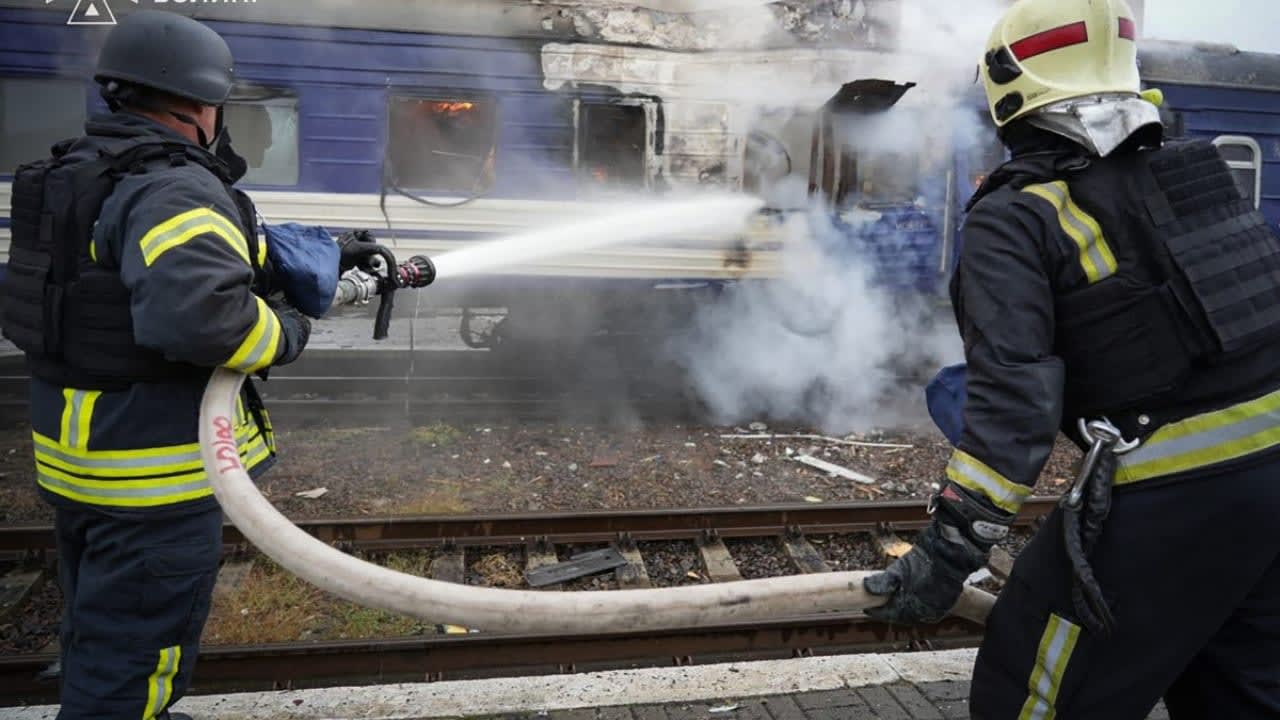
A Russian drone struck a train near the Ukraine-Poland border shortly after a diplomatic train carrying former UK PM Boris Johnson and European officials passed through. While no casualties were reported, the incident has raised concerns regarding potential escalation and the safety of critical transit routes.
Russian Strike Near Polish Border Raises Escalation Concerns
Recent reports indicate that a Russian drone strike targeted a train engine near the Ukraine-Poland border at Yahodyn. The attack occurred shortly after a diplomatic train, carrying former UK Prime Minister Boris Johnson and a delegation of senior European security advisers, including Jonathan Powell, had traversed the same route returning from a conference in Kyiv. While Ukrainian railway operator Ukrzaliznytsia confirmed no casualties were reported, the proximity of the strike to a NATO-member border has sparked significant international concern.
The Strategic Vulnerability of Transit Routes
The railway line connecting Kyiv to the Polish border serves as a critical artery for both humanitarian aid and high-level diplomatic travel. Because this route is frequently utilized by foreign delegations, the targeting of this infrastructure highlights the persistent danger inherent in transit within a war zone. By striking a train engine just two kilometers from the Polish border, the Russian military has demonstrated an ability to project force deep into western Ukraine, effectively signaling that no corridor—even those used by Western officials—is considered immune from military engagement.
Analyzing the 'Warped Logic' of the Strike
Former Prime Minister Boris Johnson publicly questioned the strategic rationale behind the attack, labeling it a display of "warped logic." In the context of modern warfare, such strikes often serve a dual purpose: they function as psychological intimidation against the international community while simultaneously attempting to degrade Ukraine’s internal logistical capabilities. By targeting railway infrastructure, Russia aims to complicate the movement of supplies and personnel, forcing Western allies to reconsider the security protocols required for diplomatic transit.
Implications for Regional Security and NATO
The fact that this strike occurred mere minutes after a diplomatic delegation passed through the area places it in a precarious position regarding international norms. While Russian officials claimed they targeted "railway infrastructure," the timing suggests a high level of surveillance or a deliberate disregard for the risks associated with attacking routes used by international figures. Polish Prime Minister Donald Tusk’s involvement in addressing the incident underscores the growing anxiety in Warsaw regarding Russian activity near NATO’s eastern flank.
The Call for Enhanced Air Defenses
In the aftermath of the strike, Boris Johnson has renewed calls for increased military support for Ukraine, specifically focusing on the provision of robust air defense systems. The incident serves as a poignant reminder that the current defensive infrastructure in western Ukraine remains vulnerable to drone incursions. Without advanced interception capabilities, the risk of a miscalculation or a strike resulting in mass casualties of international personnel remains high, which could fundamentally shift the nature of the conflict.
Future Trends in Conflict Escalation
Looking forward, this event suggests that the war in Ukraine may see an increase in precision strikes on logistical nodes far from the front lines. As Russia continues to prioritize the disruption of Ukrainian rail networks, the diplomatic community will likely need to adopt more opaque travel arrangements or demand greater security guarantees. The broader implication is a tightening of the geopolitical landscape, where the safety of international corridors becomes a central point of contention between Russia and its Western adversaries.
Multiple Citing Sources
Verification Required?