2 Indians Survived 9/11, Then American Justice System Became Their Nightmare
Source Entity
NDTV News Search Records Found 1000
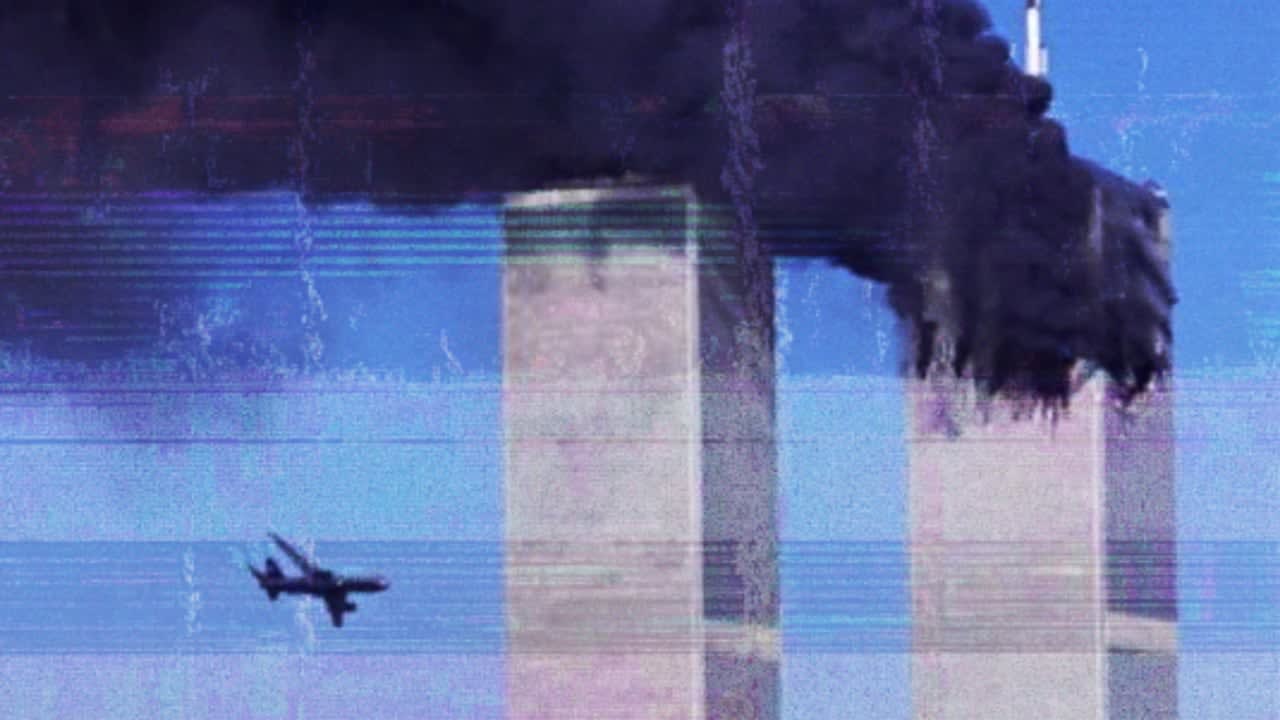
Two Indian men faced a harrowing ordeal after being pulled off a Texas train in the immediate aftermath of the 9/11 attacks. Their experience highlights the intense climate of suspicion and the systemic failures within the American justice system during the nation's largest terror manhunt.
The Shadow of 9/11: A Case of Profiling and Paranoia
In the immediate, chaotic aftermath of the September 11, 2001, terrorist attacks, the United States was gripped by a visceral sense of vulnerability and suspicion. Amidst the national state of emergency, two Indian men traveling on a train in Texas found themselves caught in the gears of an escalating security apparatus. Hours after the towers fell, they were forcibly removed from their transit, marking the beginning of an experience that would transform from a routine journey into a harrowing encounter with the American justice system.
The Mechanics of a Manhunt
The post-9/11 landscape was characterized by an unprecedented, nationwide manhunt. Law enforcement agencies were under immense pressure to identify potential threats, leading to a climate where racial and ethnic profiling became an unintended—but devastating—consequence of national security policy. By being singled out on a Texas train, these two men became, in effect, collateral damage in a frantic, high-stakes search for suspects, demonstrating how quickly the presumption of innocence can erode during times of acute national crisis.
Systemic Failure and the Judicial Nightmare
Once detained, the men were plunged into a legal labyrinth that was ill-equipped to handle the sudden surge of interest in individuals deemed 'suspicious' based on appearance rather than evidence. The American justice system, designed to protect due process, faltered under the weight of post-attack hysteria. The transition from being innocent travelers to individuals of interest in the largest terror manhunt in American history underscores a profound failure to distinguish between genuine threats and individuals targeted by bias.
Broader Implications for Civil Liberties
This incident serves as a stark case study on the fragility of civil liberties during periods of national trauma. The experience of these two individuals reflects a broader trend of 'othering' that affected many immigrants and people of color in the weeks and months following the attacks. It raises critical questions about how domestic security strategies can inadvertently target innocent populations, leading to long-term psychological and legal trauma for those caught in the dragnet.
Historical Context and Future Trends
Looking back at this event, it is clear that the events of 9/11 did more than change foreign policy; they fundamentally altered the relationship between law enforcement and immigrant communities. While modern security protocols have evolved to include more nuanced threat assessment, the memory of this era serves as a warning. Future trends in national security must prioritize the balance between vigilance and the protection of constitutional rights to prevent the recurrence of such systemic injustices.
Verification Required?