Putin aide warns NATO’s Lithuania it will become a Russian nuclear target if it hosts nukes
Source Entity
Latest News: Todays Latest News Headlines from India & World | Hindustan Times | Hindustan Times
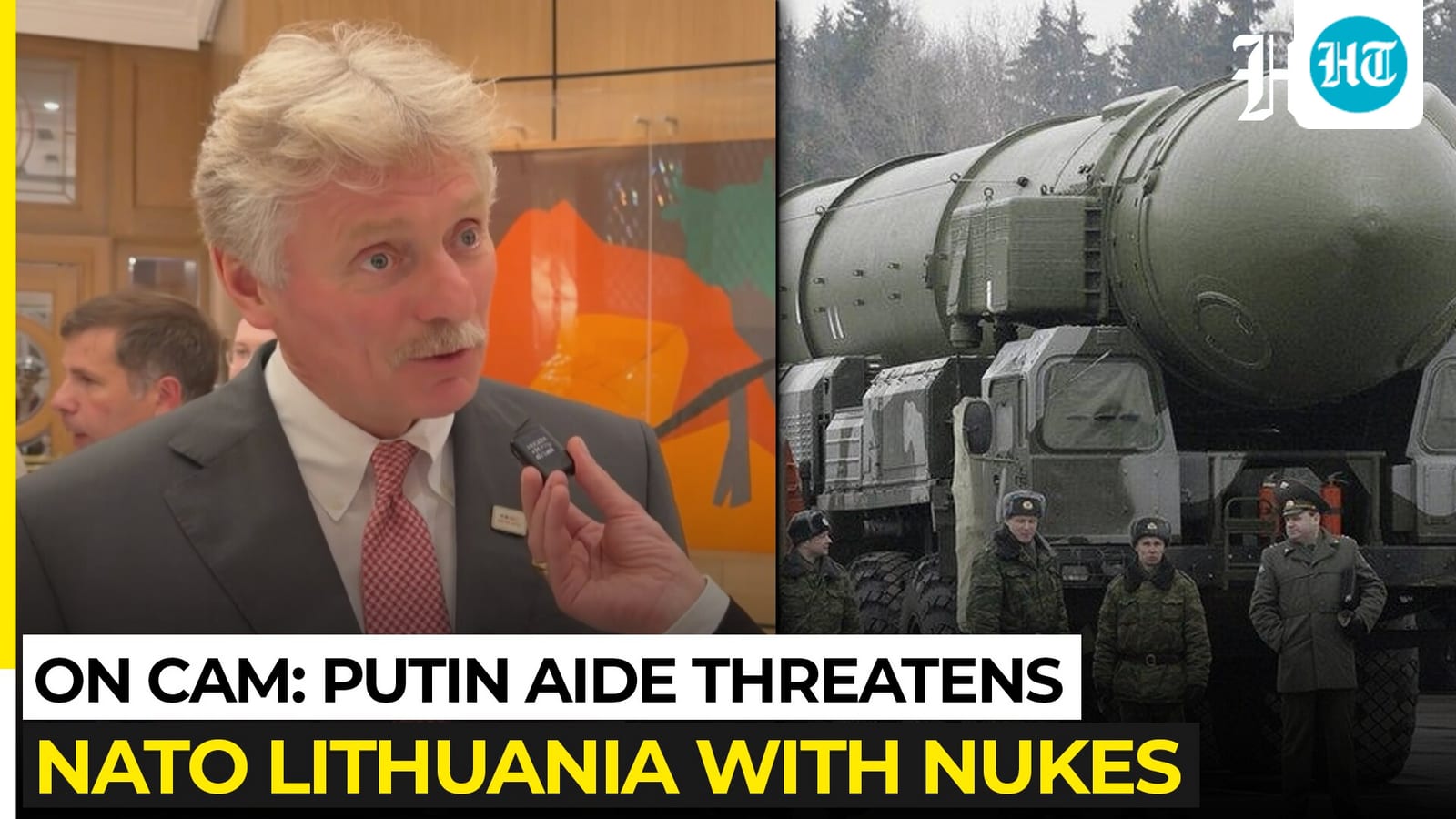
Kremlin spokesperson Dmitry Peskov has issued a stern warning that Lithuania would become a target for Russian nuclear weapons if it hosts NATO nuclear assets. This escalation underscores the growing volatility in Baltic security dynamics.
Escalating Tensions: The Baltic Nuclear Calculus
Recent statements from Kremlin spokesperson Dmitry Peskov have significantly heightened the security discourse surrounding the Baltic region. By explicitly warning that Lithuania would become a target for Russian nuclear weapons should it host NATO nuclear assets, the Kremlin has moved beyond standard diplomatic rhetoric into the realm of direct nuclear signaling. This development highlights a critical juncture in the ongoing friction between Russia and the North Atlantic Treaty Organization, specifically concerning the strategic vulnerability of the Baltic states.
The Strategic Rationale of the Warning
At the core of the Russian argument is the perception of an existential threat posed by the deployment of foreign nuclear capabilities on its borders. Peskov’s assertion that any NATO nuclear weapons placed in Lithuania would be inherently aimed “eastward” at Russia reflects Moscow’s long-standing doctrine regarding its strategic depth. From the Kremlin's perspective, the proximity of such assets reduces the warning time for a potential strike, thereby necessitating a preemptive or retaliatory posture that targets the host nation directly.
Historical Context of Baltic Security
To understand the gravity of this warning, one must consider the historical sensitivity of the Baltic states—Lithuania, Latvia, and Estonia—regarding Russian influence. Having transitioned away from the Soviet sphere, these nations view NATO membership as their primary security guarantee. However, this membership has historically been a point of contention for Moscow, which views the eastward expansion of the alliance as an encroachment on its traditional sphere of influence and a violation of post-Cold War security arrangements.
Implications of Nuclear Posturing
This rhetoric serves as a form of nuclear brinkmanship designed to deter NATO from further militarizing the Baltic corridor. By linking the host nation’s sovereignty to the presence of nuclear weapons, Russia is attempting to create a political cost for any NATO member state considering such an infrastructure upgrade. This maneuver complicates the internal decision-making processes within NATO, as member states must now weigh the strategic benefit of increased deterrence against the heightened risk of becoming a primary target for Russian tactical or strategic nuclear forces.
Future Trends and Regional Stability
The current trajectory suggests that the Baltic region will remain a theater of intense geopolitical maneuvering. As both sides continue to calibrate their nuclear doctrines and defensive postures, the risk of miscalculation increases. Future trends will likely involve increased surveillance, cyber-warfare, and aggressive military exercises designed to test the resolve of the opposing side. Unless there is a significant shift in diplomatic engagement, the reliance on nuclear threats as a tool of statecraft will continue to define the security architecture of Eastern Europe.
Conclusion
In summary, the warning issued by the Kremlin regarding Lithuania is a clear indication that nuclear posturing has become an integrated component of modern Baltic security dynamics. The situation remains volatile, with both NATO and Russia locked in a cycle of action and reaction. As these tensions persist, the international community must closely monitor how these threats influence the strategic calculations of Baltic nations and their allies in the coming months.
Verification Required?