Flight shot down, parachute failed: How US colonel survived 50 hours in Iran, sent first message
Source Entity
Latest News: Todays Latest News Headlines from India & World | Hindustan Times | Hindustan Times
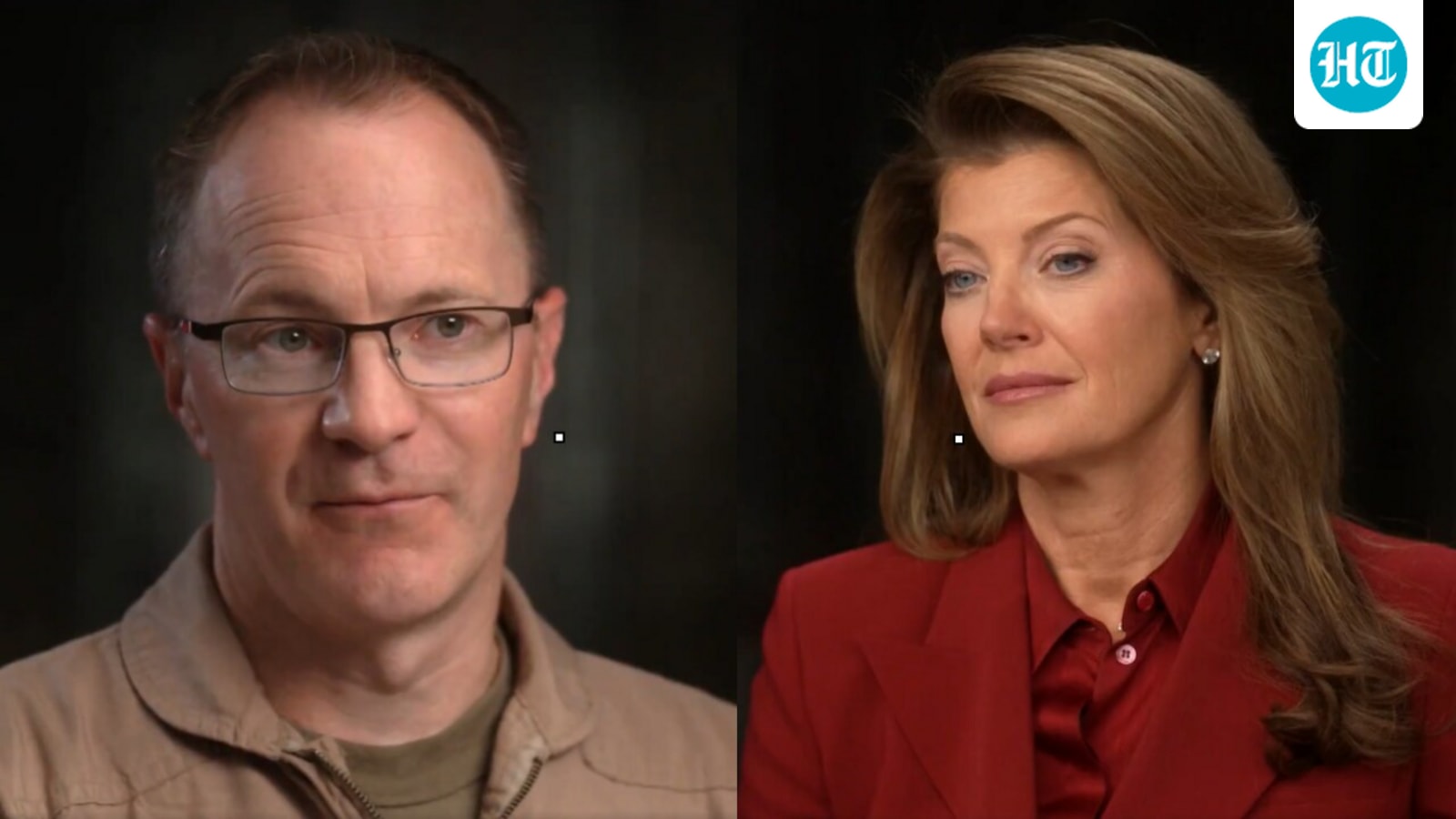
A US Air Force officer, call sign 'Dude 44 Bravo', has recounted his survival after his F-15E was shot down over Iran. He spent 50 hours injured in the desert before being recovered in a complex, large-scale US rescue operation.
The Survival of Dude 44 Bravo: A Deep Dive into a High-Stakes Rescue
The recent account provided by the US Air Force officer known by the call sign 'Dude 44 Bravo' offers a harrowing glimpse into the realities of modern aerial warfare and the extreme measures taken by the United States to recover its personnel. Shot down approximately 100 miles inside southern Iran while operating an F-15E Strike Eagle, the officer’s survival story highlights the intersection of advanced military technology and the raw human instinct to endure under pressure.
The Incident and Immediate Aftermath
In April, during an intense strike mission, the F-15E—a platform valued at $30 million—was brought down by a shoulder-fired missile, a relatively inexpensive weapon estimated at $100,000. The ejection of both the pilot, known as 'Alpha', and the weapons systems officer, 'Dude 44 Bravo', into the mountainous desert terrain of Iran marked the beginning of a desperate 50-hour ordeal. Injured and isolated, the officer’s ability to communicate his status to the military, famously signaling that he was alive with the words “God is good,” became the critical link that initiated a massive recovery effort.
The Complexity of the Rescue Operation
This mission stands out in contemporary military history due to its sheer scale and complexity. With over 90 American service members deployed, the operation was not merely a retrieval mission but a coordinated tactical engagement. US forces utilized a combination of bombers and drones to strike nearby Iranian Revolutionary Guard forces, effectively creating a buffer zone that allowed for the extraction of the downed officer. This aggressive use of air power underscores the U.S. military’s rigid commitment to the 'leave no man behind' doctrine, even when operating deep within hostile territory.
Tactical Challenges in Hostile Terrain
Surviving for two days while being actively hunted by Iranian forces required immense discipline and physical resilience. The mountainous desert environment provided limited concealment, making the officer’s successful evasion a testament to his training. The proximity of search parties, as noted in the officer's testimony, highlights the narrow margins between capture and rescue in a high-threat environment where every movement carries the risk of detection.
Broader Strategic Implications
Beyond the individual survival story, the incident serves as a stark reminder of the vulnerability of even the most sophisticated aircraft to asymmetric threats like shoulder-fired missiles. The deployment of significant assets to recover just two individuals illustrates the high strategic cost of such engagements, both in terms of material loss and the diplomatic and military resources required to conduct deep-cover rescue operations. As the officer discussed his experience on 60 Minutes, it brought into focus the enduring dangers faced by those enforcing air superiority in volatile regions.
Conclusion
The rescue of Dude 44 Bravo is a definitive case study in modern combat search and rescue (CSAR) operations. By successfully integrating intelligence, air support, and ground-level survival, the US military demonstrated its capability to project force deep within enemy borders to protect its personnel. The officer's account serves as both a historical record of the event and a testament to the rigorous training and technical support that define the US Air Force’s operational ethos.
Multiple Citing Sources
Verification Required?