Badly burned British couple rescued from ravine during Spain wildfires
Source Entity
BBC News
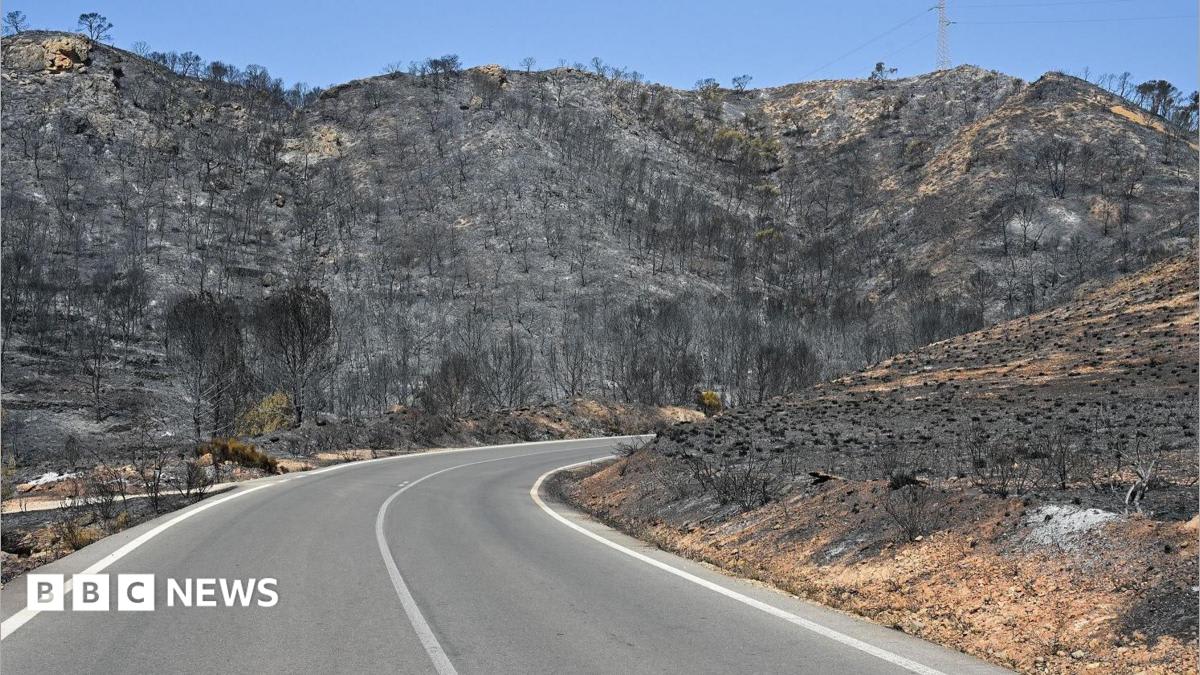
The unnamed pair were found semi-conscious with 40% burns after being trapped by the blazes raging through Almeria province.
Dramatic Rescue Amidst Almeria Wildfires
In a harrowing incident that highlights the extreme dangers of the Mediterranean fire season, a British couple was recently rescued from a ravine in Spain's Almeria province. The pair, whose identities have not been disclosed, were found in a semi-conscious state, having suffered severe burns covering approximately 40% of their bodies. The rescue operation underscores the volatility of the region's terrain and the speed at which wildfires can isolate individuals in rugged landscapes.
The Severity of the Incident
The medical condition of the victims is critical. A 40% burn area is classified as a major injury, often requiring intensive care, aggressive fluid resuscitation, and potentially multiple skin graft surgeries. The fact that the couple was found semi-conscious suggests not only the physical trauma of the burns but also the likelihood of smoke inhalation and heat exhaustion. Being trapped in a ravine likely created a 'chimney effect,' where heat and smoke are concentrated, intensifying the burns and depleting oxygen levels, which explains their state of consciousness upon discovery.
Geographical Challenges of Almeria
Almeria is one of the driest regions in Europe, characterized by a semi-arid climate that makes it a tinderbox during the summer months. The province's topography is marked by deep ravines and steep valleys, which can act as natural traps for hikers or tourists caught off guard by fast-moving fire fronts. In this specific event, the ravine likely served as the couple's only immediate refuge from the advancing flames, but it simultaneously became a trap that hindered their escape and made it difficult for rescue teams to locate them quickly.
Analysis of the Rescue Operation
Extracting critically injured patients from a ravine during an active wildfire is an operation of extreme complexity. Such rescues typically require the coordination of the UME (Unidad Militar de Emergencias) or local firefighting units, often utilizing helicopters for aerial extraction due to the impassable nature of the terrain. The precision required to land or hoist victims while smoke obscures visibility and heat creates turbulent air currents makes this rescue a significant feat of emergency coordination, emphasizing the necessity of specialized mountain rescue capabilities in Southern Spain.
Broader Implications of Mediterranean Wildfires
This event is not an isolated tragedy but part of a broader, alarming trend of intensifying wildfires across the Mediterranean basin. Rising global temperatures and prolonged drought periods have extended the fire season and increased the intensity of blazes. For tourists, particularly those from Northern Europe like the British couple involved, the perceived safety of rural exploration can be deceptive. This incident serves as a stark reminder that climate-driven environmental shifts are making traditional tourist activities in rural Spain increasingly hazardous.
Future Trends and Safety Predictions
Looking forward, it is likely that regional authorities in Almeria and across Spain will implement stricter access controls to high-risk rural areas during peak heatwaves. We can expect an increase in the use of real-time satellite monitoring and mobile alert systems to warn tourists of encroaching fire lines. Furthermore, this event will likely prompt a review of safety protocols for foreign nationals visiting remote areas, emphasizing the need for better communication of local fire risks to non-residents who may not be familiar with the rapid behavior of scrubland fires.
Conclusion
The rescue of the British couple from the Almeria ravines is a testament to the bravery of Spanish emergency services, but it also highlights the lethal intersection of rugged geography and climate-driven wildfires. With the victims facing a long recovery from severe burns, the incident stands as a cautionary tale regarding the unpredictability of nature in an era of increasing environmental instability.