British Museum bans visitors from photographing Bayeux Tapestry
Source Entity
BBC News
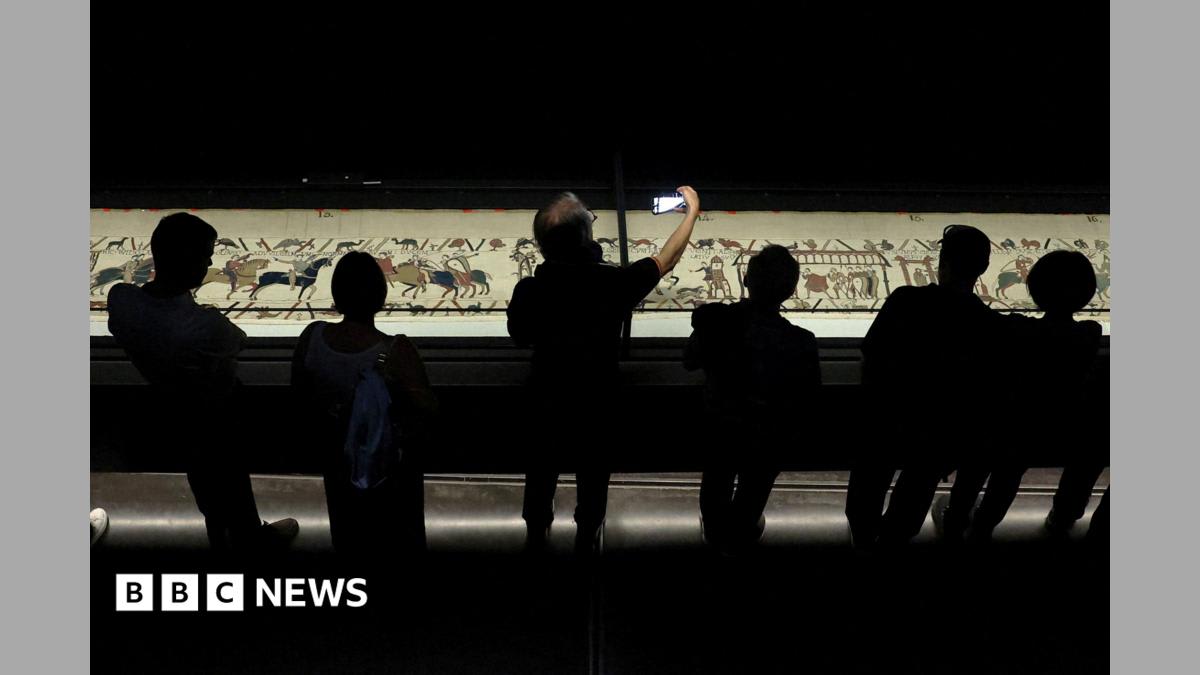
The British Museum has banned photography of the historic Bayeux Tapestry to prevent visitor congestion. This measure aims to maintain a steady flow of ticket-holders through the sold-out, time-sensitive exhibition.
Preservation and Flow: The British Museum's New Photography Policy
The British Museum has implemented a strict ban on photography within its current exhibition featuring the Bayeux Tapestry. This decision, while restrictive for modern museum-goers, serves as a necessary intervention to manage the logistical challenges posed by one of history's most significant artifacts. By prohibiting photography, the museum aims to alleviate the congestion that has hindered the viewing experience for attendees.
The Logistical Challenge of 1066
The Bayeux Tapestry, a 68-meter (230ft) medieval embroidery, is currently being showcased in Britain for the first time, marking a momentous occasion for historical study. Given its immense popularity and the constraints of the venue, the museum has instituted a timed-entry system, admitting groups every 40 minutes. The primary goal is to maintain a unidirectional flow of visitors along the length of the tapestry, ensuring that all ticket-holders have a fair opportunity to view the intricate narrative of the 1066 Norman conquest.
Curbing the 'Selfie Culture' Impact
The necessity for this ban stems from the disruptive behavior of visitors who pause for extended periods to capture photographs. In a tightly managed environment where throughput is essential, these frequent stops create bottlenecks that ripple through the entire queue. The museum’s decision reflects a growing trend among cultural institutions to prioritize the collective experience of patrons over the individual desire to document art through personal devices.
Historical Significance vs. Modern Access
Depicting the events leading up to the Battle of Hastings, the tapestry is a fragile and invaluable piece of medieval craftsmanship. The British Museum’s curation team originally permitted photography in hopes of fostering engagement; however, the reality of high-volume attendance necessitated a pivot. This move highlights the delicate balance museums must strike between accessibility and the practical realities of crowd management in the digital age.
Future Implications for Museum Curation
This policy change serves as a case study for how major institutions may handle high-demand, limited-run exhibits moving forward. As museums continue to host global treasures, the implementation of 'no-photo' zones may become a standard practice rather than an exception. By prioritizing the flow of visitors, the British Museum is protecting the integrity of the exhibition, ensuring that the historical narrative of the tapestry remains the focal point of the visit rather than the screen of a smartphone.