Russia was building sanctions-proof ties with Iran before US attacked: Report
Source Entity
AASTHA JHA
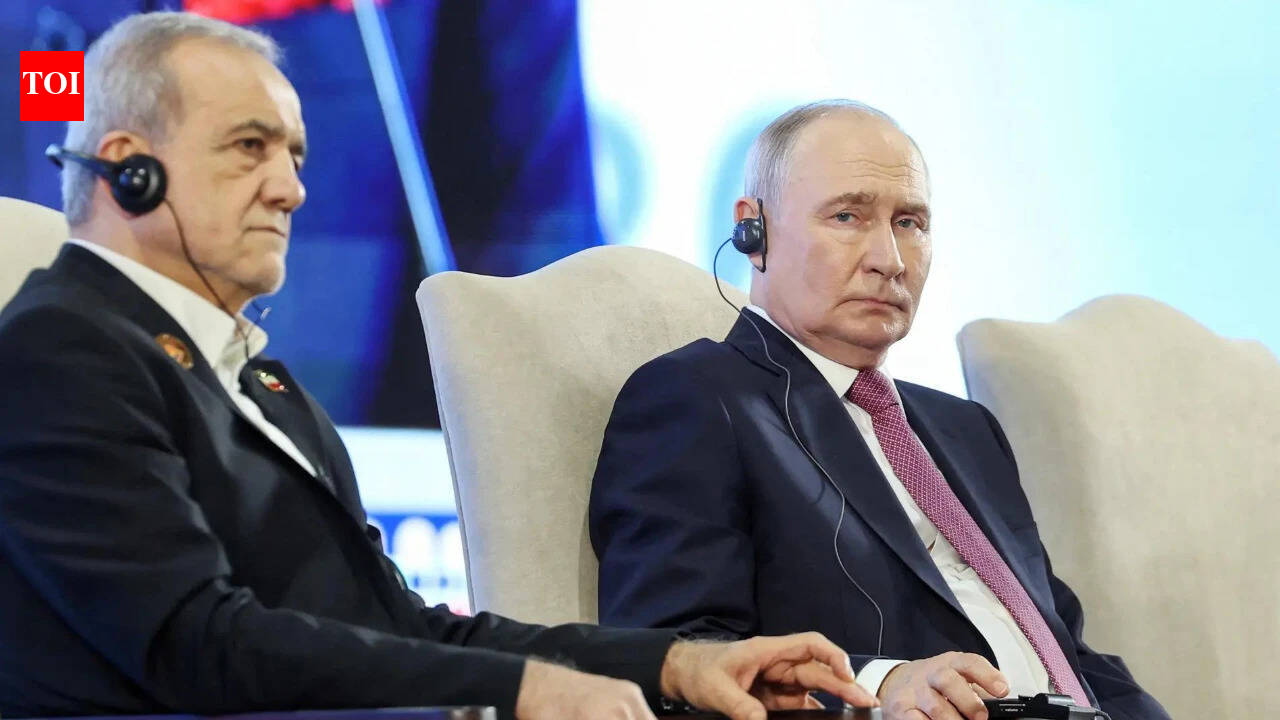
A 2024 leaked document reveals a comprehensive strategic partnership between Russia and Iran aimed at circumventing Western sanctions. The agreement encompasses deep cooperation in finance, nuclear energy, aviation, and infrastructure to bypass global financial systems.
Strategic Alignment: The Russia-Iran 2024-2026 Cooperation Plan
Recent reports based on a 44-page, non-public Russian government document titled “Plan for Cooperation Between the Russian Federation and the Islamic Republic of Iran for 2024-2026” have unveiled a significant shift in geopolitical maneuvering. Approved by Moscow on September 2, 2024, this blueprint outlines a robust framework for insulating both nations from the impact of Western-led economic sanctions. By formalizing a strategic partnership, the two states are actively attempting to construct an economic ecosystem that operates independently of Western financial and trade infrastructure.
Financial Autonomy and Sanctions Evasion
At the core of this partnership is the pursuit of financial sovereignty. The document details efforts to establish alternative financial channels that function entirely outside the reach of Western oversight. This is a direct response to the exclusion of both nations from global banking networks like SWIFT. By creating independent settlement mechanisms, Russia and Iran aim to facilitate trade in oil, gas, and other commodities, utilizing 'hidden financing' techniques to ensure that their vital energy revenues remain shielded from international regulatory scrutiny.
Deepening Nuclear and Technical Cooperation
Beyond finance, the agreement emphasizes a long-term commitment to nuclear development, specifically highlighting continued cooperation at the Bushehr nuclear power plant. This signals a deepening of the technological dependence between the two nations. Furthermore, the partnership extends into the aerospace sector, with provisions for the potential production of Russian aircraft parts within Iran. This suggests a strategic pivot toward localizing supply chains to mitigate the crippling effects of export controls on Russian aviation industries.
Infrastructure and Global Trade Routes
Geopolitical logistics form another pillar of this cooperation. The plan outlines the development of a new trade route connecting Russia to the Persian Gulf. By enhancing connectivity, both nations intend to bypass traditional maritime bottlenecks and establish a more resilient supply chain that serves their mutual interests. This infrastructure project is designed to facilitate the rapid movement of goods and resources, reinforcing the economic ties that underpin their broader political alliance.
Expanding Influence: Media and Technology
Finally, the scope of this partnership is not limited to hard infrastructure or finance; it extends into the spheres of media and technology. By coordinating their efforts in these sectors, Russia and Iran are attempting to synchronize their narratives and digital capabilities. This holistic approach ensures that the partnership is anchored not only in economic necessity but also in a shared ideological and strategic outlook, designed to present a unified front against Western geopolitical pressure.
Future Implications and Global Outlook
As this partnership matures through 2026, the global community faces a complex challenge. The formalization of these ties suggests that both Russia and Iran have moved past reactive measures and are now proactively restructuring their economies for a long-term standoff with the West. The success of this 'sanctions-proof' model will likely be closely watched by other nations currently under international restrictions, potentially setting a precedent for a fragmented global economy where alternative trade blocs operate parallel to, and in defiance of, the Western-led financial order.