The Wealthy Miami Residents Who Are Plotting Cuba’s Future
Source Entity
Latest News: Todays Latest News Headlines from India & World | Hindustan Times | Hindustan Times
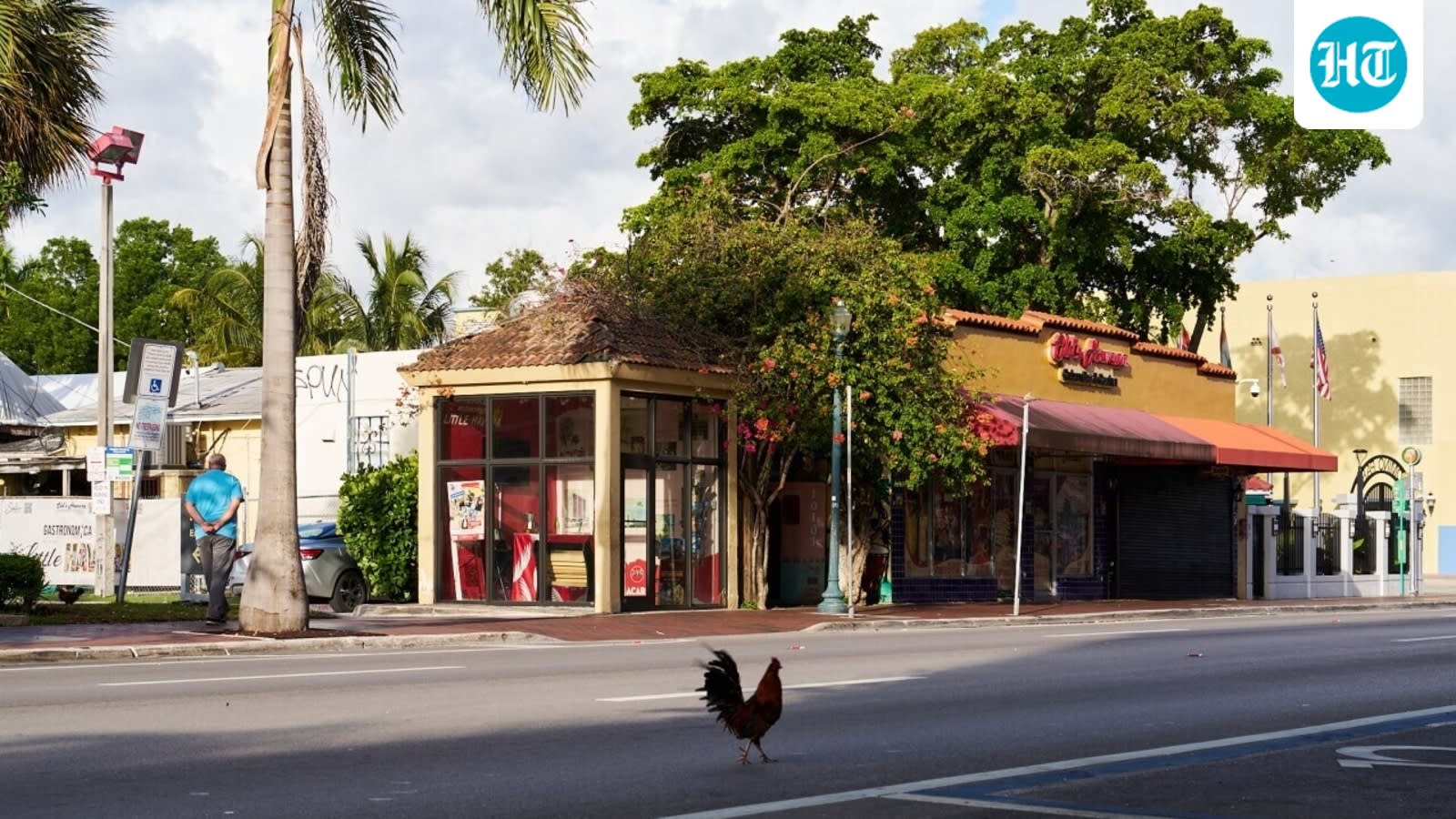
Wealthy Cuban-Americans in Miami are actively preparing detailed plans for a post-regime Cuba, including economic and infrastructure blueprints. These efforts are underscored by political rhetoric suggesting the current Cuban government may soon face a transition.
The Miami Blueprint: Planning for a Post-Regime Cuba
In the affluent waterfront neighborhoods of Miami, a distinct group of Cuban-American expatriates is engaged in a long-term strategic project: the systematic planning of a future, post-regime Cuba. This initiative, marked by private meetings in mansions overlooking Biscayne Bay, represents a convergence of generational hope and geopolitical ambition. For individuals like Juan Omar Sixto, an 82-year-old former tobacco farmer, this is not merely an intellectual exercise but a 67-year culmination of waiting for a fundamental change in their homeland’s governance.
Economic Infrastructure and Investment Strategies
At the heart of these deliberations is the creation of a framework for a market-based transition. The newly formed Cuban-American National Chamber of Commerce is actively drafting blueprints for a national stock exchange and organizing an investment summit intended for Havana. By focusing on the mechanisms of capital markets, these planners aim to provide a ready-made economic roadmap that could theoretically be implemented the moment the current political landscape shifts, ensuring that private enterprise can take root immediately.
Engineering a New Power Grid
Beyond economics, the group is tackling the immediate physical needs of the nation. Reports indicate that prominent figures are recruiting engineers to study the implementation of floating power stations. Given Cuba's long-standing struggles with energy stability and infrastructure decay, this focus on power generation suggests that these planners are looking for rapid, deployable solutions to address the most critical bottlenecks that would face a new government during its initial stages of administration.
Governance and Political Preparation
The scope of these preparations extends into the political realm as well, with efforts underway to map out a provisional government structure. This indicates that the participants are not merely dreaming of change but are attempting to solve the complex logistical problems of state-building. By organizing potential administrative structures now, they seek to prevent a power vacuum and ensure a level of continuity that could stabilize the country during a volatile period of transition.
The Influence of Geopolitical Rhetoric
These efforts are significantly emboldened by the current political climate in the United States, specifically the rhetoric surrounding the potential for regime change. Donald Trump’s recent warnings that “Cuba is next” have provided a sense of urgency to these Miami-based groups. This external political pressure acts as a catalyst, reinforcing the belief among these expatriates that the current Cuban regime is fragile and that the opportunity for their involvement is nearing.
Future Implications and Challenges
Looking ahead, the success of these plans depends on the actual trajectory of the Cuban government, which remains entrenched despite ongoing economic crises. While these Miami residents are meticulously preparing for the day the regime falls, the gap between their blueprints and the reality on the ground in Havana remains significant. Future trends will likely show a continued bifurcation in strategy: as the regime hangs on, these groups will likely increase the sophistication of their planning, moving from broad concepts to granular, actionable policy papers that await a moment of political opening.
Verification Required?