Indian woman in Chicago questions ‘detached’ tag after moving to US: ‘Only 2 people called me in 3 years’
Source Entity
Latest News: Todays Latest News Headlines from India & World | Hindustan Times | Hindustan Times
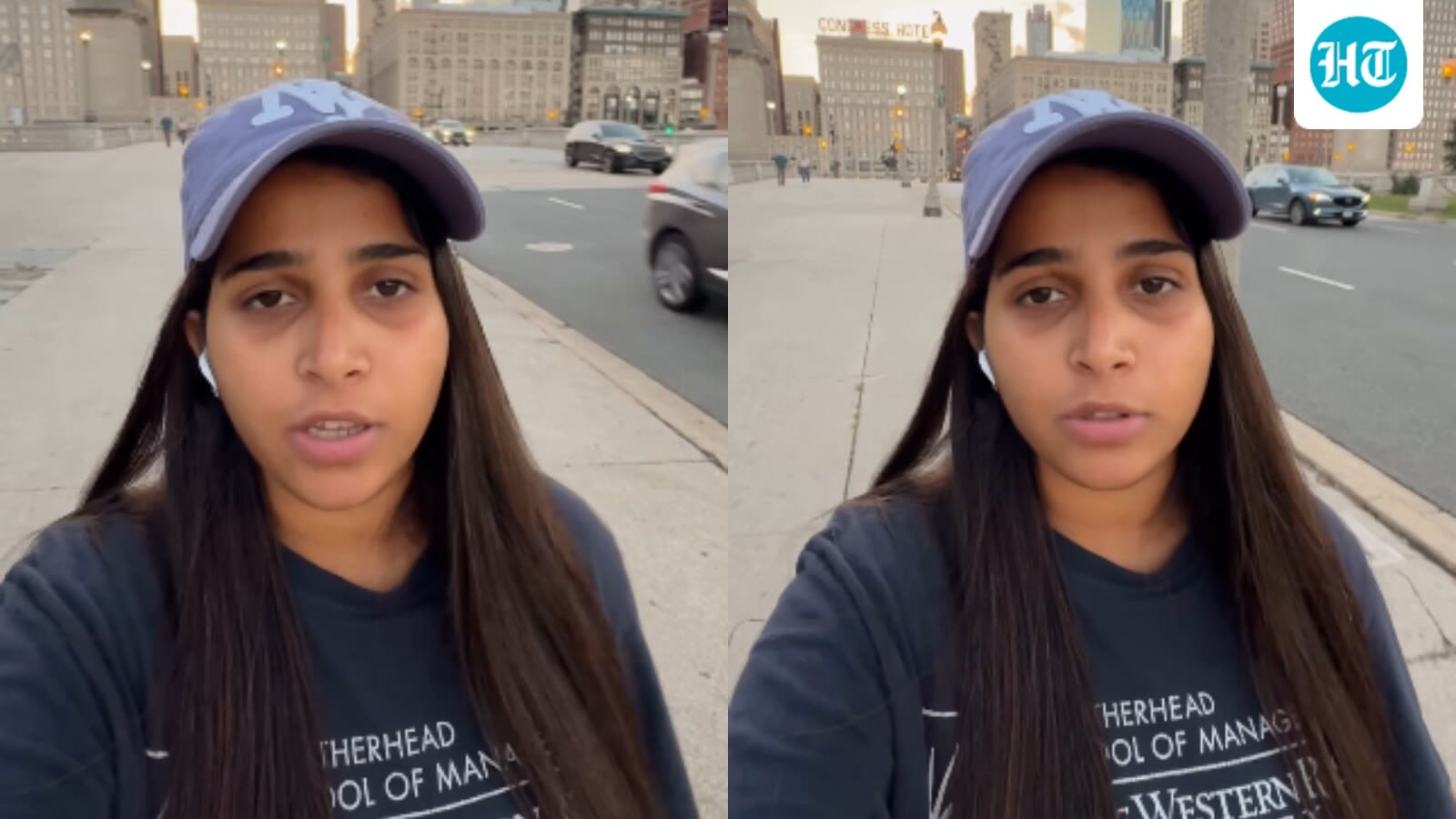
An Indian woman living in Chicago has sparked a conversation on social media about the challenges of maintaining long-distance relationships. She highlights the irony of being labeled 'detached' by peers despite experiencing minimal outreach from others during her three-year stay abroad.
The Paradox of Distance: Examining the 'Detached' Label
The Reality of the Diaspora Experience
Recent social media discourse, spearheaded by Kanishka Jasoria, has brought to light the nuanced emotional toll of the Indian diaspora experience. Living in Chicago for three years, Jasoria’s personal account challenges the pervasive narrative that expatriates intentionally become 'detached' from their social circles back home. This narrative often ignores the immense logistical and psychological hurdles of international relocation, focusing instead on the perceived failure of the individual to maintain intimacy across time zones.
The Asymmetry of Communication
Jasoria’s claim that only two people outside of her immediate family reached out to her during her three-year tenure in the United States highlights a stark asymmetry in social expectations. In many social dynamics, the burden of maintaining connection is unfairly placed on the person who has moved. While the expat is often criticized for a lack of engagement, the reality frequently involves a 'two-way street' that remains unpaved by those remaining in the home country, who may assume the expat is too busy or 'too successful' to be contacted.
Cultural Expectations vs. Modern Reality
In Indian culture, where communal ties and constant social presence are highly valued, moving abroad is often viewed through a lens of social rupture. The label of being 'detached' serves as a defense mechanism for those left behind, projecting their own feelings of loss or abandonment onto the individual who left. By calling out this hypocrisy, Jasoria is challenging the community to reconsider the definition of support and the realities of adult friendships in a globalized world.
The Impact of Digital Misconceptions
Social media platforms like Instagram, where Jasoria shared her experience, often create a 'highlight reel' effect. This can lead peers back home to believe that the expat's life is inherently glamorous and filled with a vast new social circle, thereby diminishing the perceived need for the expat to receive calls from old friends. This digital perception gap contributes significantly to the feelings of isolation reported by many living abroad.
Future Trends in Expat Social Dynamics
As global mobility continues to rise, the tension between maintaining heritage-based social expectations and the reality of modern, solitary living in foreign cities will likely intensify. We are moving toward a period where the 'long-distance friendship' must be redefined. Moving forward, social support systems for the diaspora will need to evolve, moving away from accusatory labels and toward more intentional, reciprocal methods of staying connected despite geographical barriers.
Conclusion
Kanishka Jasoria's candid reflection serves as a vital reminder that distance is a complex, multifaceted challenge. By questioning the 'detached' label, she invites a deeper exploration of how we define friendship, responsibility, and community in an era where relocation is common yet emotional integration remains a difficult, often lonely, process.
Verification Required?