Sri Lanka court convicts 15 men over deadly Easter Sunday bombings
Source Entity
BBC News
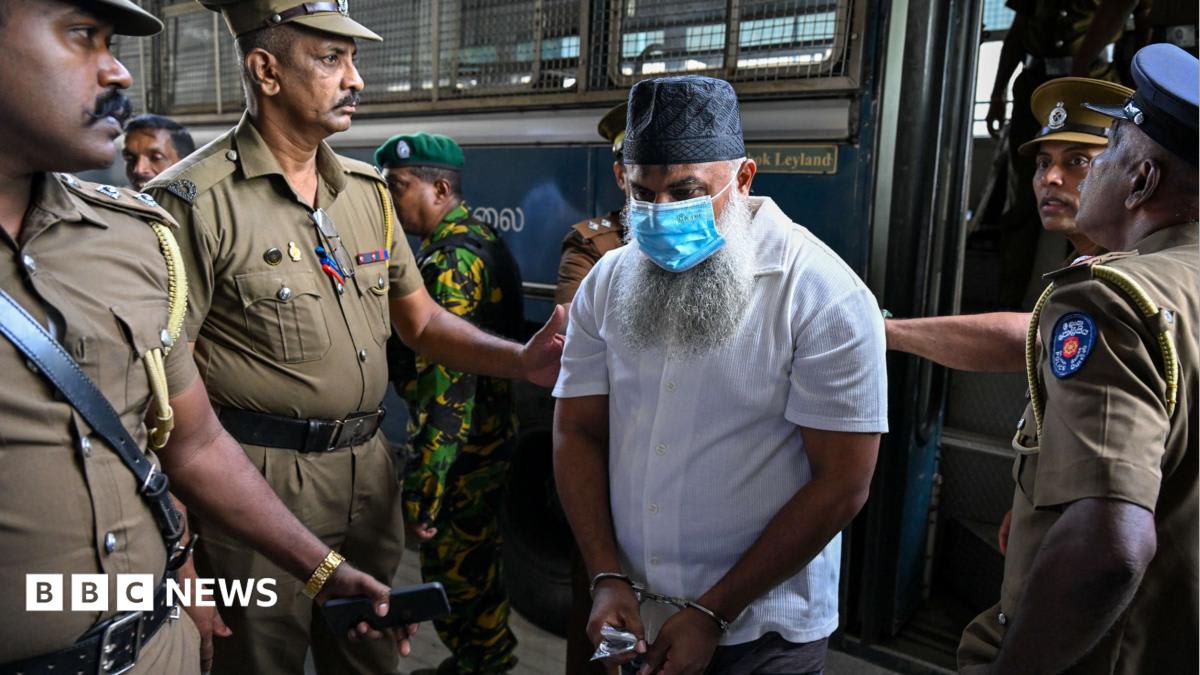
A Sri Lankan High Court has convicted 15 men, including the alleged mastermind, for their roles in the 2019 Easter Sunday bombings that killed 270 people. The ruling concludes a massive legal proceeding involving over 23,000 charges related to the coordinated attacks on churches and hotels.
The Easter Sunday Verdict: A Landmark Legal Resolution
In a significant development for Sri Lankan justice, the High Court has convicted 15 men for their involvement in the horrific 2019 Easter Sunday bombings. This coordinated assault, which targeted three churches and three luxury hotels, remains the deadliest act of violence on the island nation since the conclusion of the civil war in 2009. The verdict, which follows a long and complex judicial process, marks a critical step in addressing the trauma of an event that claimed 270 lives and left over 500 people injured.
The Mastermind and the Legal Scale
Among those convicted is Naufer Moulavi, identified by prosecutors as the primary mastermind behind the suicide bombings. The scale of the legal proceedings was unprecedented, with the 25 original defendants facing a staggering total of over 23,000 charges, including murder and conspiracy. The court’s decision to convict 15 individuals—while acquitting nine others—highlights the meticulous nature of the investigation. Furthermore, the court has ordered the confiscation of all assets and property belonging to those found guilty, adding a layer of financial accountability to the criminal sentencing.
Contextualizing the Tragedy
The 2019 attacks were characterized by their strategic precision, striking at the heart of the nation’s religious and tourism sectors during high-profile Easter celebrations. The casualty count included 45 foreign nationals, which brought significant international scrutiny to Sri Lanka’s national security infrastructure. Investigators have consistently attributed the carnage to Islamist extremists, noting that the perpetrators were part of a localized cell inspired by international radical ideologies. All of the original suicide bombers died during the execution of the attacks, leaving the judicial system to focus on the planners and facilitators.
Investigating Intelligence Failures
Beyond the immediate convictions, the aftermath of the bombings has triggered deep-seated political and social questions regarding intelligence failures. There have been ongoing discussions and separate investigations into the actions of high-ranking officials, including the former intelligence chief. These inquiries aim to determine how such a large-scale conspiracy could have bypassed security measures, suggesting that while the court has addressed the immediate perpetrators, the systemic vulnerabilities that allowed the tragedy to occur remain a subject of intense public and legal debate.
Future Implications and National Healing
The conclusion of this trial is a pivotal moment for a nation still grappling with the scars of the 2019 attacks. By delivering these convictions, the judiciary seeks to provide a measure of closure for the victims' families and the survivors. However, the path forward for Sri Lanka involves balancing this legal resolution with the broader need for social cohesion and the prevention of future radicalization. As the country moves past this legal milestone, the focus will likely remain on ensuring that intelligence reforms and security oversight are sufficient to protect the pluralistic fabric of the nation against future extremist threats.