BRS attributes drought to govt. failure to utilise available water, generate power
Source Entity
India Latest News: Top National Headlines Today & Breaking News | The Hindu
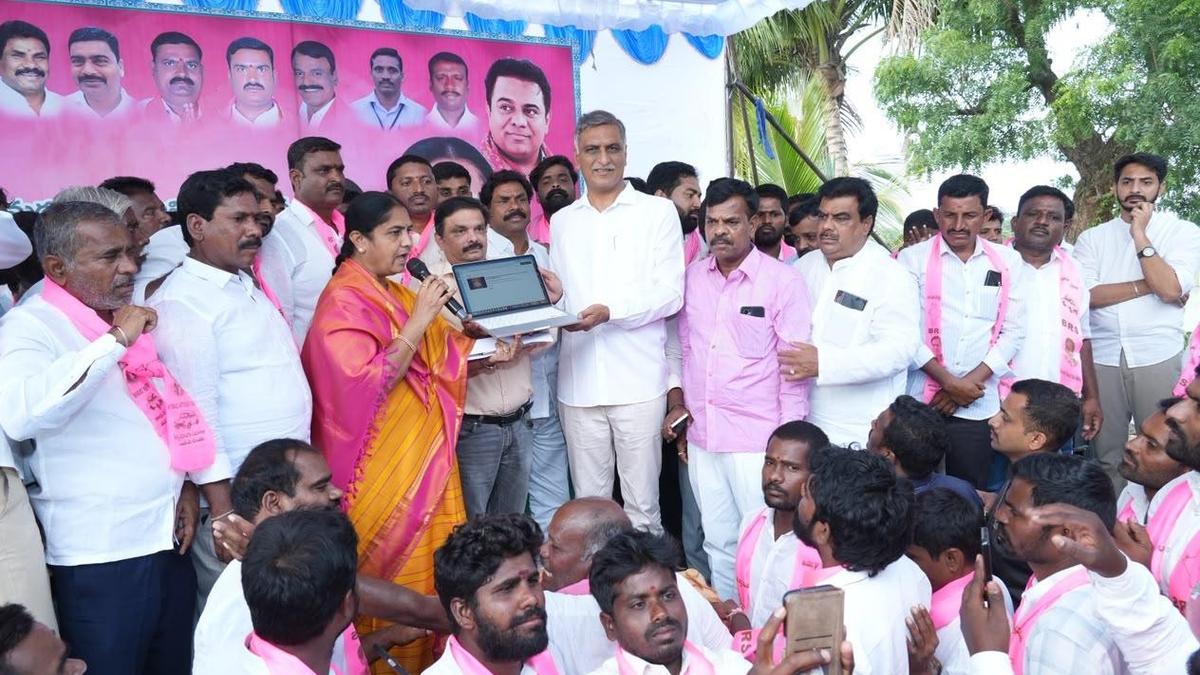
BRS leader T. Harish Rao has accused the Telangana Congress government of causing a man-made drought by failing to utilize Godavari water. He alleges that administrative negligence, rather than El Nino, is to blame for the current agricultural crisis.
The Political Fallout of Telangana's Water Crisis
Accusations of Administrative Failure
In a pointed critique of the incumbent administration, senior Bharat Rashtra Samithi (BRS) leader T. Harish Rao has characterized the current drought conditions in Telangana as a "Congress-induced" crisis. Speaking in the Medak district, Rao argued that the scarcity of water is not merely a consequence of environmental factors, but a direct result of the state government's failure to effectively manage and utilize available water resources from the Godavari River.
Challenging the El Nino Narrative
While the India Meteorological Department (IMD) issued warnings regarding the potential impacts of El Nino—a climate pattern known for causing erratic weather and drought—more than six months ago, Rao contends that the government has used this as a convenient scapegoat. By attributing the water shortage to natural phenomenon rather than policy decisions, the administration is accused of abdicating its responsibility to mitigate the impact of climate variability through proactive infrastructure management.
The Medigadda Barrage Controversy
Central to the BRS critique is the management of the Medigadda barrage. Despite structural concerns that have been heavily scrutinized, Rao insists that the government has failed to lift available water, thereby exacerbating the plight of local farmers. The failure to leverage this infrastructure, according to the BRS, has turned a manageable situation into a severe agricultural crisis, leaving crops vulnerable and farmers in a state of financial distress.
Broader Implications for Agriculture
This conflict highlights the precarious nature of agriculture in the region, which remains heavily dependent on state-led irrigation projects. When political discourse centers on the mismanagement of water assets like the Godavari, it underscores the fragility of the state’s food security and the economic stability of its agrarian workforce. The disconnect between government policy and on-ground execution at the barrage level suggests a significant breakdown in the management of critical water assets.
Historical Context and Future Trends
Historically, water management in Telangana has been a cornerstone of political legitimacy. As the state faces increasing climate instability, the ability of any administration to ensure consistent irrigation will remain a primary metric for electoral success. If the current government fails to address these infrastructure gaps, it is likely that the narrative of 'Congress-induced' drought will continue to dominate the political landscape, potentially influencing future voting patterns in rural constituencies.
Conclusion
The confrontation between the BRS and the state government over water utilization serves as a microcosm of the larger challenges facing Indian state politics. The resolution of this issue will depend not only on technical repairs at sites like Medigadda but also on the government's ability to restore public confidence through transparent water management, moving beyond the reliance on climate-related excuses to address systemic failures.
Verification Required?