Bugatti CEO Mate Rimac’s Chiron stolen after he leaves keys inside; thief caught in Austria
Source Entity
Latest News: Todays Latest News Headlines from India & World | Hindustan Times
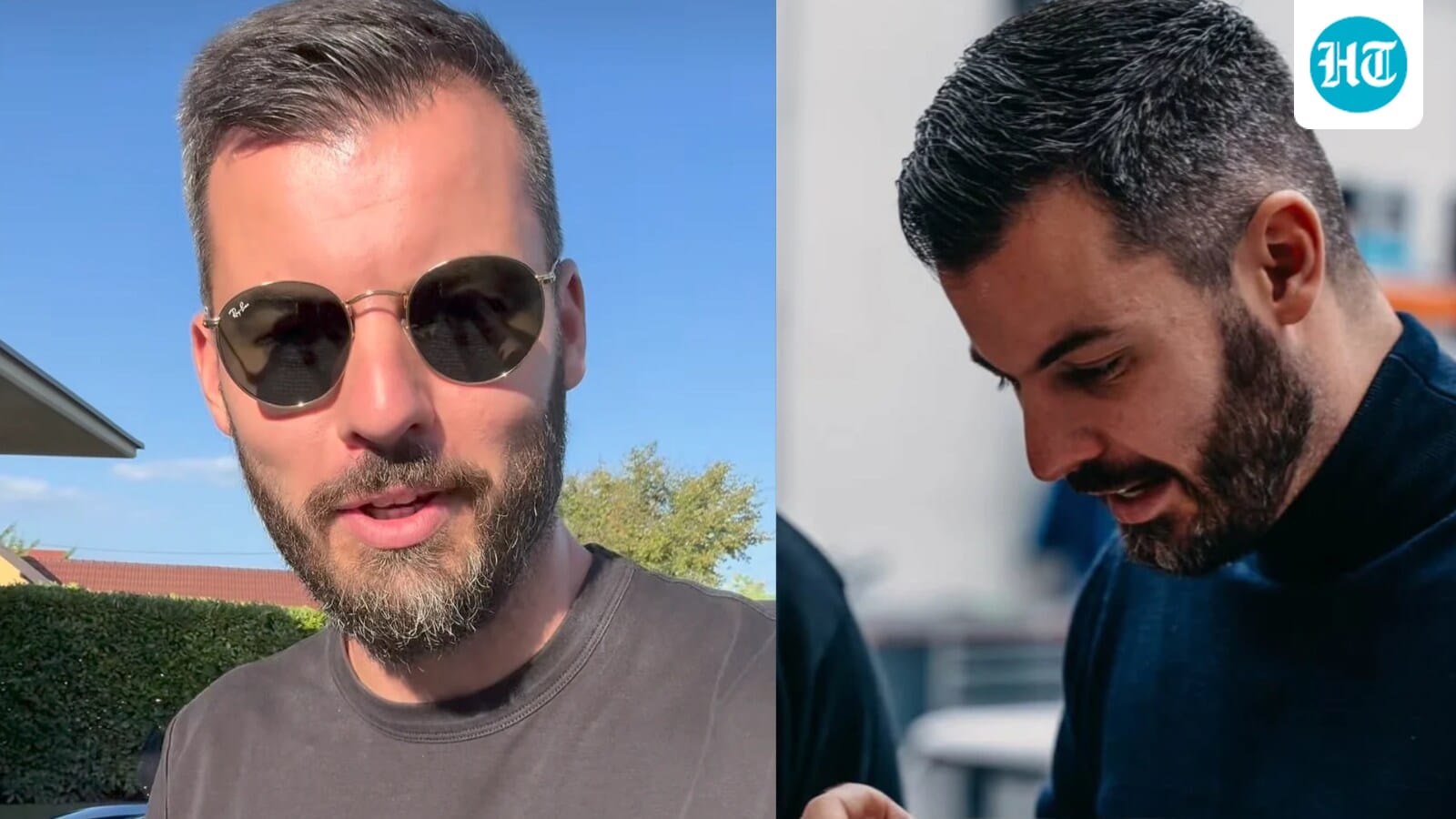
Bugatti CEO Mate Rimac had his multi-million dollar Chiron stolen from a Croatian factory after leaving the keys inside. The perpetrator was apprehended in Austria, prompting Rimac to reconsider his lax security habits.
The High-Stakes Cost of Complacency
In a bizarre intersection of extreme luxury and mundane human error, Bugatti CEO Mate Rimac recently experienced the theft of his own Chiron—a vehicle valued at upwards of $4 million. The incident, which occurred at the company’s factory in Croatia, serves as a stark reminder that even the world’s most sophisticated engineering marvels are not immune to the simplest security failures: leaving the keys inside the vehicle. The perpetrator was eventually apprehended in Austria, bringing a swift end to the brazen theft, but the event has sparked a wider conversation about the intersection of corporate trust and physical security.
The Anatomy of an Unlikely Theft
The theft was characterized by a casual ease that caught the automotive community by surprise. Surveillance footage shared by Rimac depicts an individual in a hooded sweatshirt lingering by the vehicle, finishing a cigarette, before simply entering the unlocked car and driving away. Rimac’s admission that he frequently leaves keys in his cars due to a perceived sense of safety in Croatia highlights a unique corporate culture—one where high-performance vehicles are often moved by various staff members for testing and logistics, leading to a relaxed security posture that ultimately proved to be a critical vulnerability.
Security in the Era of Hypercars
While the Chiron is equipped with cutting-edge technology, it remains reliant on traditional access protocols that, when bypassed, leave the vehicle vulnerable. The incident underscores a broader challenge for luxury manufacturers: balancing a collaborative, accessible work environment with the necessary security protocols required to protect assets worth millions of dollars. As Rimac noted, the theft was only discovered because an outside observer recognized the vehicle being driven by an unauthorized individual, pointing to a reliance on community vigilance rather than internal security systems.
Cultural Context and Global Perception
Rimac’s public reflection on the event highlights his pride in Croatia’s low crime rates, which had fostered a sense of comfort that allowed for such a lapse in judgment. This narrative of a 'safe environment' is often a point of national pride, yet the CEO’s experience serves as a cautionary tale that global luxury assets require global-standard security measures regardless of the local environment. The transition from a relaxed, trusting workplace to one that must now implement stricter key management protocols marks a significant shift in the operational philosophy of the Rimac-led Bugatti team.
Future Implications for Luxury Asset Management
Moving forward, the incident is likely to influence how high-end automotive firms manage their vehicle fleets. The 'expensive lesson' learned by Mate Rimac will almost certainly lead to the adoption of more rigorous, digitized access controls that eliminate the risk of human error associated with physical keys. As the value of hypercars continues to climb, the industry must reconcile the need for operational efficiency with the reality of targeted theft, ensuring that trust is never again mistaken for security. This event will likely be referenced for years to come as the ultimate example of why even the most powerful machines require standard, non-negotiable security protocols.
Verification Required?