Bugatti CEO Mate Rimac says the future of supercars is old-school combustion engines
Source Entity
US Top News and Analysis
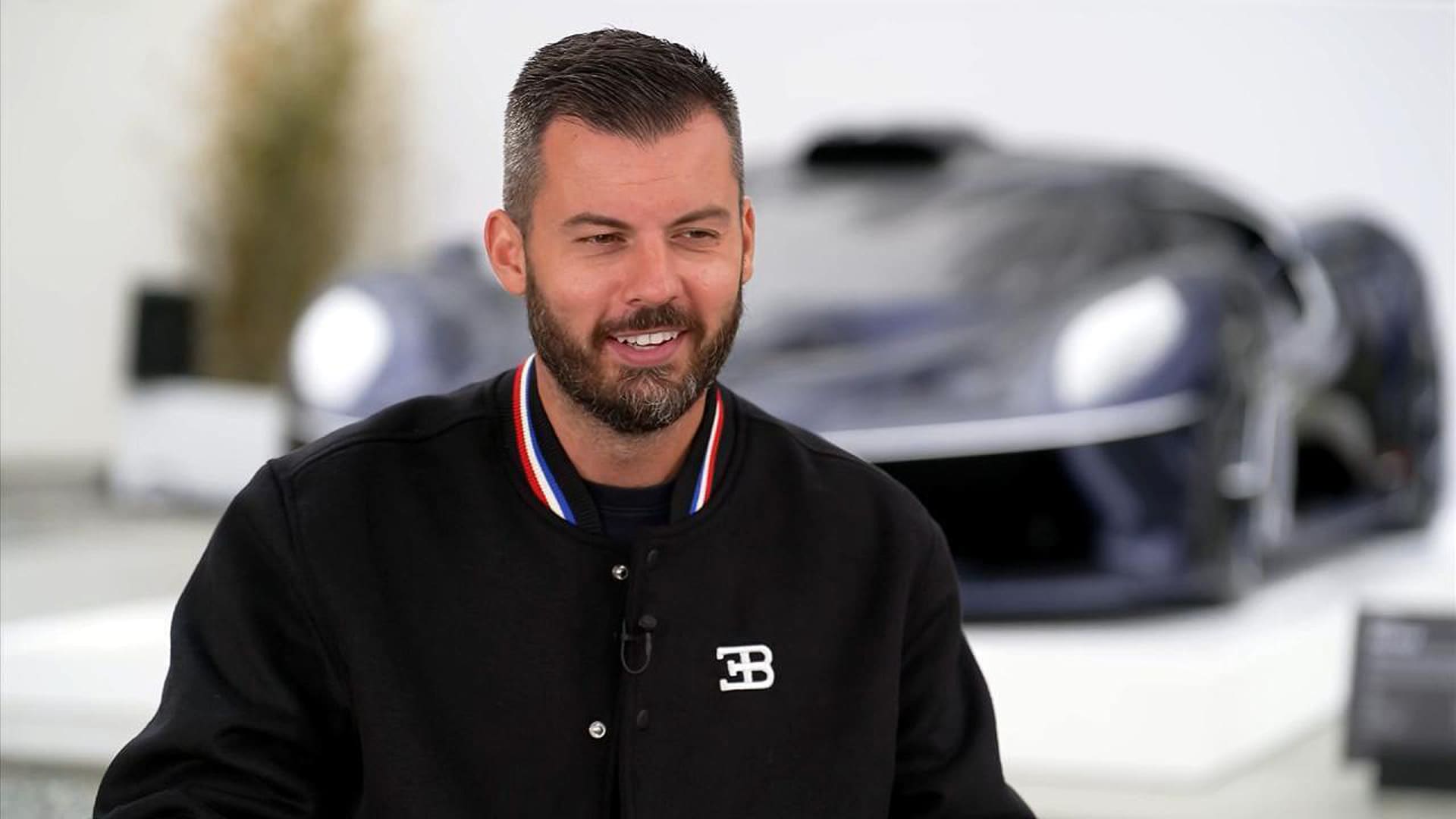
Bugatti CEO Mate Rimac predicts that luxury supercars will retain combustion engines despite the global shift toward electric vehicles. He draws a direct parallel between the high-end automotive market and the Swiss watch industry, where mechanical craftsmanship retains immense value.
The Strategic Pivot of High-End Automotive Engineering
In a recent statement to CNBC, Bugatti CEO Mate Rimac has articulated a distinct vision for the future of the automotive industry, suggesting a fundamental bifurcation in how vehicles will be powered. While the broader automotive landscape is rapidly transitioning toward electrification, Rimac asserts that the ultra-luxury, high-performance segment will remain committed to combustion engine technology for the foreseeable future. This perspective is particularly notable given Rimac’s own background as an EV entrepreneur, signaling that this is a calculated market positioning rather than a rejection of new technology.
The Watch Industry Analogy
To explain this dichotomy, Rimac employs the analogy of the Swiss watch industry. Much like how smartwatches have dominated the mass market by offering superior utility and connectivity, electric vehicles are poised to capture the mainstream consumer base. However, just as mechanical Swiss watches are valued for their intricate engineering, heritage, and prestige rather than their timekeeping accuracy, Rimac argues that hypercars serve a different purpose. For the ultra-wealthy, the combustion engine is becoming a luxury artifact, similar to a high-end mechanical timepiece.
Market Segmentation and Profitability
Rimac highlights that while the majority of the global car market is shifting toward lower-priced, electric alternatives—often imported from manufacturers in China—the profit centers remain in the upper echelons of the luxury market. By maintaining combustion engines in supercars, manufacturers can cater to a demographic that values the visceral experience of traditional engineering. This mirrors the Swiss watch market, where a small percentage of total watch production accounts for the vast majority of industry profits, proving that exclusivity and craftsmanship command higher price points than utility-focused smart devices.
The Future of Luxury Performance
Since taking the helm of Bugatti in 2021, Rimac has navigated the brand through a period of immense industry pressure to decarbonize. His stance suggests that the 'supercar' identity is increasingly tied to the legacy of combustion, even as the regulatory environment for mainstream vehicles tightens. This duality allows Bugatti to differentiate its product offering significantly from mass-market electric vehicles, effectively insulating its customer base from the commoditization occurring elsewhere in the automotive sector.
Broader Implications for the Automotive Industry
This analysis points to a future where the definition of 'performance' is split between the efficiency of electric motors and the emotional connection of combustion engines. While EVs offer superior torque and acceleration for daily drivers, the supercar segment is effectively transitioning into a 'collector's market.' By embracing this role, legacy supercar manufacturers can continue to thrive by focusing on the artistic and mechanical prestige that high-performance combustion engines provide, ensuring their relevance in an increasingly digital and electrified world.