11 Missing After 2 Merchant Ships Struck Off Bulgarian Coast
Source Entity
NDTV News Search Records Found 1000
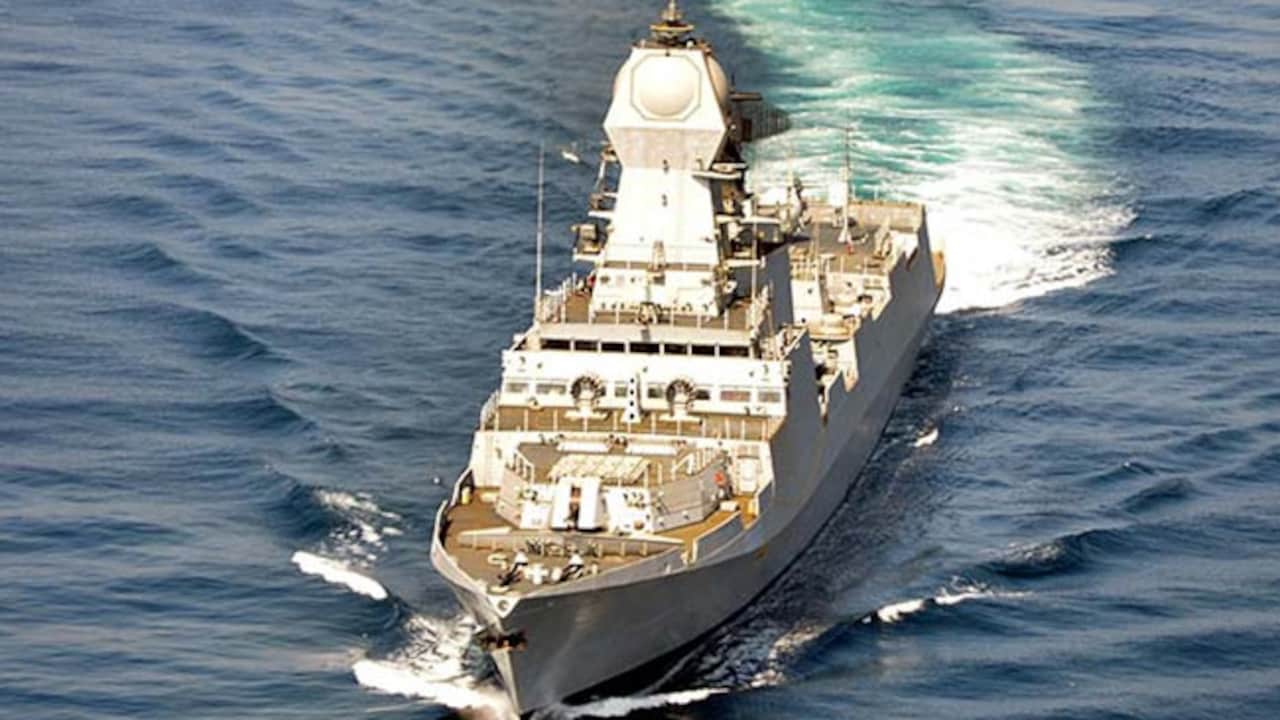
Two merchant ships were sunk or damaged by drone attacks off the Bulgarian coast, prompting Prime Minister Rumen Radev to summon the Russian ambassador. EU leadership has condemned the strikes, which follow a recent pattern of maritime aggression in the Black Sea.
Escalation in the Black Sea: The Bulgarian Maritime Crisis
Recent reports confirm a significant escalation in maritime hostilities off the Bulgarian Black Sea coast, where two merchant vessels were targeted by drone strikes. Bulgarian Prime Minister Rumen Radev has publicly identified Russia as the primary suspect behind these attacks, a conclusion that has led to the formal summoning of the Russian ambassador, Eleonora Mitro. This incident marks a dangerous intensification of conflict in a vital shipping corridor, threatening the safety of international maritime commerce.
Impact on Maritime Safety and Crew Welfare
The human cost of these attacks is severe. One vessel, located 17 nautical miles east of Krapets, ultimately sank, resulting in only one confirmed survivor. A second, Ukrainian-owned ship, struck by three drones 18 nautical miles from Byala, saw all 15 crew members rescued. These events follow a series of similar strikes occurring just one week prior, which included the sinking of the Alfa Watan. The loss of life in that earlier incident—where 10 crew members, including nine Syrians, are presumed dead—highlights the lethality of the current drone deployment tactics against civilian infrastructure.
Geopolitical Ramifications and EU Involvement
The involvement of the European Union, marked by the swift condemnation from EU chief Ursula von der Leyen, underscores the broader geopolitical stakes. By targeting vessels within Bulgaria’s Exclusive Economic Zone (EEZ), the attacks represent an encroachment on the sovereign interests of a NATO and EU member state. Prime Minister Radev’s decision to convene an emergency meeting demonstrates the seriousness with which Sofia views these provocations as a direct challenge to regional stability and the freedom of navigation.
The Shift to Drone Warfare at Sea
These incidents signify a shift in the nature of Black Sea conflict, where aerial and sea-based drones are being utilized to disrupt commercial shipping lanes. The precision and frequency of these strikes suggest a deliberate strategy to exert pressure through the targeting of merchant interests. By hitting vessels in international and exclusive economic waters, the aggressors are effectively weaponizing the maritime supply chain, forcing a reconsideration of safety protocols for all vessels operating in the region.
Future Trends and Regional Security
Looking forward, the persistence of these drone attacks suggests that the Black Sea will remain a volatile theater for the foreseeable future. If these patterns continue, we may see an increase in naval patrols, stricter exclusionary zones, and enhanced international monitoring of the Bulgarian coast. The diplomatic fallout between Sofia and Moscow, initiated by the summoning of the Russian envoy, is likely to deepen, potentially leading to further sanctions or a formal request for increased NATO assistance to secure the maritime borders of its eastern flank.
Conclusion
The sinking of merchant ships off the Bulgarian coast is a critical inflection point in the ongoing maritime tensions. With the loss of life and the continued threat to commercial vessels, the international community faces the challenge of curbing state-sponsored drone aggression. As Bulgaria navigates this crisis, the coordination with EU partners will be paramount in maintaining the integrity of the Black Sea and preventing further loss of life.
Verification Required?