More Republicans come out against Trump's diesel deal with Putin
Source Entity
US Top News and Analysis
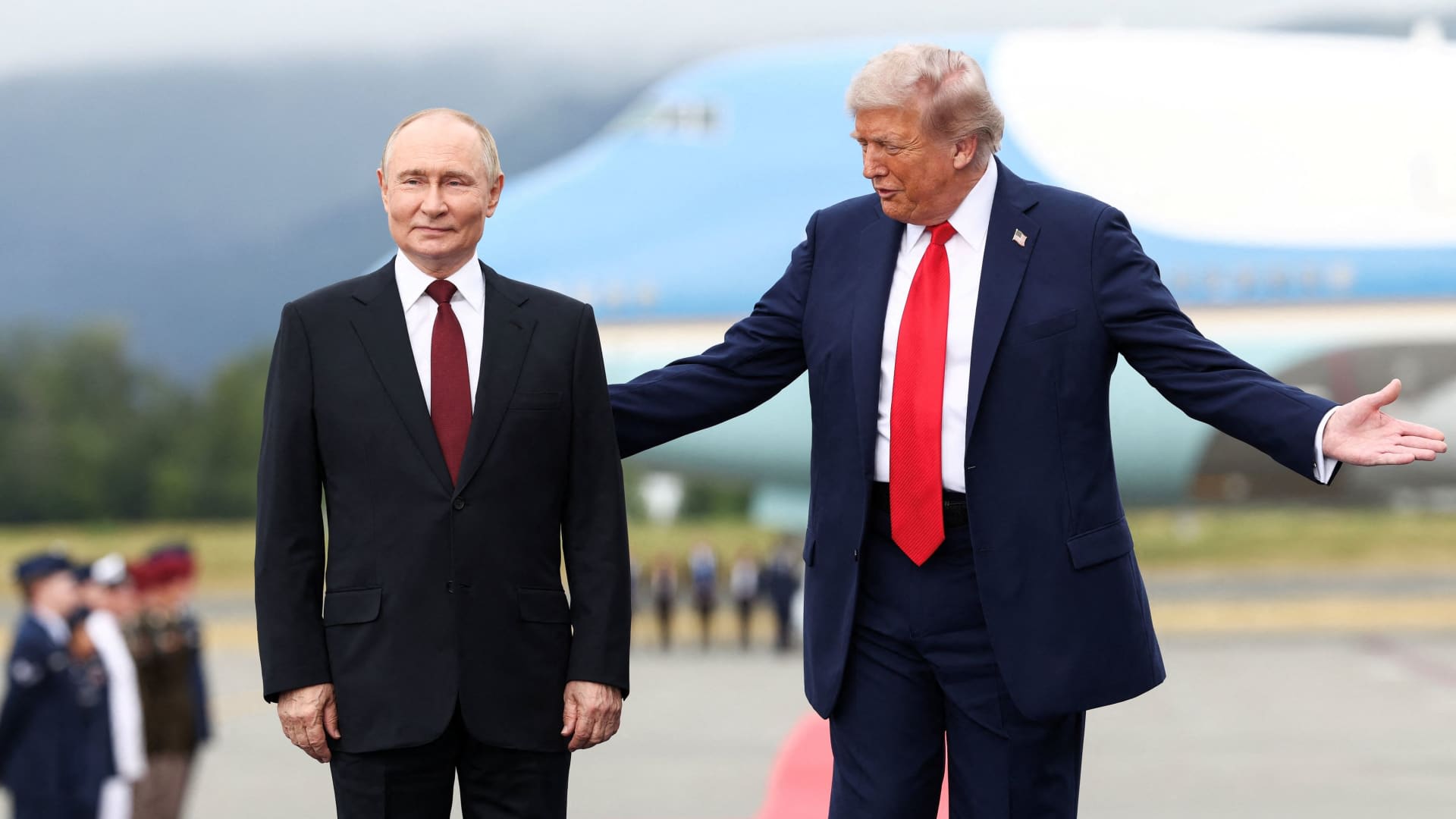
Donald Trump has publicly criticized Ukrainian President Volodymyr Zelenskyy following reports of a U.S. deal to release Russian diesel. The development has sparked a diplomatic rift, with Zelenskyy warning the move could inadvertently fund Moscow's war efforts.
The Growing Diplomatic Schism: Trump, Zelenskyy, and the Russian Diesel Deal
Recent statements from former U.S. President Donald Trump have signaled a significant shift in the discourse surrounding the ongoing conflict in Ukraine. By calling for a leadership change in Kyiv, Trump has moved beyond simple policy disagreement into a direct critique of President Volodymyr Zelenskyy’s governance. This rhetoric follows a contentious debate regarding a reported deal involving the release of Russian diesel into the United States.
The Economic and Geopolitical Friction
The core of this friction lies in the complex intersection of global energy markets and wartime sanctions. The reported agreement to ease curbs on Russian diesel has triggered alarm within the Ukrainian administration. President Zelenskyy has explicitly condemned the move, arguing that facilitating the sale of Russian energy resources provides Moscow with essential capital to sustain its ongoing military offensive. For Kyiv, the financial stability of the Russian state is directly linked to the intensity of the aggression on the front lines.
Trump’s Rhetorical Shift
Trump’s assertion that it is "time for Ukraine to get a new president" underscores a growing divergence between his "America First" foreign policy approach and the current administration’s commitment to supporting the Ukrainian state. By framing the diesel deal as a strategic success, Trump is positioning the transaction as a pragmatic economic necessity for the U.S., effectively dismissing the moral and strategic concerns raised by the Ukrainian government regarding the funding of the Russian war machine.
Implications for U.S.-Ukraine Relations
The public nature of this disagreement suggests a potential hardening of attitudes toward the conflict within U.S. political circles. If the narrative shifts toward prioritizing domestic energy costs over the strict enforcement of anti-Russian sanctions, the collaborative relationship between Washington and Kyiv may face unprecedented strain. This development creates a challenging environment for future diplomatic negotiations and military aid packages.
Future Trends and Strategic Outlook
Looking ahead, this episode highlights the fragility of international coalitions when domestic economic pressures intersect with geopolitical commitments. If the U.S. continues to pursue energy deals that bypass existing sanctions, the international consensus on isolating the Russian economy may fracture further. The outcome of this specific dispute will likely influence how future leadership candidates approach the balance between global security commitments and domestic economic policy.
Conclusion
Ultimately, the tension between Trump’s statements and Zelenskyy’s condemnation reveals a fundamental disagreement on the cost of the war in Ukraine. As the U.S. navigates its energy requirements, the diplomatic fallout from the Russian diesel deal serves as a litmus test for the durability of the current Western alliance against Russian aggression. The call for a new president in Ukraine is not merely political posturing, but a reflection of a deeper, polarizing debate over the direction of American foreign policy.
Multiple Citing Sources