‘Bulli Bai’ auction app case: Engineering student discharged; court says ‘no evidence’
Source Entity
Sadaf Modak
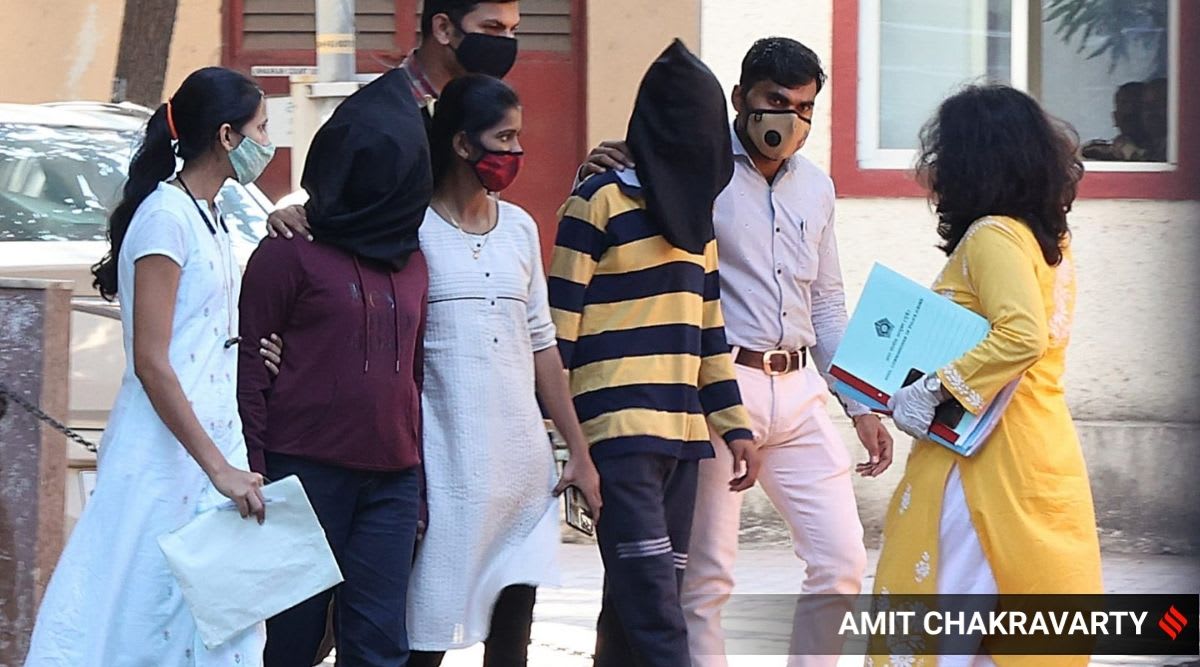
A Mumbai magistrate court has discharged Vishal Jha, a student arrested in the 2022 'Bulli Bai' case, citing a lack of evidence linking him to the app's creation. The court determined that merely following or sharing the app was insufficient to sustain criminal charges.
Legal Developments in the 'Bulli Bai' Case
A Mumbai magistrate court has officially discharged Vishal Jha, a 25-year-old engineering student who was initially arrested in 2022 regarding the controversial 'Bulli Bai' app. The court's decision marks a significant development in a case that sparked widespread national outrage and raised critical questions about digital safety, gender-based harassment, and the limits of cyber-law enforcement in India.
The Charges and Judicial Findings
The 'Bulli Bai' application was widely condemned for its role in hosting mock auctions of Muslim women, utilizing their photographs alongside highly objectionable and dehumanizing commentary. Vishal Jha, who was studying at an engineering institute in Bengaluru at the time of his arrest by Mumbai Police, was the first individual taken into custody. However, the court’s recent order clarifies that the prosecution failed to establish a direct link between Jha and the actual technical creation or management of the application.
Limits of Digital Culpability
During the proceedings, Jha’s legal defense argued that the chargesheet against him rested solely on the allegation that he had shared the app and followed its content on social media platforms. The court’s dismissal of these charges highlights a crucial legal distinction between the passive consumption or dissemination of digital content and the active criminal act of creating or facilitating cyber-harassment platforms. This ruling emphasizes the necessity for concrete evidence when prosecuting individuals under stringent cyber-security laws.
Broader Implications for Cyber-Harassment
The 'Bulli Bai' case serves as a dark reminder of the weaponization of technology to target specific communities. By creating a platform that objectified and auctioned women, the perpetrators sought to intimidate and silence voices through digital violence. While the court has cleared Jha, the case remains a focal point for discussions regarding how law enforcement agencies categorize digital complicity and the challenges of tracking the anonymous creators behind such malicious software.
Future Trends in Digital Accountability
As the digital landscape in India continues to expand, the judiciary is increasingly tasked with interpreting how traditional penal codes apply to modern, decentralized cyber-crimes. This case underscores a trend where courts are meticulously scrutinizing the nexus between digital activity and criminal intent. Future legal frameworks may need to evolve to better delineate the responsibilities of platforms and users in preventing the proliferation of hate-fueled applications.
Conclusion
In summary, the discharge of Vishal Jha underscores the judicial requirement for substantive evidence before labeling an individual as a participant in a crime as serious as the 'Bulli Bai' app creation. While the case highlights the systemic issues of online harassment, it also reinforces the principle that legal accountability must be tethered to proven actions rather than mere digital associations. As the legal system continues to grapple with these issues, the balance between curbing digital hate and ensuring due process remains a critical challenge.