Bumble ditches its rule that kept men from making the first move
Source Entity
Lauren Forristal
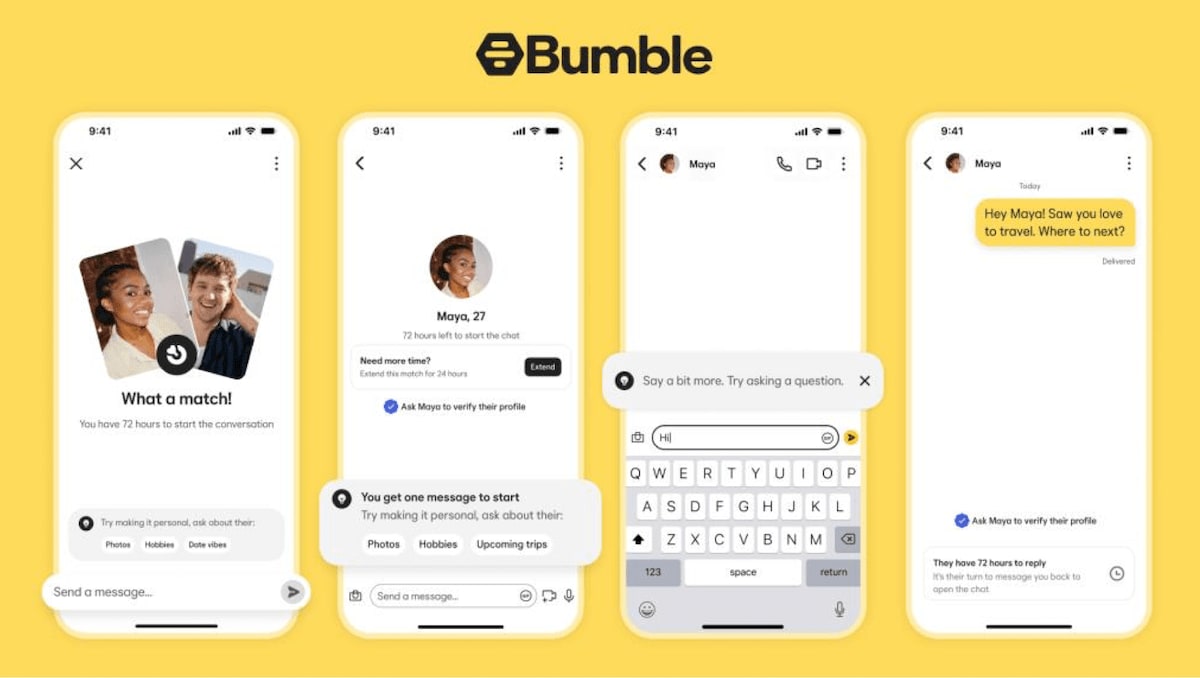
Bumble has officially ended its decade-long 'women-first' requirement, allowing all users to initiate conversations. Additionally, the app has extended the response window from 24 to 72 hours to reduce user pressure.
A Decade of Change: Bumble's Strategic Pivot
Since its inception in 2014, Bumble carved out a unique space in the crowded online dating market by empowering women to make the first move in heterosexual matches. This core feature served as the company’s primary differentiator, designed to combat the negative experiences often associated with traditional dating platforms. However, the company has now announced a global evolution to its signature experience, signaling a departure from its foundational restriction.
Moving Beyond the 'Women-First' Paradigm
The decision to allow anyone to send the first message marks a fundamental shift in how the platform operates. As CEO Whitney Wolfe Herd stated, while the original mandate was a radical idea at the time, the company’s mission was always about designing an experience that prioritizes user needs. By removing the exclusivity of the first move, Bumble is acknowledging that its user base now demands more flexibility, moving away from the rigid structure that defined its early years.
Addressing Modern Dating Fatigue
In addition to the change in messaging initiation, Bumble is extending its response window from 24 hours to 72 hours. This adjustment is a direct response to the 'pressure' users feel when navigating the app. The previous 24-hour limit often forced users to check the application constantly, leading to burnout and unintentional match expirations. This new, more lenient timeline aims to foster a more relaxed environment, potentially increasing the quality of interactions rather than the speed of them.
The Future of Competitive Dating
The dating app industry is notoriously competitive, with platforms constantly iterating to maintain engagement. By relaxing its rules, Bumble is effectively modernizing its brand to remain relevant in a landscape where user preferences are rapidly evolving. This change suggests that the company is prioritizing long-term retention over the brand identity of being 'the app where women message first.'
Broader Implications and User Reception
This evolution represents a significant gamble for a brand built on a specific, recognizable USP (Unique Selling Proposition). While the move provides more flexibility, it risks diluting the very feature that attracted millions of users to the platform initially. Whether this shift will successfully reduce dating pressure or simply erode Bumble’s distinct identity remains to be seen, but it undoubtedly marks the end of an era for the digital dating landscape.