Burundi agrees to receive ‘third-country’ migrant deportees from US
Source Entity
Reuters
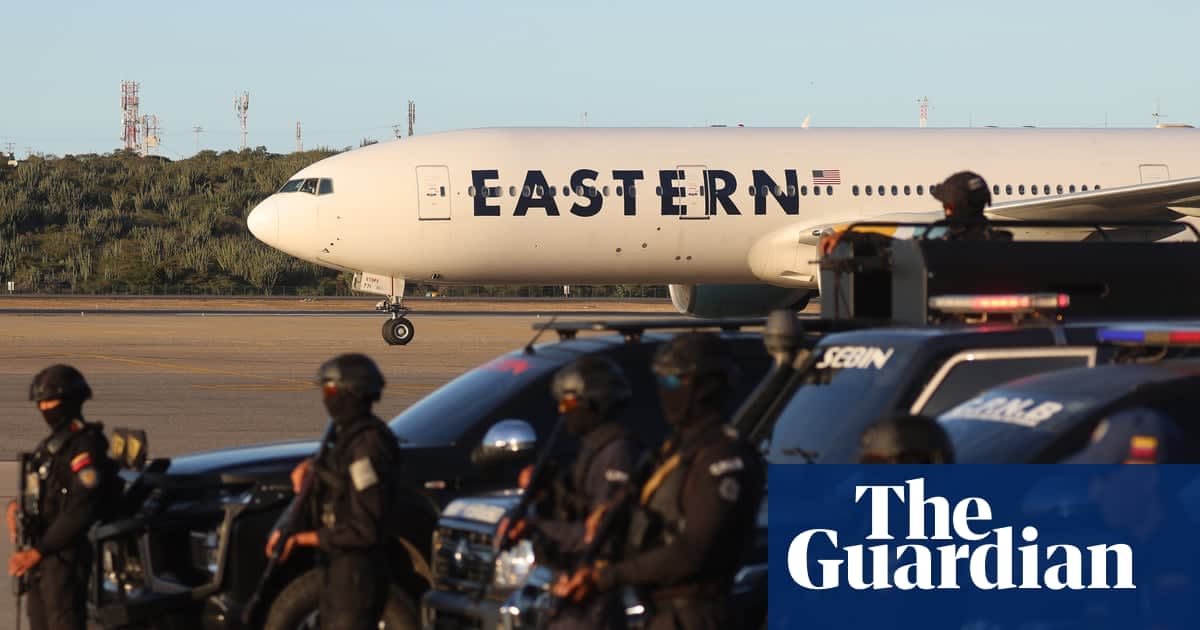
Burundi has agreed to accept third-country migrant deportees from the U.S. under strict conditions excluding those with criminal or terror backgrounds. This move aligns with broader, often opaque, U.S. immigration policies involving third-party nations.
Burundi Joins U.S. Third-Country Deportation Framework
Burundi has officially signaled its intent to join a growing list of African nations participating in the United States' "third-country" deportation program. This policy, which gained significant momentum under Donald Trump’s administration, involves the transfer of migrants to countries with which they often have no prior cultural, linguistic, or historical connection. By agreeing to this arrangement, Burundi positions itself as a key partner in a complex, globalized approach to border enforcement that effectively externalizes the U.S. immigration processing system.
The Constraints of Compliance
While the agreement marks a significant policy pivot for the government of President Évariste Ndayishimiye, it comes with explicit caveats. Nancy Ninette Mutoni, the spokesperson for the president, clarified that Bujumbura will strictly vet incoming deportees. Specifically, Burundi will refuse any individuals accused of criminal activities or links to terrorism. This conditionality reflects a desire by the Burundian government to manage the potential security and social risks associated with hosting an unknown migrant population, though the practical implementation of such vetting remains a logistical question.
The Mechanics of 'Third-Country' Deportation
The practice of sending migrants to 'third countries' is a controversial pillar of contemporary immigration strategy. Unlike traditional deportations, which return an individual to their country of origin, these arrangements involve the relocation of people to nations where they may be complete strangers. Critics argue that this process often results in indefinite detention, as these individuals are moved to environments where they lack support networks, legal standing, or pathways to integration. The lack of transparent, publicly available data regarding the numbers, timing, or financial incentives behind these deals has drawn sharp criticism from U.S. Senate Democrats.
Economic and Political Implications
Senate Democrats have raised concerns regarding the fiscal impact of these opaque agreements, noting that they have already cost tens of millions of dollars. The financial arrangements between the U.S. and these host nations remain largely shrouded in mystery, leading to questions about whether these payments constitute development aid or simply 'deportation fees.' For a nation like Burundi, the potential for an influx of capital may be a significant driver, yet the long-term socioeconomic strain of integrating a population with no ties to the country could prove challenging.
Future Trends and Regional Stability
Looking ahead, the expansion of this program suggests a shift toward a more fragmented international migration system. As the U.S. continues to seek out partners across the African continent to facilitate its 'hardline' immigration goals, the regional stability of host countries could be tested. If the program continues to lack transparency, it risks creating a permanent class of displaced persons who exist in a legal limbo, moving from one country to another without a clear path toward resolution or resettlement. The success or failure of Burundi's participation will likely serve as a litmus test for whether these types of bilateral deals can remain sustainable in the long term.