Thinking of buying a second home in the hills? Here are things to look for
Source Entity
Nilanjan Bhowal
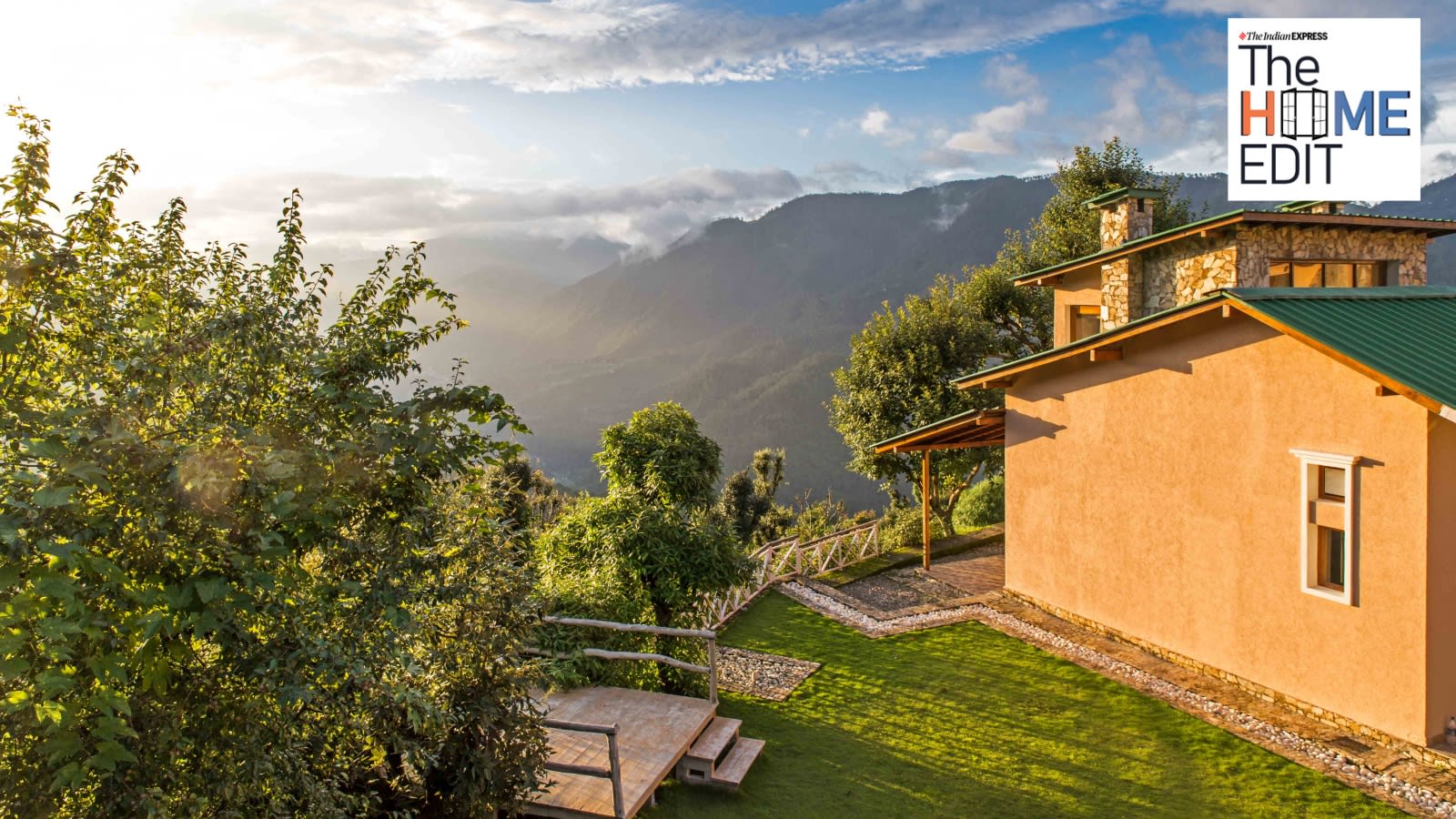
As urban living becomes increasingly challenging, many are seeking refuge in India's hill stations. Expert advice emphasizes careful planning and architectural considerations when investing in secondary properties in these regions.
The Growing Appeal of Mountain Retreats
In recent years, the rapid urbanization of major metropolitan hubs has prompted a significant shift in lifestyle priorities for many professionals and retirees. As urban environments become increasingly characterized by congestion, pollution, and high-stress living, the allure of India’s scenic hill stations—ranging from the tranquil landscapes of Kumaon and Uttarakhand to the verdant expanses of Coorg—has intensified. This trend is not merely a fleeting desire for a vacation home but a fundamental restructuring of how individuals view their primary and secondary residences.
Accessibility as a Catalyst
A pivotal factor driving this migration toward the hills is the vastly improved connectivity across India. Locations that were once considered remote or difficult to access, such as Shimla, Kasauli, or the highlands of Mudumalai, are now increasingly reachable via modernized road and rail networks. This infrastructure development has effectively bridged the gap between the amenities of urban life and the serenity of natural environments, making the prospect of owning a second home in these regions a viable reality for a broader demographic.
Architectural and Design Considerations
Building or buying a property in mountainous terrain presents unique challenges that differ significantly from urban construction. Architect Nilanjan Bhowal, contributing to the 'Home Edit' series, underscores that expertise is essential when navigating the complexities of mountain real estate. From soil stability and slope management to climate-responsive design, the architectural approach must prioritize structural integrity alongside aesthetic integration with the natural surroundings. Prospective buyers are encouraged to consult with professionals who understand the specific topography of these regions.
Strategic Planning for Long-term Value
Investing in a second home is a substantial financial commitment that requires careful foresight. Beyond the initial acquisition, owners must consider the long-term maintenance of properties located in ecosystems that are prone to environmental shifts. Actionable advice from design experts suggests that whether one is renovating an existing structure or building from the ground up, the focus should remain on sustainable practices that ensure the property remains a sanctuary rather than a liability over time.
The Future of Hillside Living
Looking ahead, the trend of moving to the hills is likely to persist as remote work becomes more normalized and the quality of life in cities continues to face scrutiny. However, this growth must be balanced with environmental responsibility. As more individuals seek refuge in these fragile ecosystems, the importance of informed decision-making and sustainable architectural practices will become the cornerstone of successful property ownership in India’s mountainous regions.