Buzz Aldrin sells famous felt-tip pen that helped launch Apollo from the Moon
Source Entity
Robert Pearlman
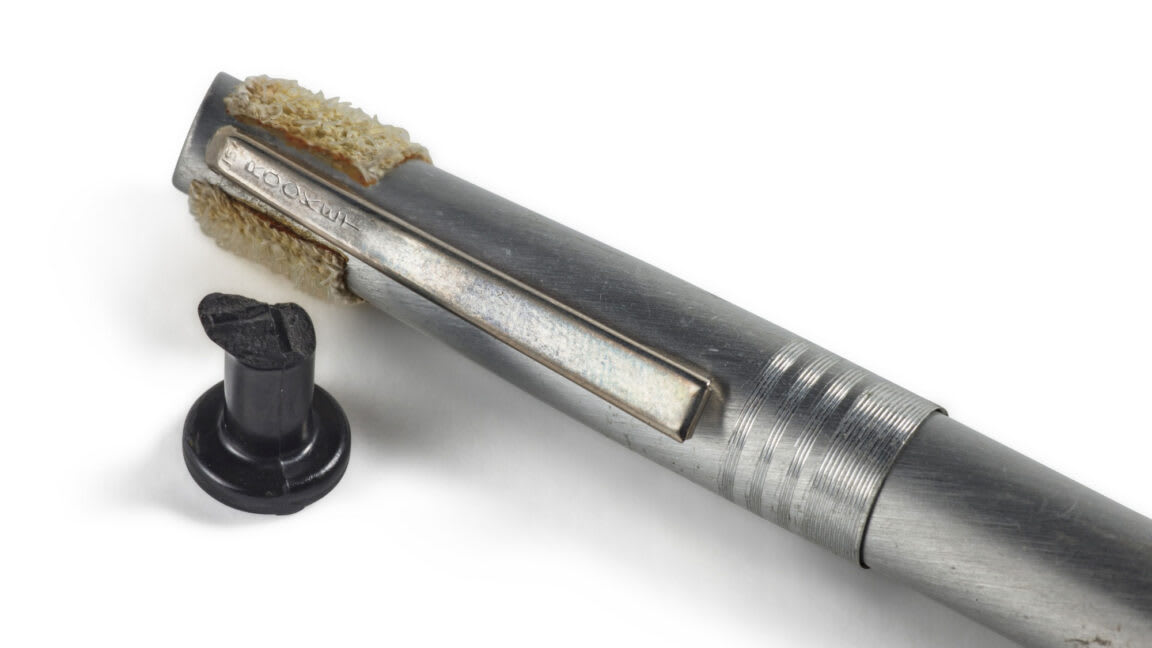
Buzz Aldrin has sold a historic felt-tip pen and a switch used during the Apollo lunar mission, continuing the trend of high-value space memorabilia auctions.
The Legacy of Apollo: Analyzing the Sale of Buzz Aldrin's Lunar Artifacts
In a recent event that captures the enduring public fascination with the early days of space exploration, Apollo 11 astronaut Buzz Aldrin has sold a felt-tip pen and a switch used during the historic lunar mission. While the sale was characterized as "impressive," it notably did not shatter existing auction records for space memorabilia. This event serves as a poignant reminder of the intersection between historical preservation and the commercial market for artifacts from humanity's first steps on another celestial body.
The Technical Significance of Simple Tools
To the casual observer, a felt-tip pen may seem an unremarkable object, but within the context of the Apollo missions, every piece of equipment was subject to rigorous scrutiny. The environment of the Lunar Module (LM) required tools that could function under extreme pressure and temperature fluctuations. The pen used by Aldrin was not merely for notation but represented the critical need for documentation and communication during the most precarious moments of the mission. Similarly, the sale of a "switch"—a physical component of the spacecraft's interface—highlights the tangible nature of the technology that enabled the ascent from the Moon's surface. These items are not just collectibles; they are the physical remnants of the engineering triumphs of the 1960s.
Market Dynamics of Space Memorabilia
The fact that this sale did not break records, despite the prestige of Buzz Aldrin's name, provides an interesting insight into the current state of the space memorabilia market. The market for Apollo-era artifacts is highly stratified. While "hero" items—such as flight suits, lunar samples, or primary mission logs—command astronomical prices, smaller peripheral items often hit a valuation ceiling. This suggests that while there is a deep and consistent demand for authentic lunar artifacts, the most aggressive bidding is reserved for items that had a direct, pivotal impact on the mission's success or those with a high degree of visual iconography.
Historical Context: The Space Race and Human Ambition
To understand the value of these items, one must look back at the geopolitical climate of the 1960s. The Apollo program was the culmination of the Space Race, a period of intense competition between the United States and the Soviet Union. The pressure to land a man on the moon and return him safely to Earth drove unprecedented innovation. When an astronaut sells a tool from that era, they are selling a piece of a Cold War victory and a symbol of human audacity. The felt-tip pen is a relic of a time when the boundaries of possible human achievement were being redrawn in real-time.
Broader Implications for Historical Preservation
This sale raises ongoing questions about the balance between private ownership and public heritage. When significant artifacts move from the hands of the astronauts into private collections, they are often removed from public view. However, the commercialization of these items also ensures their preservation through high-end curation and climate-controlled environments that private collectors can provide. The movement of these objects through auction houses keeps the narrative of the Apollo missions alive for new generations, sparking interest in STEM and the history of science.
Future Trends: The Artemis Era and New Artifacts
Looking forward, the current trend of Apollo memorabilia sales provides a blueprint for what will happen as the Artemis program establishes a permanent human presence on the Moon. As new astronauts venture to the lunar south pole, the items they use—their tablets, specialized tools, and personal effects—will eventually become the "vintage" collectibles of the 21st century. We can predict a shift in the market toward "New Space" artifacts, where the value will be driven not just by the historical firsts of the 1960s, but by the sustainable expansion of humanity into the solar system.
Conclusion
Buzz Aldrin's sale of his Apollo-era pen and switch is more than a simple financial transaction; it is a reflection of our collective nostalgia for the moon landing. While it may not have set a new price record, the event reaffirms the timeless appeal of the Apollo missions. These small objects continue to bridge the gap between the sterile environment of a lunar cockpit and the awe-struck imagination of the general public.