8-0 becomes 8-1: 'Impatient' PV Sindhu falls to cramping Wang Zhi Yi in epic duel
Source Entity
TANUJ LAKHINA
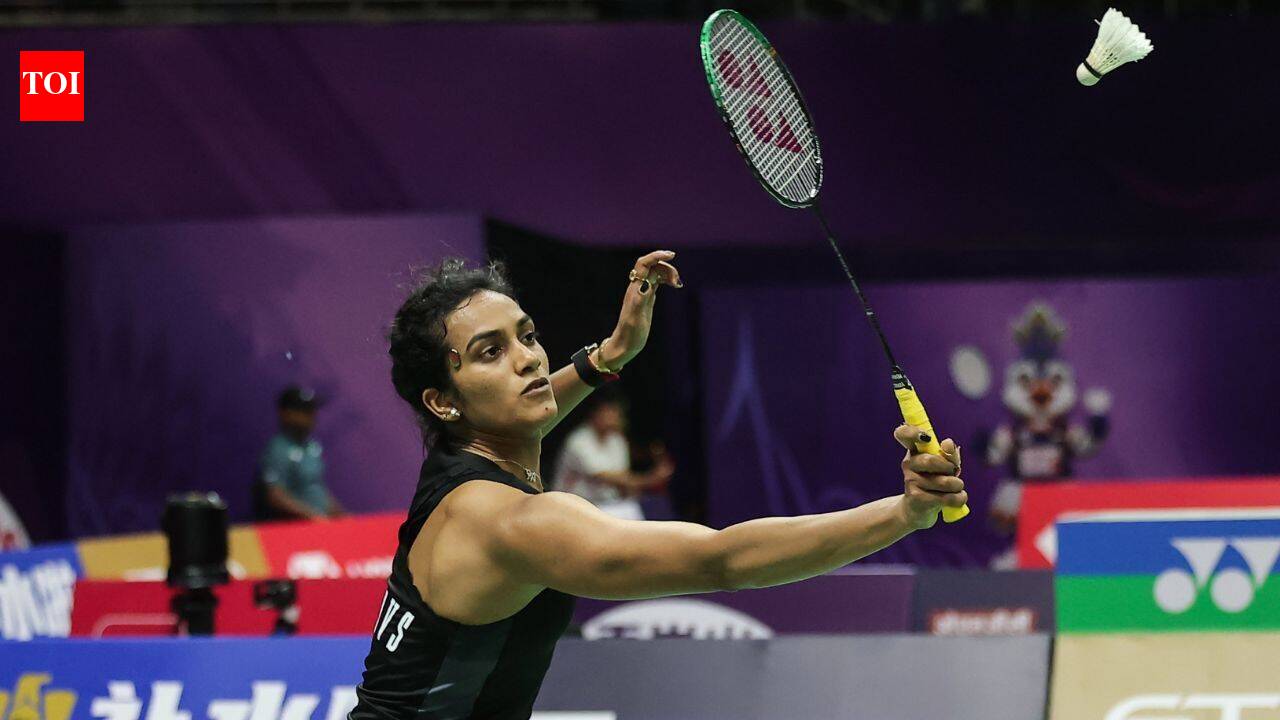
PV Sindhu and Ayush Shetty have advanced to the BWF World Championships pre-quarterfinals following dominant straight-game victories. Meanwhile, India faced setbacks as Lakshya Sen and Unnati Hooda were eliminated in closely contested matches. The tournament, held in New Delhi, continues to see high-stakes competition as players prepare for the next round.
Mixed Fortunes at the 2026 BWF World Championships
The 2026 BWF World Championships in New Delhi have reached a pivotal juncture, marked by a day of contrasting results for the Indian contingent. While seasoned campaigner PV Sindhu and the rising sensation Ayush Shetty cruised into the pre-quarterfinals with clinical efficiency, the tournament also witnessed high-profile exits that underscore the unpredictable nature of elite badminton. The host nation's performance reflects the broader volatility of the sport, where tactical preparation meets the immense pressure of home-ground expectations.
The Rise of Ayush Shetty and PV Sindhu
Ayush Shetty’s trajectory in this tournament has been nothing short of remarkable. Following his stunning upset of the top seed and defending champion, Shi Yu Qi, in the opening round, Shetty maintained his momentum by dismantling Sri Lanka’s Dumindu Abeywickrama in a mere 26 minutes. His ability to dominate the court—building early leads and maintaining focus—suggests a maturity that belies his experience level. Simultaneously, PV Sindhu’s victory over Canada’s Wen Yu Zhang serves as a testament to her enduring quality, ensuring she remains a central figure in the competition as she advances to the round of 16.
The Lakshya Sen Upset: A Tactical Analysis
Perhaps the most significant narrative of the day was the departure of 14th seed Lakshya Sen. Despite his pedigree as a 2021 World Championships bronze medallist, Sen fell to American teenager Garret Tan in a grueling three-set match. The loss, characterized by a 19-21, 21-19, 21-17 scoreline, highlights the effectiveness of Tan’s game plan. By consciously avoiding the front court—an area where Sen typically exerts immense pressure—Tan successfully neutralized the Indian’s aggressive style. This match serves as a classic example of tactical discipline overcoming raw talent, especially when the underdog manages to withstand the intense atmosphere of the Indira Gandhi Indoor Stadium.
Implications of Scheduling and Endurance
In a tournament as physically demanding as the BWF World Championships, the duration of matches often dictates a player’s success in later stages. The contrast between the 61-minute combined time for Sindhu and Shetty and the marathon 102-minute battle between Anders Antonsen and Nhat Nguyen highlights the strategic importance of winning in straight games. For Sindhu, who now faces the daunting challenge of World No. 3 Wang Zhi Yi, the ability to conserve energy during the early rounds is critical. While Wang holds a 5-3 head-to-head advantage, Sindhu’s previous victory over her at last year’s championships provides a blueprint for how she might navigate this difficult encounter.
Future Trends and Competitive Landscape
As the tournament progresses, the focus shifts toward the ability of players to recover from both physical fatigue and psychological setbacks. The exit of players like Lakshya Sen and Unnati Hooda—who also lost a narrow contest to Michelle Li—shows that the gap between established stars and emerging international talent is narrowing. The presence of young players like Garret Tan suggests a shift in the global badminton landscape, where tactical awareness and mental resilience in the face of crowd pressure are becoming as vital as technical skill. The upcoming pre-quarterfinal matches will undoubtedly test whether the remaining Indian contingent can adapt to these evolving competitive standards.
Multiple Citing Sources