At least 30 killed in massive fire as fuel tanker crashes on Cairo highway
Source Entity
BBC News
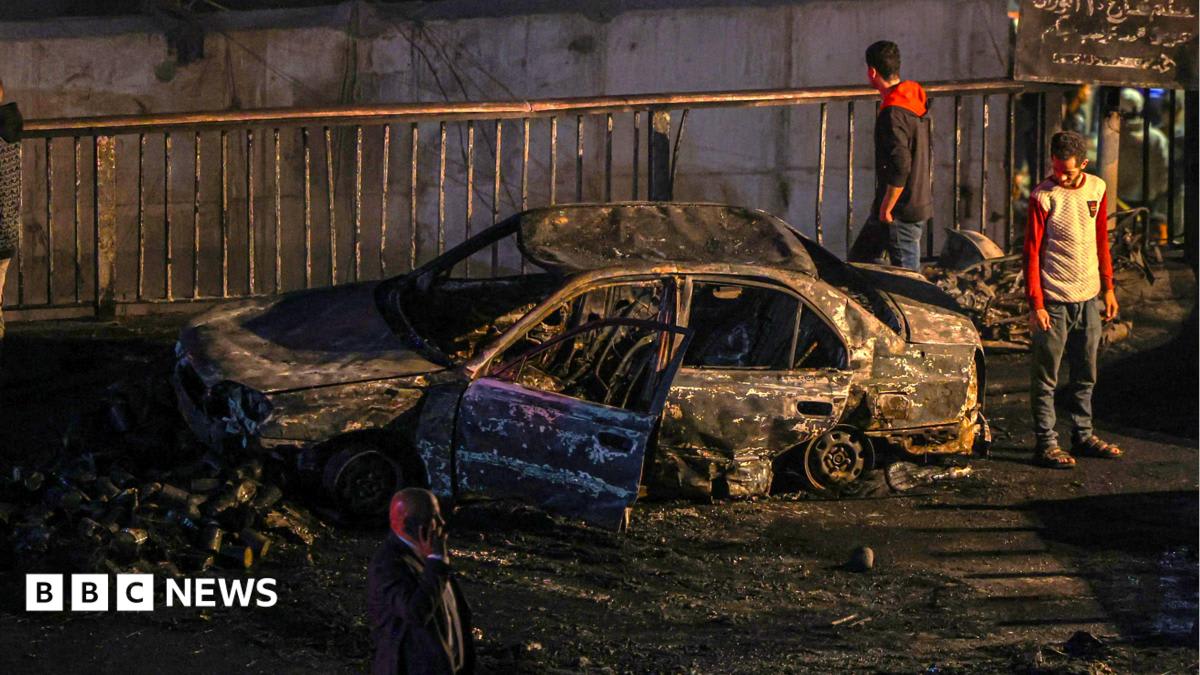
A fuel tanker overturned on a major ring road in Cairo's Al-Warraq district, resulting in at least 30 deaths and 15 injuries. The incident has reignited urgent discussions regarding road safety standards and infrastructure management in Egypt.
Tragedy on the Ring Road: A Detailed Analysis of the Cairo Fuel Tanker Disaster
On a Wednesday that turned catastrophic, a major thoroughfare in Greater Cairo became the site of a horrific accident. A vehicle transporting petroleum products overturned on a busy ring road, triggering a massive fire that claimed the lives of at least 30 people and left 15 others injured. The incident occurred in the Al-Warraq district of Giza, specifically breaking out above a tunnel, which likely exacerbated the intensity and danger of the blaze for those in the immediate vicinity.
The Infrastructure of Greater Cairo
The Ring Road is a vital artery for Egypt’s capital region, serving as the primary connection point between the governorates of Cairo, Giza, and Qalyubia. By linking these densely populated areas, it facilitates the movement of millions of people and essential goods daily. However, the concentration of heavy industrial traffic, such as fuel tankers, alongside high-volume commuter traffic on these arterial roads creates significant risks. When a specialized vehicle carrying flammable cargo suffers a mechanical failure or driver error, the consequences in such a congested environment are predictably devastating.
Challenges in Road Safety
This incident serves as a grim reminder of the persistent road safety challenges faced by Egypt. While authorities have worked to modernize infrastructure, road accidents remain a frequent occurrence. Factors such as speeding, inadequate vehicle maintenance, and inconsistent enforcement of traffic regulations continue to plague the transport sector. The fact that this tragedy occurred on a major highway underscores the urgent need for stricter oversight of hazardous material transport and improved emergency response protocols for high-density transit zones.
Emergency Response and Containment
Following the initial ignition, emergency services were mobilized to the Al-Warraq district to combat the inferno. State media and health ministry officials confirmed that firefighters were eventually able to bring the blaze under control, preventing further casualties. The rapid response was critical in ensuring that the 15 injured individuals could be transported for medical care, though the sheer scale of the fire, fueled by petroleum products, made the initial impact unavoidable.
Broader Implications and Future Trends
Looking ahead, this disaster will likely catalyze a national conversation regarding the regulation of fuel transport within urban centers. Experts suggest that to prevent future tragedies, the Egyptian government may need to implement stricter transit hours for hazardous materials, mandate enhanced safety inspections for tanker fleets, and invest in better fire-suppression systems specifically designed for highway tunnels and elevated roads. Without a comprehensive overhaul of how hazardous goods are moved through densely populated areas, the risk of similar high-fatality events remains a significant concern for the region's urban planning authorities.