Scandal, satire, freedom of press: India’s first newspaper, now online
Source Entity
KRISHNENDU BANDYOPADHYAY
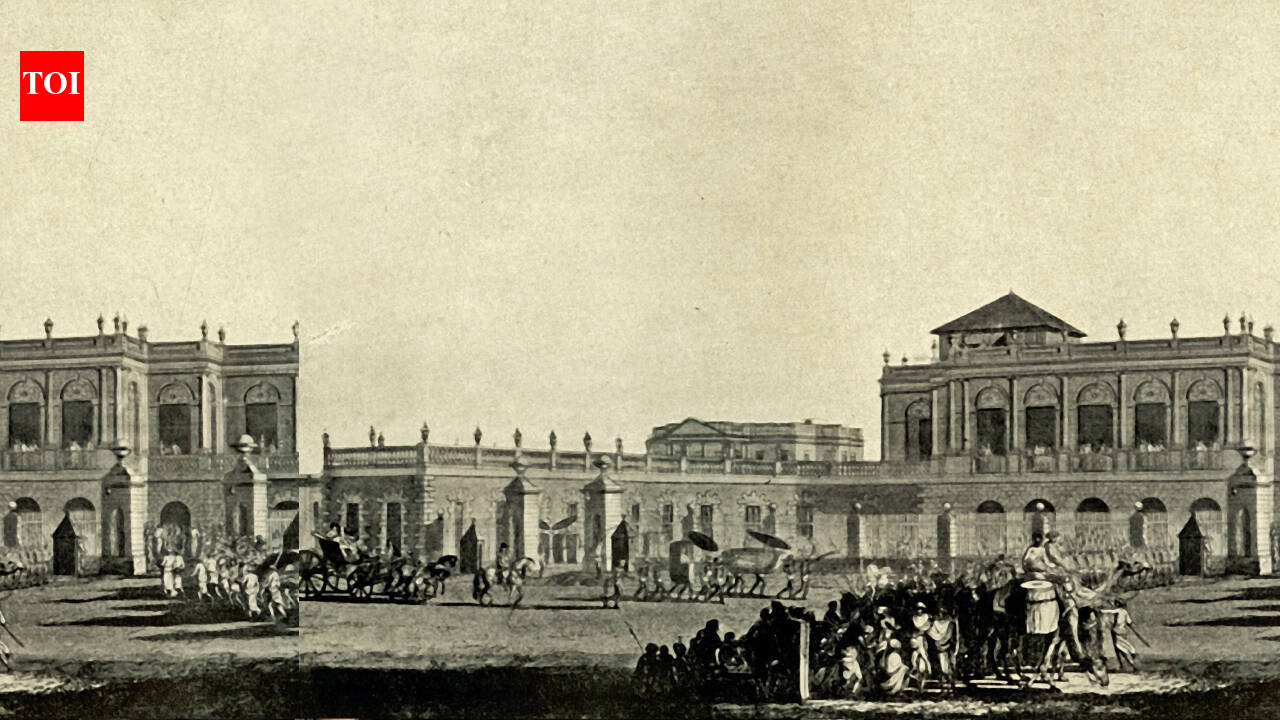
Historian Andrew Otis has launched a digital archive of Hicky's Bengal Gazette, India's first newspaper, which famously challenged colonial authority in 18th-century Calcutta. The project preserves 464 pages of original reporting, documenting the paper's history of satire, dissent, and its editor's battle for press freedom.
The Resurrection of Hicky’s Bengal Gazette
A Digital Archive for Colonial History
After 246 years of fragmentation, the surviving pages of Hicky’s Bengal Gazette—India's first newspaper—have been meticulously reunited through a digital archive. American historian Andrew Otis has successfully aggregated 121 issues and a prospectus, totaling 464 pages, sourced from archives across five different countries. By launching hickysgazette.com, Otis has transformed what was once a scattered collection of colonial-era ephemera into a cohesive, accessible window into the socio-political landscape of 18th-century Calcutta.
The Birth of Press Freedom in India
Hicky’s Bengal Gazette was more than just a periodical; it was a radical experiment in journalism that emerged amidst the rigid hierarchy of the British East India Company. James Augustus Hicky, the editor, utilized his publication to advocate for the freedom of the press, a concept that was largely unheard of in the colonial administration of the time. The newspaper served as a precursor to modern investigative journalism, courageously challenging the status quo and positioning itself as a vital, if disruptive, voice in the public sphere.
Chronicles of Colonial Calcutta
Beyond its political stance, the newspaper offers a granular look at life in colonial Calcutta. The pages contain a diverse array of content, ranging from the mundane to the scandalous. Readers can find advertisements for fashionable goods alongside chilling records of the period, including advertisements for the sale of enslaved people. These artifacts provide a stark, unvarnished look at the economic and moral realities of the bazaars and bungalows of the era, offering historians invaluable primary source material.
Mockery and Retribution
Known for its biting wit, the Gazette frequently targeted the most powerful colonial officials, using satire to dismantle their authority. This habit of mocking the mighty led to significant backlash, including an alleged assassination attempt on Hicky and eventual legal persecution. The intensity of the colonial administration's response—ranging from postal bans to the imprisonment of the editor—illustrates the immense threat that a free, critical press posed to the colonial project.
Enduring Legacy and Impact
The digitisation of these 464 pages ensures that the story of Hicky’s defiance is not lost to time. By preserving these records, the project highlights the historical roots of journalistic dissent in India. As we look back at the 18th-century struggle for the right to criticize authority, the Gazette serves as a foundational text for understanding the evolution of media freedom. This digital collection allows modern scholars and the public alike to engage with the complexities of colonial history, ensuring that Hicky’s legacy of courage continues to inform contemporary discourse on the role of the media in society.