Calcutta HC dismisses ISF's plea challenging EC's reassignment of 'envelope' poll symbol to another party
Source Entity
India Latest News: Top National Headlines Today & Breaking News | The Hindu
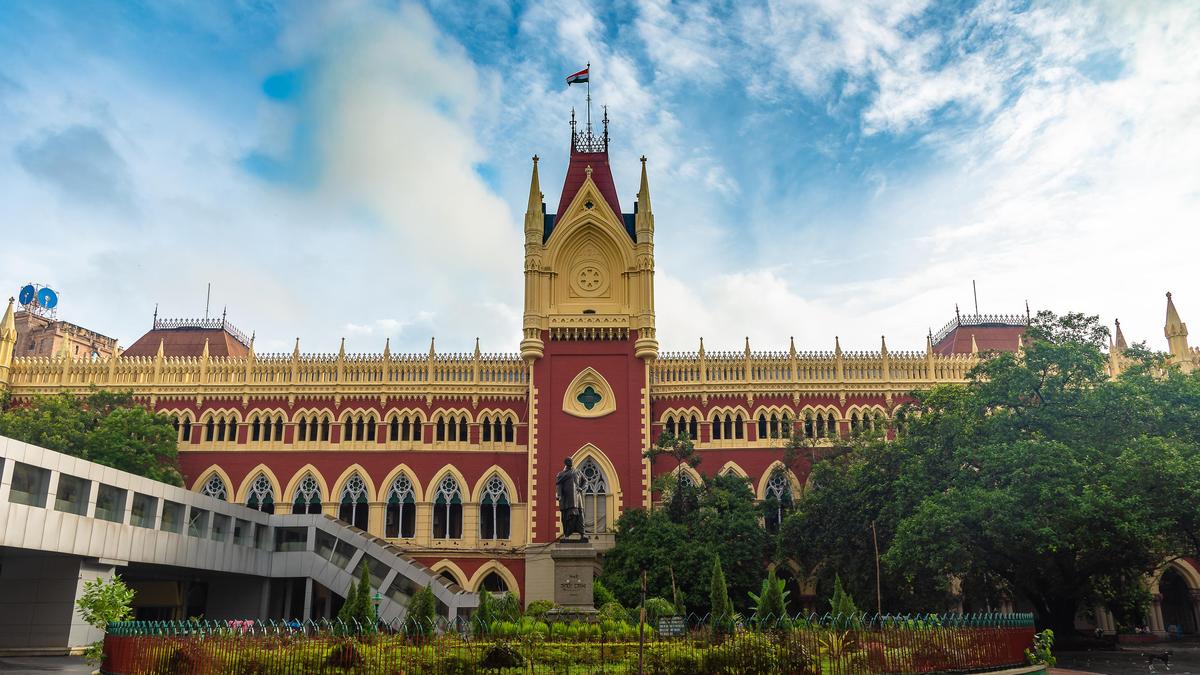
The Calcutta High Court has dismissed the Indian Secular Front's petition challenging the Election Commission's decision to reassign their former 'envelope' poll symbol to the Democratic Trinamool Congress. Consequently, the DTMC will utilize the symbol for the upcoming October 6 by-elections, while the ISF has been assigned the 'almirah' symbol.
Calcutta High Court Ruling on Election Symbols
On Wednesday, September 30, 2026, the Calcutta High Court reached a definitive verdict regarding an electoral dispute that has significant implications for political identity in West Bengal. Justice Krishna Rao dismissed a petition filed by the Indian Secular Front (ISF), led by Nawsad Siddiqui, which sought to challenge the Election Commission’s (EC) decision to reallocate the 'envelope' poll symbol to the newly formed Democratic Trinamool Congress (DTMC).
The Legal Contention
The ISF’s grievance stemmed from their history with the 'envelope' symbol, which they had utilized in both the 2024 Lok Sabha elections and the 2026 assembly elections. The party argued that the EC’s decision to assign this symbol to the Ritabrata Banerjee-led DTMC was an unreasonable exercise of power and requested that the symbol be frozen entirely. The ISF maintained that the symbol was intrinsically linked to their party's brand and voter recognition.
Election Commission's Discretion
The Election Commission, acting within its mandate to regulate political parties and symbols, had instead allotted the 'almirah' symbol to the ISF. By dismissing the petition, the Calcutta High Court has effectively upheld the EC's authority to manage symbol allocation. This ruling reinforces the precedent that political symbols are not permanent property and are subject to regulatory reassignment based on the Commission's administrative protocols.
Impact on the Nandigram By-Election
This judicial outcome has immediate practical consequences for the upcoming by-polls scheduled for October 6. The DTMC will now proceed to contest the Nandigram Assembly by-election using the 'envelope' symbol. For the ISF, the transition to the 'almirah' symbol represents a tactical challenge, as the party must now pivot its voter mobilization efforts to ensure that their constituents recognize the new symbol in a very short timeframe.
Broader Political Implications
The dispute highlights the critical importance of brand recognition in Indian electoral politics. For smaller or emerging parties, a familiar symbol is often the primary vehicle for communicating with the electorate, especially in regions with varying levels of voter literacy. The court’s decision to prioritize the EC’s regulatory framework over the ISF’s claim of continuity underscores the limits of party claims over electoral iconography.
Future Trends in Symbol Disputes
As the political landscape in West Bengal continues to evolve with the emergence of new entities like the DTMC, disputes over symbols are likely to persist. The judiciary's stance in this case suggests a trend of deference toward the Election Commission's administrative autonomy. Moving forward, political parties will need to navigate the complexities of the EC’s symbol allotment rules with greater caution, knowing that judicial intervention is unlikely to overturn institutional decisions regarding electoral logistics.
Verification Required?