Thousands of lightning strikes trigger fresh wildfires in western Canada
Source Entity
Reuters in Toronto
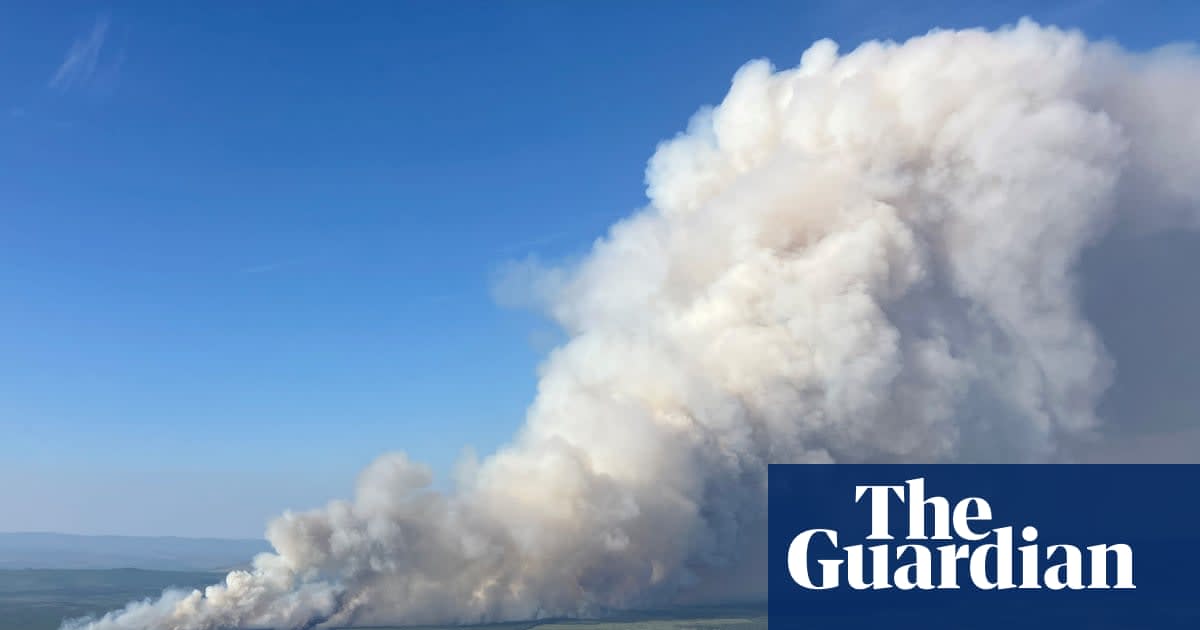
Canada is facing an unprecedented wildfire season, with over 900 active blazes fueled by extreme weather and thousands of lightning strikes. The fires have forced mass evacuations and created air quality issues that reach across international borders.
Canada Faces Unprecedented Wildfire Crisis
Canada is currently enduring one of the most intense wildfire seasons on record, characterized by a massive surge in active blazes across the country. Recent reports indicate that more than 900 wildfires are currently burning, having already scorched approximately 3 million hectares of land. The situation is particularly dire in the Northwest Territories and Ontario, where many fires remain out of control, threatening local communities and ecosystems.
The Role of Extreme Weather and Lightning
The ignition of these fires has been exacerbated by a volatile combination of extreme heat and dry conditions. A significant contributing factor has been the recent surge in meteorological activity, with nearly 34,000 lightning strikes recorded over the past week alone. These strikes have served as a catalyst for new fires in western Canada, specifically in southern British Columbia, where authorities have issued at least 25 evacuation orders in response to the 90 active wildfires currently threatening the region.
Challenges for Firefighting Efforts
Incident commanders, such as Hugh Murdoch, who is overseeing a cluster of fires near Kimberley, have expressed deep concern regarding the lack of favorable weather conditions. With no relief expected from natural precipitation in the immediate forecast, firefighting crews are struggling to contain the spread. The prevailing hot and dry climate is creating a feedback loop, as warming conditions continue to dry out forest floors, making them increasingly susceptible to further ignition and rapid growth.
Transboundary Environmental Impact
The implications of these wildfires extend far beyond Canadian borders. The massive scale of the burning vegetation has released significant amounts of smoke into the atmosphere, which has been carried by prevailing winds into the United States and even across the Atlantic Ocean to Northern Europe. This has resulted in widespread reports of poor air quality, highlighting the global environmental impact of the current North American fire season.
Future Trends and Climatic Context
As North America enters the peak of its fire season, the risk of further blazes remains exceptionally high. The situation in Canada is part of a broader, concerning pattern of extreme weather events observed globally, as evidenced by record-breaking temperatures elsewhere, such as in Salta, Argentina. The persistence of these conditions suggests that the intensity of wildfire seasons may continue to challenge emergency management infrastructure, necessitating a shift in how authorities prepare for and mitigate the risks posed by a changing climate.
Multiple Citing Sources